7 Maneiras de Vivenciar Miami Como um Local em Duas Rodas
Feb 12, 2026
Tags:guide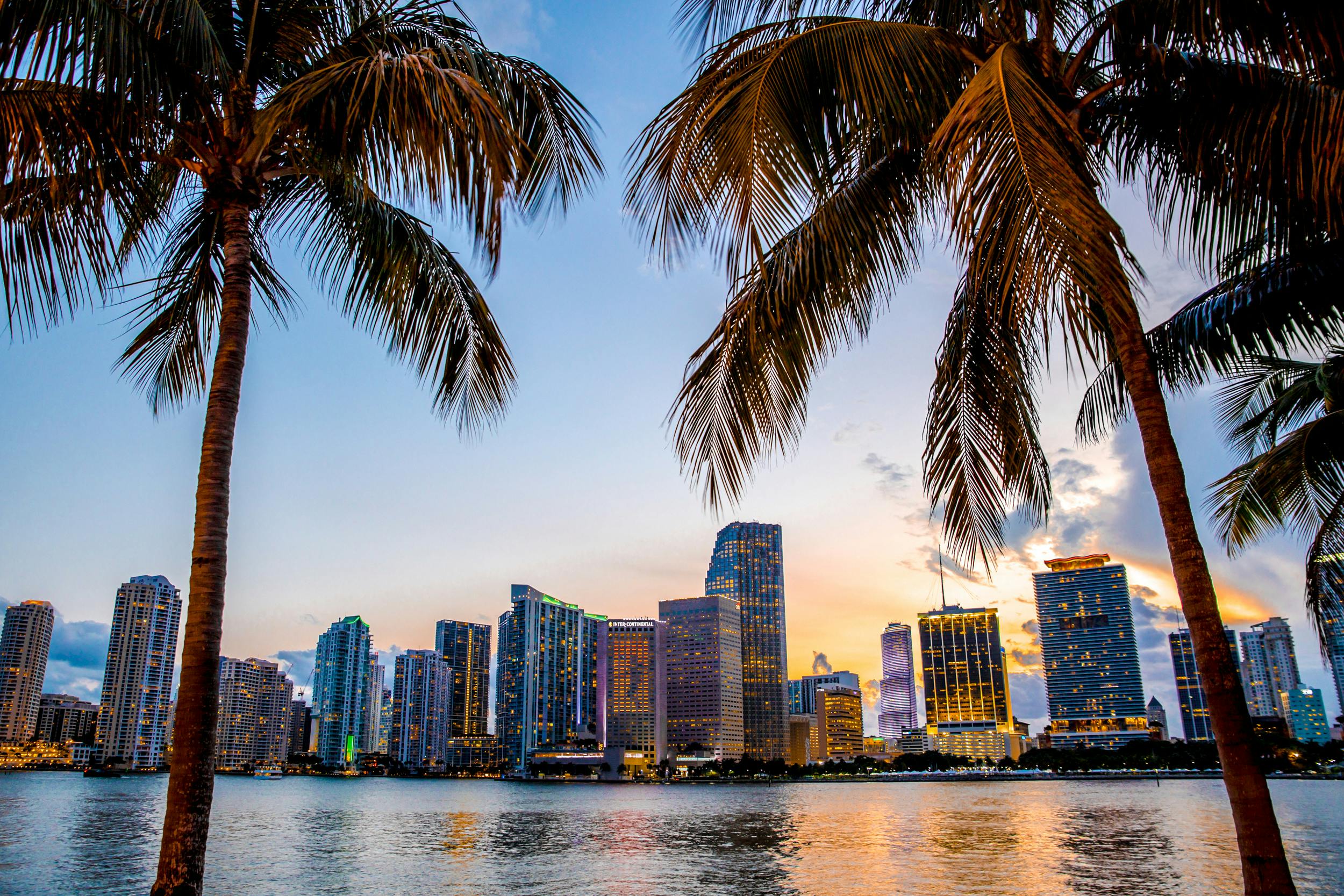
Quando a maioria das pessoas visita Miami, elas acabam fazendo o mesmo circuito: South Beach, Ocean Drive, talvez uma foto nas Wynwood Walls, e depois voltando para o hotel. E esses lugares são bons, mas representam uma visão bem limitada de uma cidade que tem muito mais acontecendo do que a versão orientada ao turista sugere. A experiência local real em Miami está espalhada por bairros que a maioria dos visitantes nunca alcança, construída em torno de rotinas matinais e ruas secundárias e o tipo de comida que existe porque alguma família está fazendo da mesma maneira há 50 anos.
Uma pesquisa da YouGov em 2025 descobriu que 56% dos americanos prefeririam passar tempo em locais menos conhecidos do que enfrentar multidões nos lugares mais populares. Em Miami, uma motocicleta é uma das melhores maneiras de encontrar esses pontos, já que os bairros que valem a visita não ficam lado a lado, o trânsito é consistentemente ruim e a maioria das atrações não está em nenhum tour organizado.
Então, qual é a melhor forma de explorar Miami se você quiser a versão onde os moradores realmente vivem? Aqui estão sete experiências que vão além do roteiro padrão e que, por acaso, são melhores de duas rodas.
Capturar um Nascer do Sol nos Everglades na Route 41
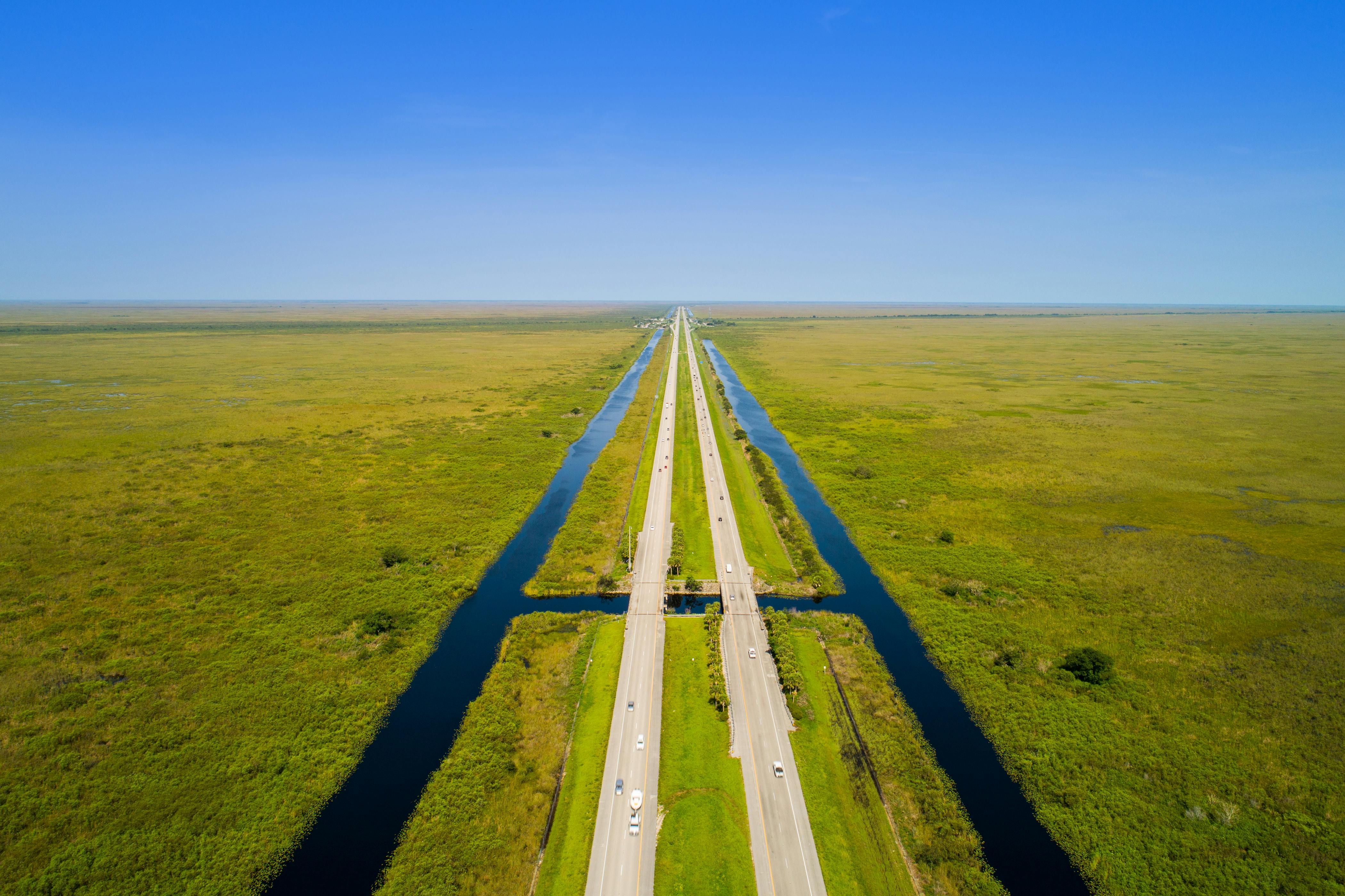
O que os moradores locais fazem em Miami quando querem sair da cidade por algumas horas? Muitos deles vão para o oeste. Os Everglades é um santuário selvagem subtropical de 1,5 milhão de acres que começa logo além dos subúrbios ocidentais de Miami, um dos únicos três Sítios Patrimoniais Mundiais da UNESCO em Flórida e lar de mais de 360 espécies de pássaros, 300 espécies de peixes e 50 espécies de répteis. A maioria dos visitantes ou pula esta atração ou aparece no meio da tarde para um passeio de arboat, o que significa que as horas da manhã pertencem quase inteiramente aos moradores locais e à vida selvagem.
A Rota
US-41 (Tamiami Trail) corre para oeste de Miami até o Everglades National Park, cobrindo cerca de 40 milhas até Shark Valley. Esta rota de motocicleta do Everglades é melhor antes das 8h da manhã, quando os jacarés estão fora ao longo das margens e as aves vadeadoras estão ativas nos pântanos em torno de Shark Valley. Comece antes das 6h30 se puder, e traga água, porque o calor aumenta rápido depois das 9h e quase não há nada lá depois que você passa os subúrbios.
Onde parar
- Centro de Visitantes da Shark Valley: Uma trilha em circuito de 24 km com uma torre de observação de 20 metros no ponto médio, oferecendo algumas das melhores oportunidades de observação de vida selvagem do parque. Você pode percorrê-la a pé, de bicicleta ou de um bonde guiado.
- Village de Miccosukee: Um centro cultural operado pela Tribo Miccosukee de Indígenas da Flórida, com artesanato feito à mão, comida tradicional e passeios em botes aéreos geridos pela tribo
- Coopertown Airboats: Operado por família desde 1945, tornando-o uma das operações de airboat mais antigas no Everglades
2. Explore a Arte Urbana de Wynwood Para Além das Paredes
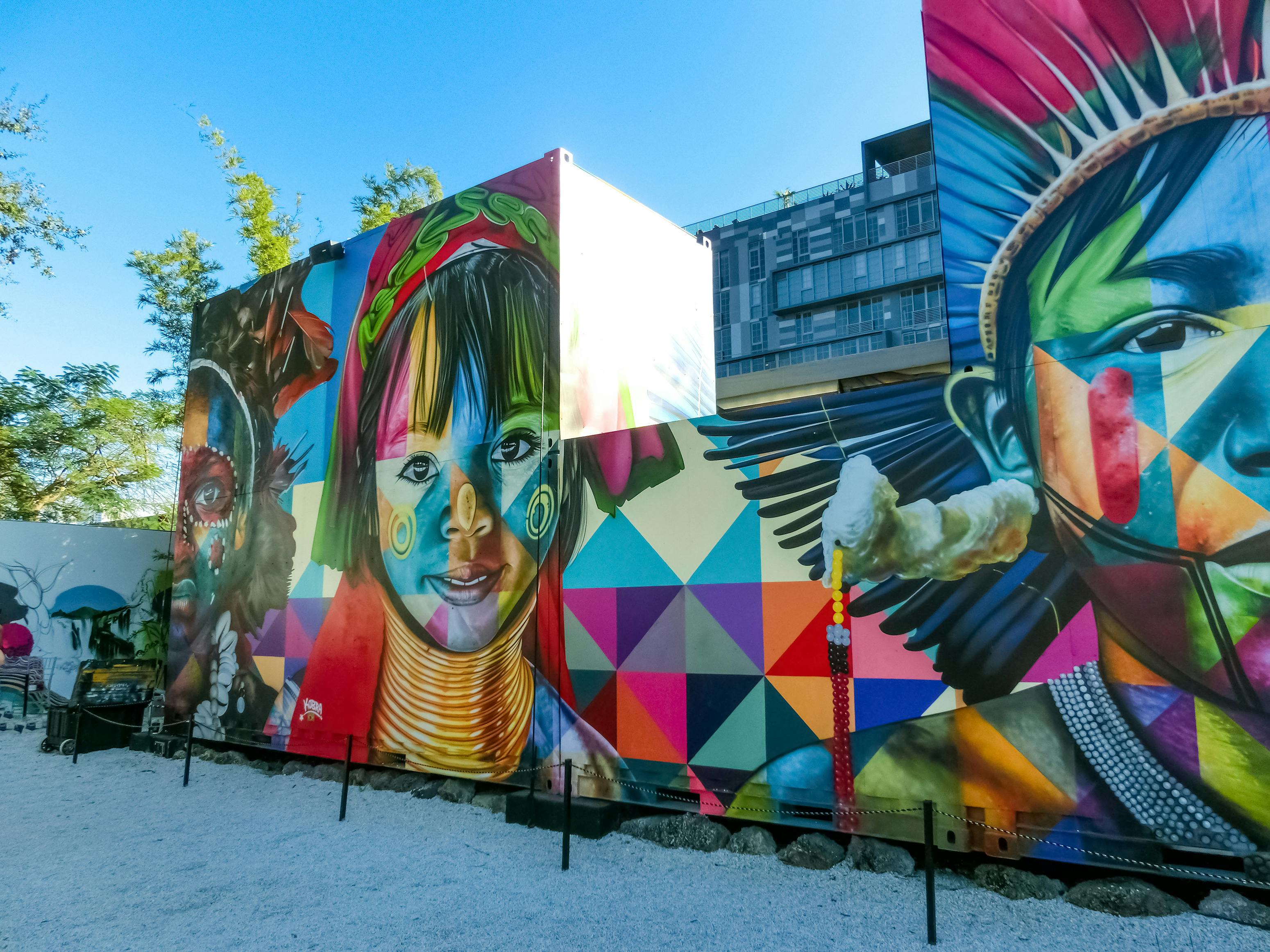
Wynwood cobre aproximadamente 50 quarteirões ao norte do centro de Miami, e o bairro se transformou em uma das maiores coleções de arte urbana ao ar livre do mundo. Os Wynwood Walls atraem a maior parte do tráfego pedestre, mas ocupam apenas cerca de um quarteirão e meio de um distrito que se estende da NW 20th à NW 29th Street. Em uma motocicleta, você pode cobrir todo o bairro e entrar nas ruas laterais onde há parte do trabalho mais interessante, sem gastar 20 minutos procurando vaga de estacionamento.
A Rota
O centro do distrito corre entre NW 20th e NW 29th Streets, de NW 2nd Avenue a NW 5th Avenue. Os murais mudam à medida que artistas locais e internacionais passam por aí, então o que você vê em um passeio de moto por Wynwood neste mês pode ter desaparecido no próximo. As manhãs de dias de semana antes das 10h são o melhor horário, já que o tráfego de pedestres nos fins de semana ao redor dos Walls aumenta rapidamente e o estacionamento (mesmo para uma motocicleta) fica apertado a partir da tarde de sábado.
Onde Parar
- Museum of Graffiti: O primeiro museu do mundo dedicado ao graffiti como forma de arte, com exposições rotativas e uma parede externa curada que muda sazonalmente
- Panther Coffee: Um torrador nascido em Miami que está no bairro desde antes da maioria das galerias se mudarem. Um dos pontos de encontro originais de Wynwood.
- La Fama: Um restaurante cubano que antecede o auge artístico, e que ainda serve o mesmo menu com os mesmos preços enquanto a maioria do bairro circundante se transformou.
3. Passeio por Little Havana para Cafecito e Cultura
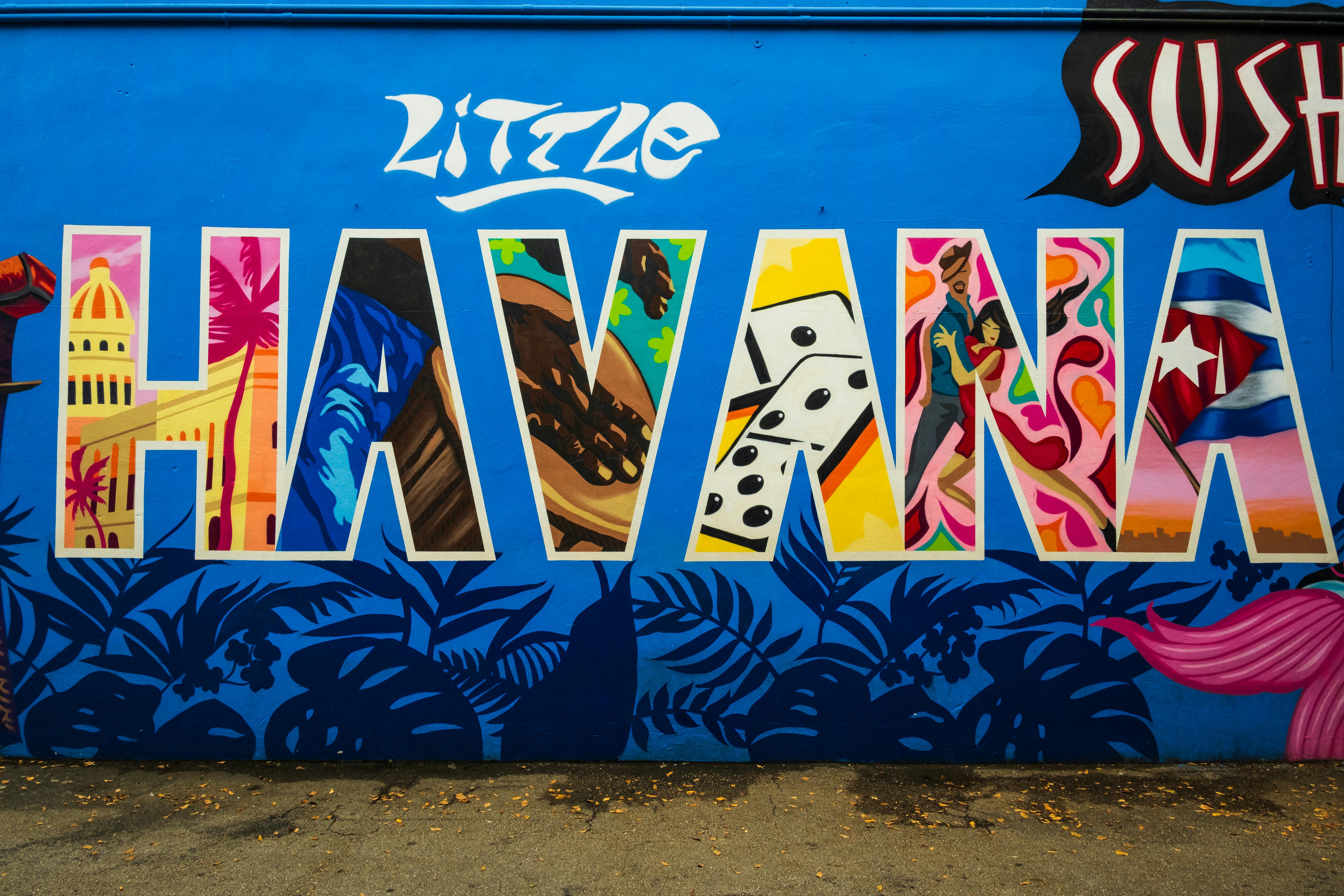
Little Havana corre a oeste do centro de Miami, ao longo da Calle Ocho (SW 8th Street), e tem sido o centro cultural da comunidade cubana da cidade desde que exilados começaram a se estabelecer aqui nos anos 1960. O National Trust for Historic Preservation nomeou-o um Tesouro Nacional em 2017, e ainda funciona como um bairro ativo, e não como algo planejado para visitantes. É isso que torna o passeio por Little Havana uma das coisas mais autênticas que você pode fazer na cidade, e uma boa maneira de entender a experiência autêntica de Miami além do que a maioria dos roteiros turísticos cobre.
A Rota
The main cultural corridor runs along SW 8th Street between 12th and 17th Avenues, about five minutes from downtown. The tradition here is the ventanita, a small walk-up window where locals order cafecito, catch up on the day, and keep moving. On a motorcycle, you can work the strip the same way: pull up, order a colada (a sweetened espresso that comes with small plastic cups for sharing), and ride to the next one. Some of the smaller windows are cash-only.
Where to Stop
- Versailles Restaurant: Open since 1971, and widely considered the most famous Cuban restaurant in the country. The ventanita out front is the center of Miami's cafecito culture.
- El Exquisito: Family-run since 1974, serving traditional Cuban dishes like vaca frita and ropa vieja in a dining room that hasn't changed much since it opened
- Los Pinareños Fruteria: An open-air fruit market and ventanita with fresh-squeezed tropical juices. The place has looked more or less the same for 30 years.
- Azucar Ice Cream Company: Cuban-inspired flavors like Abuela Maria, which layers guava, cream cheese, and Maria cookies into a single scoop
- Domino Park: Officially Máximo Gómez Park, where locals have been gathering to play dominoes since the 1970s. Open daily, and you can watch from the edges.
4. Cross the Rickenbacker Causeway to Key Biscayne
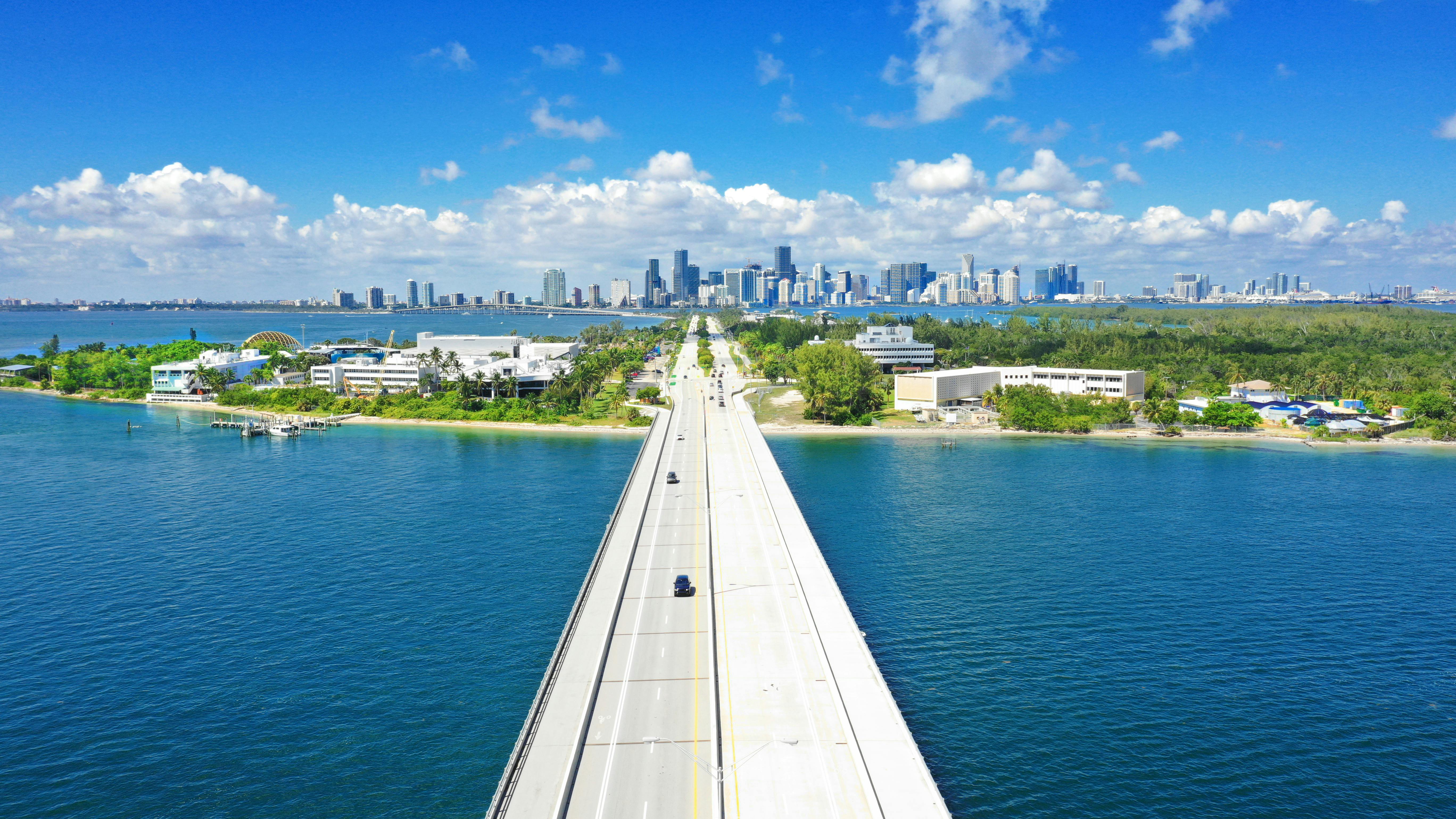
The Rickenbacker Causeway is a bridge that connects Brickell to Virginia Key and Key Biscayne, crossing Biscayne Bay about two miles south of downtown. It's one of those hidden gems in Miami that locals use all the time but that most visitors never think about. The bridge rises high enough to give you open views of the skyline, the bay, and the Atlantic all at once, and once you're across, Key Biscayne operates at a completely different pace than the rest of the city. The full loop from Brickell to the southern tip of the island and back is about 16 miles.
The Route
The causeway starts at the edge of Brickell and crosses the bay with a gradual climb before dropping onto Virginia Key. From there, Crandon Boulevard runs the length of Key Biscayne with parks and beaches on both sides. The toll is around $2.25 for motorcycles, and it gets windy at the top of the bridge. Early weekday mornings are the lightest traffic, and if you time it right, the sunrise from the top of the causeway is one of the better views in the city.
Where to Stop
- Bill Baggs Cape Florida State Park: At the southern tip of Key Biscayne, home to the Cape Florida Lighthouse, built in 1825 and the oldest standing structure in Miami-Dade County
- Crandon Park Beach: A mile and a half of shoreline consistently ranked among the best beaches in the country, with calm water and significantly less foot traffic than South Beach
- Boater's Grill (inside Bill Baggs): A waterfront restaurant right on the beach, open for lunch and serving fresh seafood with a view of the lighthouse
5. Take a Night Cruise Through the Art Deco District
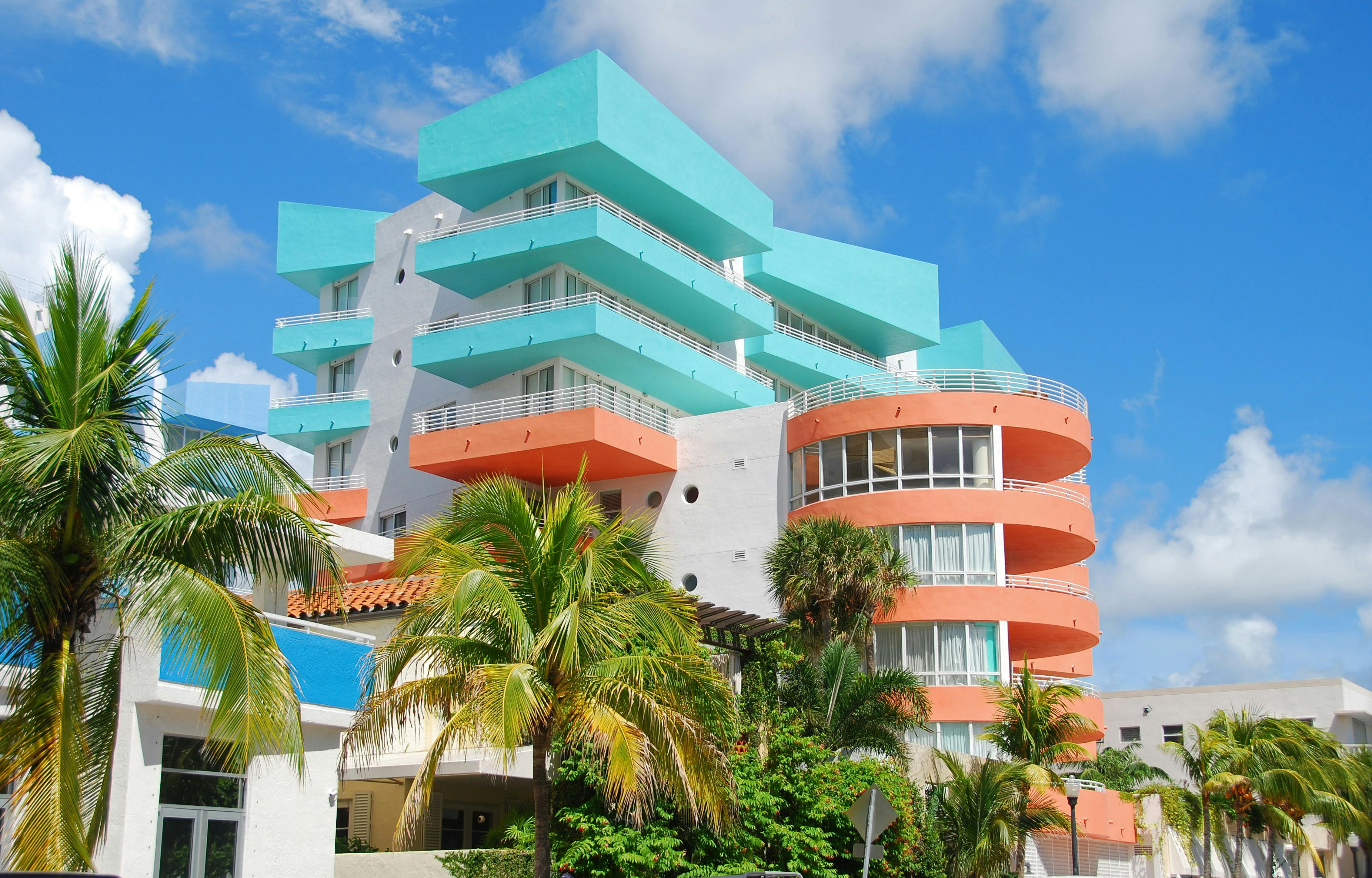
Miami Beach's Art Deco Historic District holds the largest collection of Art Deco architecture in the world, with over 800 buildings constructed between the 1920s and 1940s. During the day, the area is crowded and the buildings tend to blend into the general South Beach activity. At night, the original neon signs light up and you can actually see what makes the architecture here worth preserving. The district was nearly demolished in the 1970s before a landmark preservation campaign saved it, and each building's neon was part of the original design, meaning they were always meant to be seen after dark.
The Route
Start on Ocean Drive around 5th Street and ride north to 15th. Loop to Collins Avenue heading south, then cut west to Washington Avenue for a different feel. The full circuit is about three miles at a slow pace. Weeknights between 8 and 10 p.m. are the best window. Weekend nights during peak season are bumper-to-bumper on Ocean Drive.
Where to Stop
- The Colony Hotel: Built in 1935, one of the most recognizable Art Deco buildings in the world. The blue neon sign is visible from several blocks away after dark.
- The Carlyle: Built in 1941, featured in Scarface and The Birdcage. The facade details are easier to appreciate at night without the daytime crowd in the way.
- Mac's Club Deuce: A dive bar that's been open since 1964, one of the few remaining spots on South Beach that still pulls a mostly local crowd
- Art Deco Welcome Center: Located in the restored 1950s Oceanfront Auditorium, with exhibits on the district's history and the preservation campaign that kept it from being torn down
6. Head South to Homestead for Local Seafood
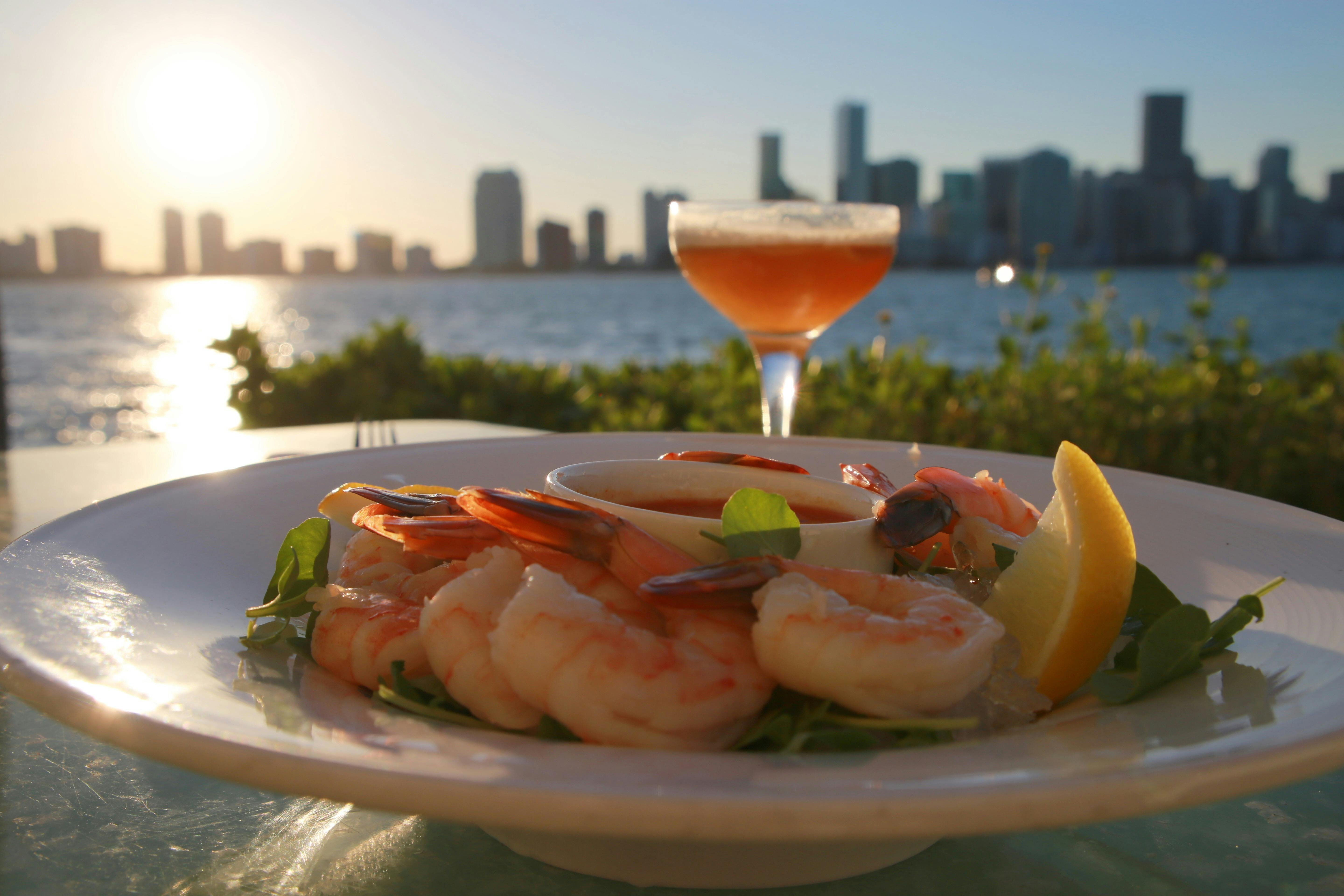
Homestead sits about 45 minutes south of downtown Miami at the intersection of US-1 and the road to Everglades National Park. It's an agricultural community at the top of the Florida Keys fishing corridor, surrounded by tropical fruit farms and nurseries. The restaurants here work with fish that was caught that morning and charge accordingly, which is to say, a lot less than anything in the tourist-heavy parts of the city. If you're wondering what are the hidden gems of Miami when it comes to food, the answer is further south than most visitors think to look.
The Route
US-1 south past Cutler Bay. Once the development thins out and the farmland starts, you're in a different part of South Florida. From Homestead, you're also 10 minutes from the Everglades entrance and 30 minutes from Key Largo, which makes this a good starting point for longer Miami motorcycle routes.
Where to Stop
- Robert Is Here: Known for exotic fruit milkshakes made with nothing but fresh fruit and milk. (Bonus: there’s a free area with goats, tortoises, and emus).
- FreshCo Fish Market and Grill: Family-run, sourcing directly from commercial fishing docks in the Florida Keys.
- Black Point Ocean Grill (at Black Point Marina): Waterfront dining where the seafood comes off the boats next door.
- Farmers Market Restaurant: A Homestead staple that fills up with regulars for locally sourced comfort food.
7. Explore the Tree-Lined Streets of Coral Gables
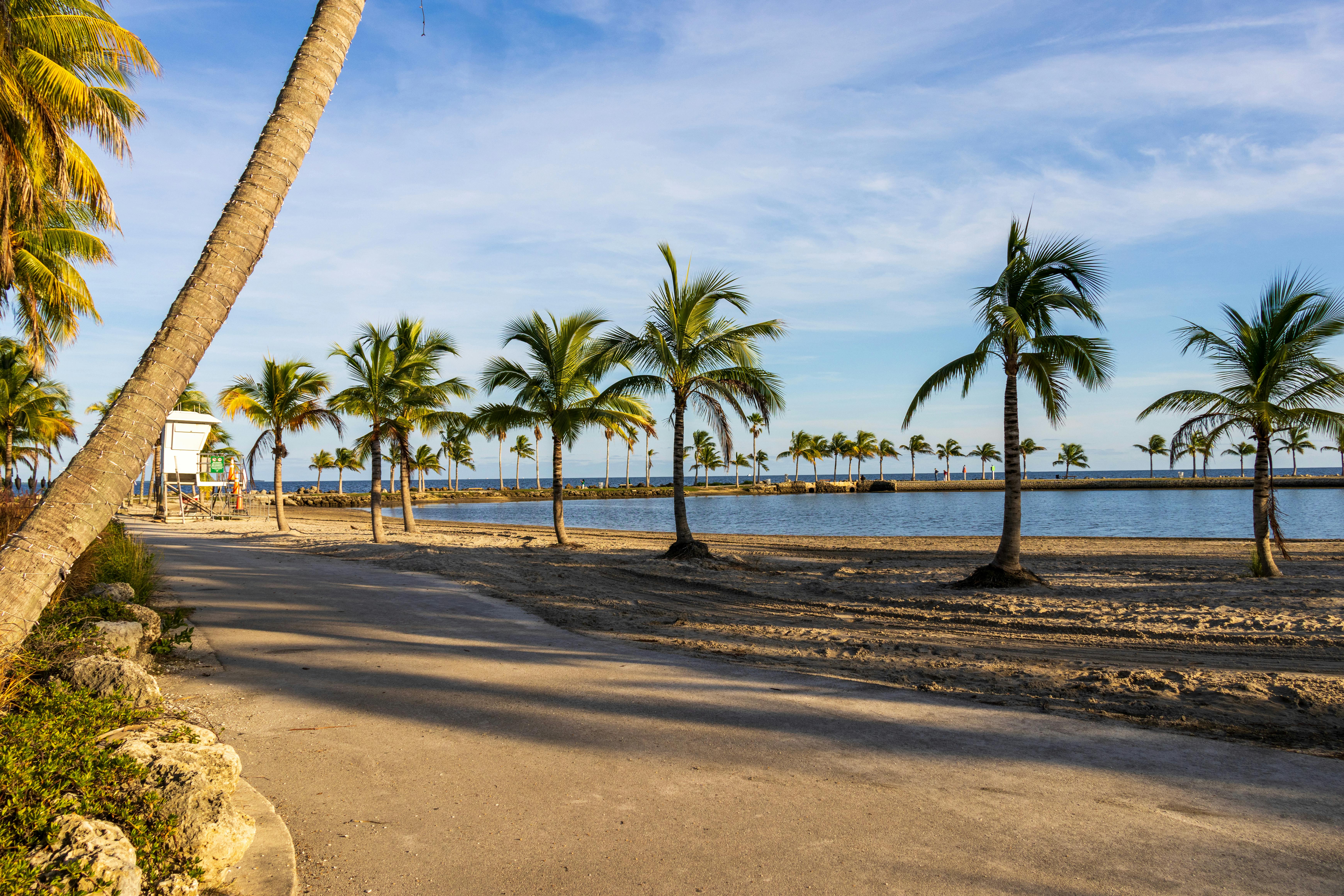
Coral Gables was established in 1925 as one of the first planned communities in the United States, built around Mediterranean Revival architecture with banyan tree canopies covering the main boulevards. Most neighborhoods in Miami have been torn down and rebuilt at least once. Coral Gables has been protective of its original character from the start, and you can feel that when you ride through it. Looking to find where locals eat in Miami when they want a good meal without the South Beach scene? A lot of them end up here.
The Route
Follow Coral Way and Granada Boulevard down the residential area, where the architecture changes almost block by block. Loop along Miracle Mile, the main commercial street, then park near the pedestrian-only Giralda Avenue for dinner. Late afternoon is the best time for the residential streets, since it’s when the light comes through the banyan canopy at an angle.
Where to Stop
- Venetian Pool: A spring-fed swimming pool carved from a coral rock quarry in 1924, listed on the National Register of Historic Places.
- Bouchon Bistro: Thomas Keller's French bistro inside the historic La Palma building. The garden courtyard is worth the visit on its own.
- Threefold Cafe: The only Australian-style cafe in the area, serving Panther Coffee and Zak the Baker bread with an all-day breakfast menu.
- Books and Books: An independent bookstore that's been a Coral Gables fixture for decades. Cafe attached for a cortadito and some post-ride reading.
Rent a Motorcycle in Miami with Riders Share
If reading through these spots has you picturing yourself on the road, a Miami motorcycle rental is the next step. Riders Share currently has 170+ motorcycle rentals available in Miami, with bikes ready for everything from quick neighborhood rides to full-day routes out of the city. Available brands include Harley-Davidson, BMW, Ducati, Honda, Yamaha, Kawasaki, and Triumph. Browse current listings, choose your dates, and pick the bike that fits how you want to experience Miami.

Riding Far? See Available Florida Motorcycle Rentals near You
Some trips naturally turn into more than one stop, especially once you start looking at the roads outside Miami. Riders Share has over 400 motorcycle rentals available across Florida, which lets you check availability in other cities and choose a bike based on where you’re headed next. Browse through our current Florida motorcycle rentals to see what’s available near you.
Experience Miami the Right the Local Way
Miami has a lot more to offer than what most visitors see in a long weekend, and the best parts of the city tend to be the ones that take a little more effort to get to. A motorcycle makes that easier, but the real point is being willing to look past the obvious and spend your time in the neighborhoods that actually make this city what it is.
Miami Local Experience FAQ
Before you start planning stops or routes, here’s a quick recap of how locals actually experience Miami, based on the questions that come up most often.
What do locals do in Miami?
Miami locals stick to neighborhoods like Little Havana, Coral Gables, and Key Biscayne. Morning cafecito at a ventanita, beach days at Crandon Park instead of South Beach, and dinner at neighborhood spots that have been open for decades.
What is the best way to explore Miami?
A motorcycle is the best way to explore Miami. The city's best neighborhoods are spread out, traffic is heavy, and parking is limited in places like Wynwood and Little Havana. On two wheels, you can move between neighborhoods without losing time.
What are the hidden gems of Miami?
The Rickenbacker Causeway at sunrise, the Everglades on Route 41 before 8 a.m., the Art Deco district after dark, the Redland agricultural area near Homestead, and the residential streets of Coral Gables are all places locals visit regularly that rarely show up on a visitor itinerary.
Where do locals eat in Miami?
El Exquisito and Versailles in Little Havana for Cuban classics, La Fama in Wynwood for old-school comfort food, FreshCo Fish Market and Grill in Homestead for fresh-catch seafood, Threefold Cafe in Coral Gables for Australian-style brunch, and Black Point Ocean Grill for waterfront dining without the South Beach markup.
Related Articles
Mon - Fri: 8-8 CT
Weekends: 9-8 CT
