Riding Gear by Season: What You Should Wear & When
Nov 2, 2024
Tags:guidetips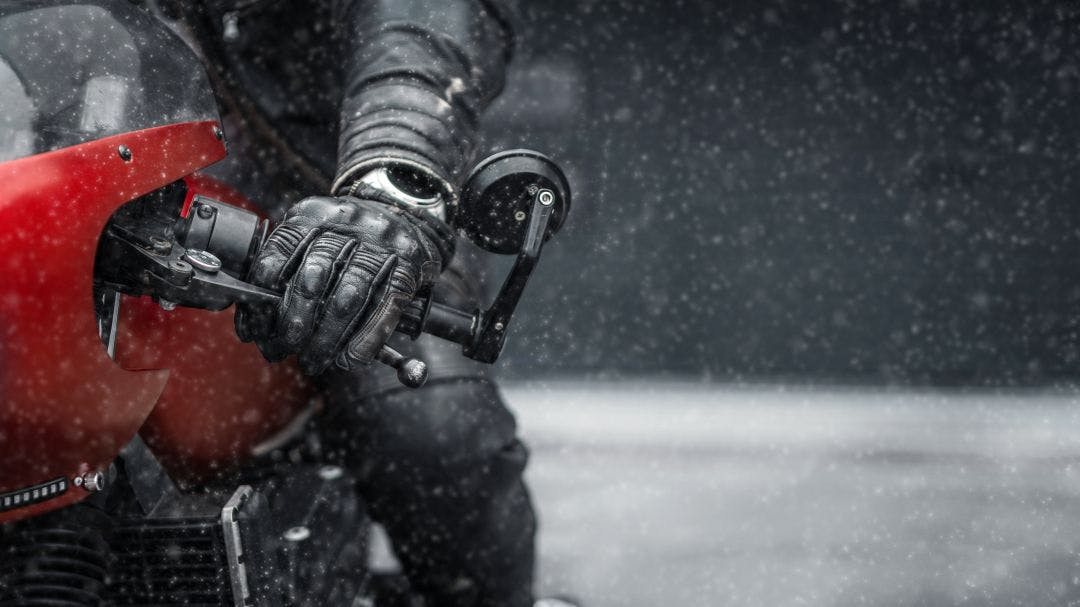
If you ride locally, you’re probably familiar with what type of motorcycle gear you should wear based on the season. But if you’re traveling out of town, across the country, or to the United States, the weather may take you by surprise. Being prepared with the best motorcycle gear for your current season will help you stay comfortable, visible, and protected.
In need of gear rentals for your next adventure? When you book a motorcycle rental with Riders Share’s peer-to-peer platform, many listings also offer motorcycle gear rentals, ranging from helmets, jackets, luggage, gloves, and more.

Best Motorcycle Gear for Spring (March - May)
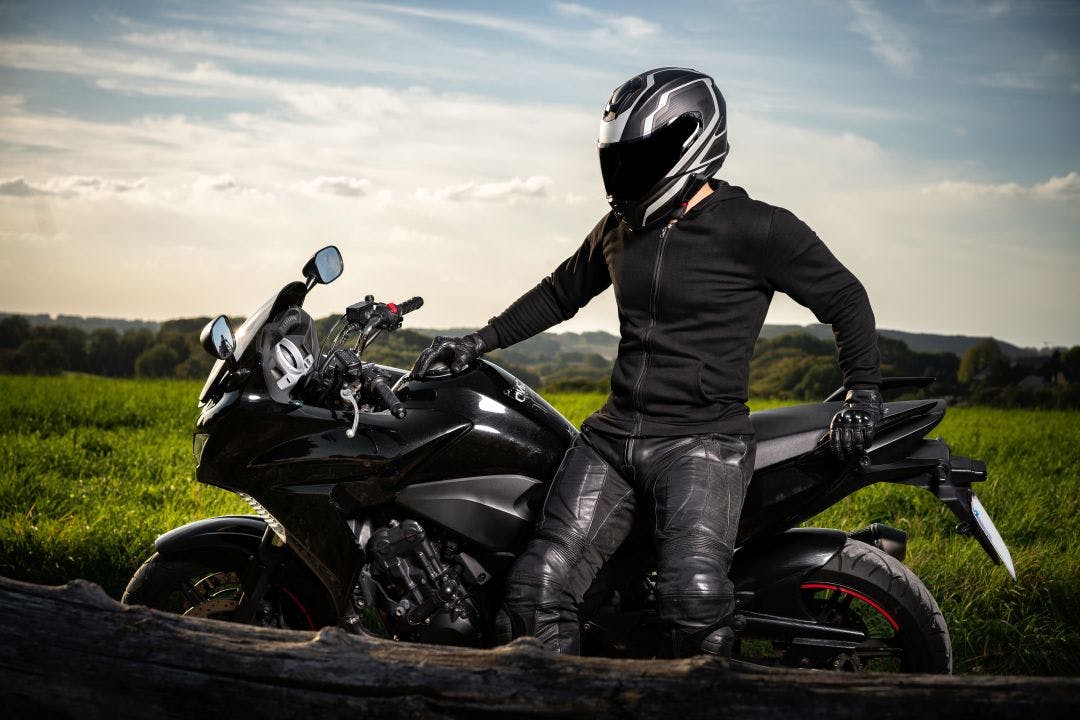
Spring riding can be unpredictable. Temperatures rise after winter, but you’ll probably encounter chilly mornings, warm afternoons, and plenty of rain. Roads are often slick from melting snow and spring showers, so staying dry and visible is key.
Keep in mind that many areas of the United States experience “Fools Spring,” which occurs usually in February-March and is accompanied by warm spring weather. Unfortunately, this only lasts for a short period before the next snowfall. Expect consistent weather in late April to early Spring, especially for the Northern states.
- Waterproof Jackets and Pants: A waterproof jacket and pants are essential to combat frequent rain. Look for breathable materials to prevent overheating as temperatures warm.
- Layering: Temperatures can vary significantly throughout the day. Invest in layers like thermal shirts and jackets with removable liners. This way, you can adjust your clothing as needed.
- Waterproof Gloves: Cold, wet hands can make riding uncomfortable and unsafe. Look for insulated, waterproof gloves to keep your hands warm and dry.
- Full-face Helmet with Anti-fog Visor: Spring rain can cause visors to fog up. Anti-fog treatments or pin-lock visors will help maintain clear vision in wet conditions.
- High-visibility Gear: Rainy and overcast days reduce visibility, so bright or reflective gear helps ensure other drivers see you on the road.
Best Motorcycle Gear for Summer (June - August)
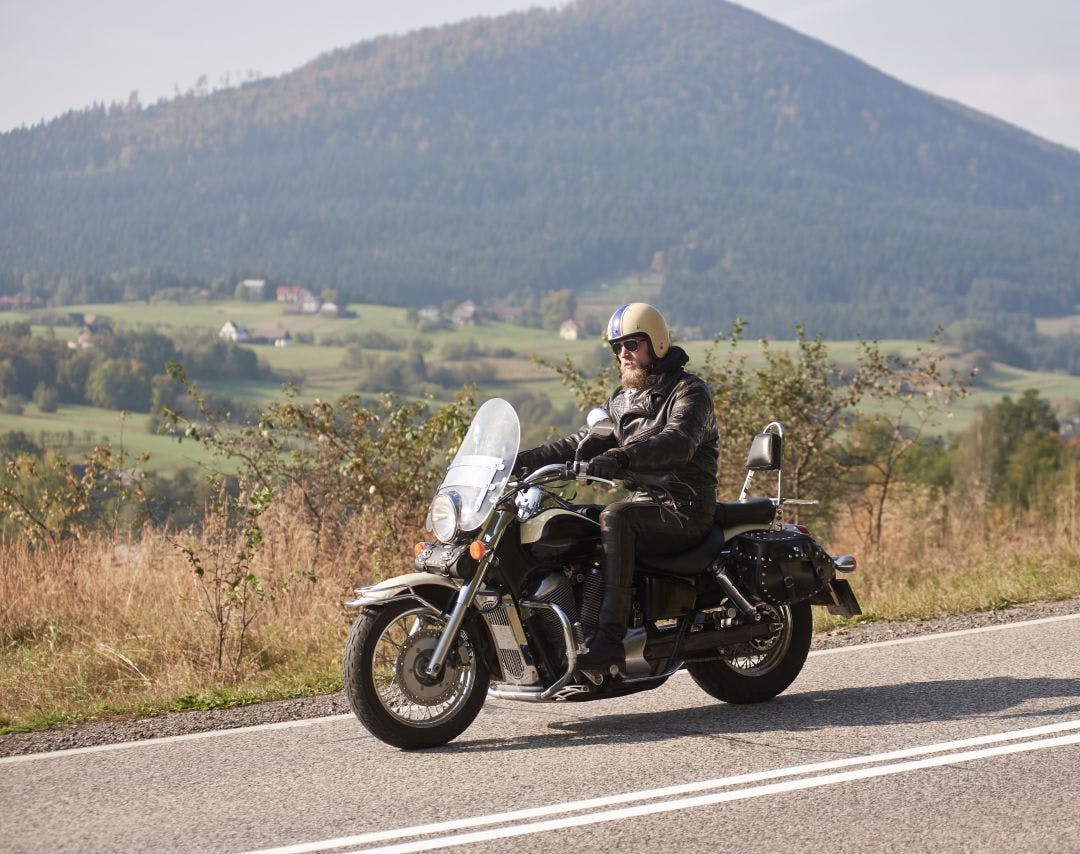
Summer brings heat, humidity, and longer rides. However, high temperatures can be just as dangerous as cold weather if you’re unprepared. Overheating, dehydration, and sun exposure are real risks, so your gear should keep you cool without sacrificing safety.
- Ventilated Jackets and Pants: Mesh or textile gear with ample ventilation allows airflow while offering protection. Look for options with protective armor at key impact points (elbows, shoulders, knees).
- Moisture-wicking Base Layers: Wearing moisture-wicking shirts and pants under your gear helps manage sweat and keep you cool.
- Lightweight Gloves: Summer gloves are typically lighter, offering more breathability while providing palm and knuckle protection.
- Hydration Pack: Staying hydrated is crucial on longer rides. A hydration backpack allows you to sip water while riding without stopping.
- Sunglasses or Tinted Visors: A tinted visor or quality riding sunglasses can help protect your eyes from harsh sunlight.
Beware of a scorcher! Riding in extreme heat can be more dangerous than you think. When temperatures climb above 100°F, the risk of dehydration, heat exhaustion, and heatstroke increases significantly, even when you're moving. Your body can lose essential fluids quickly, and heat radiating from the road can make it feel even hotter.
To stay safe, it's crucial to limit your exposure, wear ventilated gear, and stay hydrated. Taking regular breaks and finding shaded areas to cool off can make a huge difference in keeping you comfortable and safe on the road. Always listen to your body and know when it's time to take a break from the heat! For more tips, check out “How Hot Is TOO Hot for Riding,” and “How to Stay Cool When Riding in Summer.”

Best Motorcycle Gear for Fall (September - November)
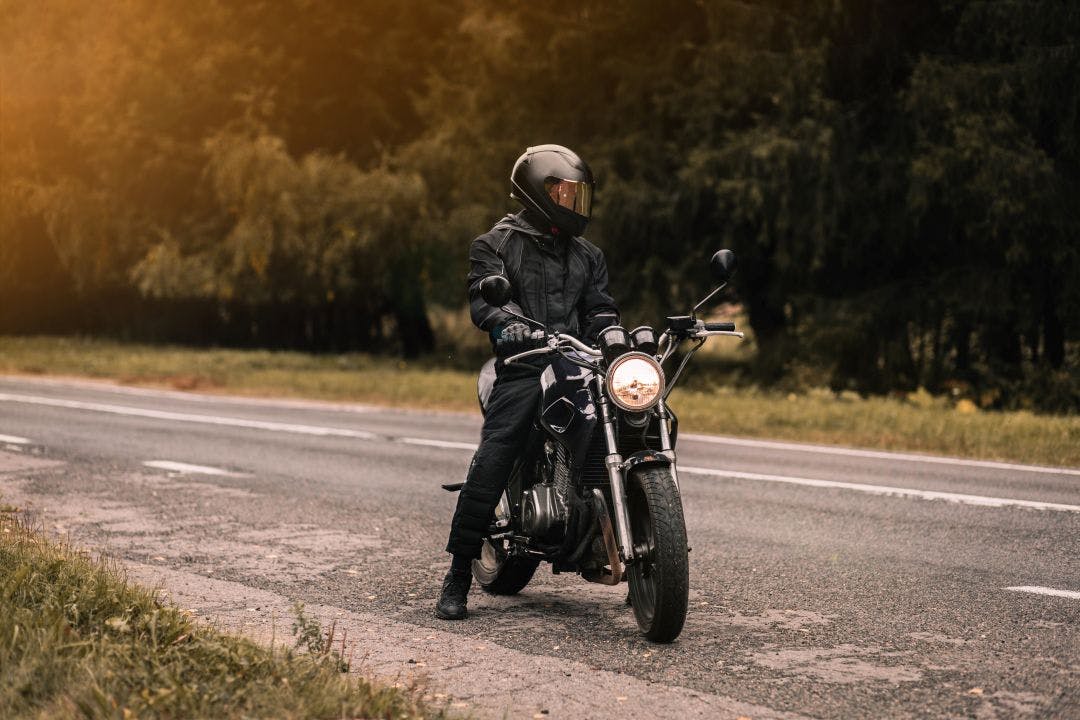
Fall is a favorite season for many riders, thanks to its cooler temperatures and scenic routes with colorful foliage. However, the season also brings shorter days, increased winds, and slippery roads from fallen leaves and rain. Staying warm and visible is key to a safe fall ride, but season-appropriate motorcycle gear can also make your rides more comfortable.
One last note before we get into our favorite fall gear. In some states, the “fall” season may be extended into December, whereas with other more Northern states, you can expect a potential halt to your two-wheeled adventures before November even begins. This should go without saying, but always check the weather.
- Textile Jackets with Removable Liners: Fall weather is unpredictable, so a versatile jacket with a removable thermal liner is ideal for adjusting to temperature changes.
- Insulated Gloves: Cooler temperatures can make your hands go numb. Insulated gloves, especially ones with windproof properties, are perfect for keeping hands warm.
- High-visibility Gear: As daylight hours decrease, wearing reflective or high-visibility gear becomes even more important to ensure you're seen by other motorists.
- Anti-slip Boots: Wet roads and fallen leaves can be slippery, so boots with good grip and weather resistance are essential for maintaining control.
Best Motorcycle Gear for Winter (December - February)
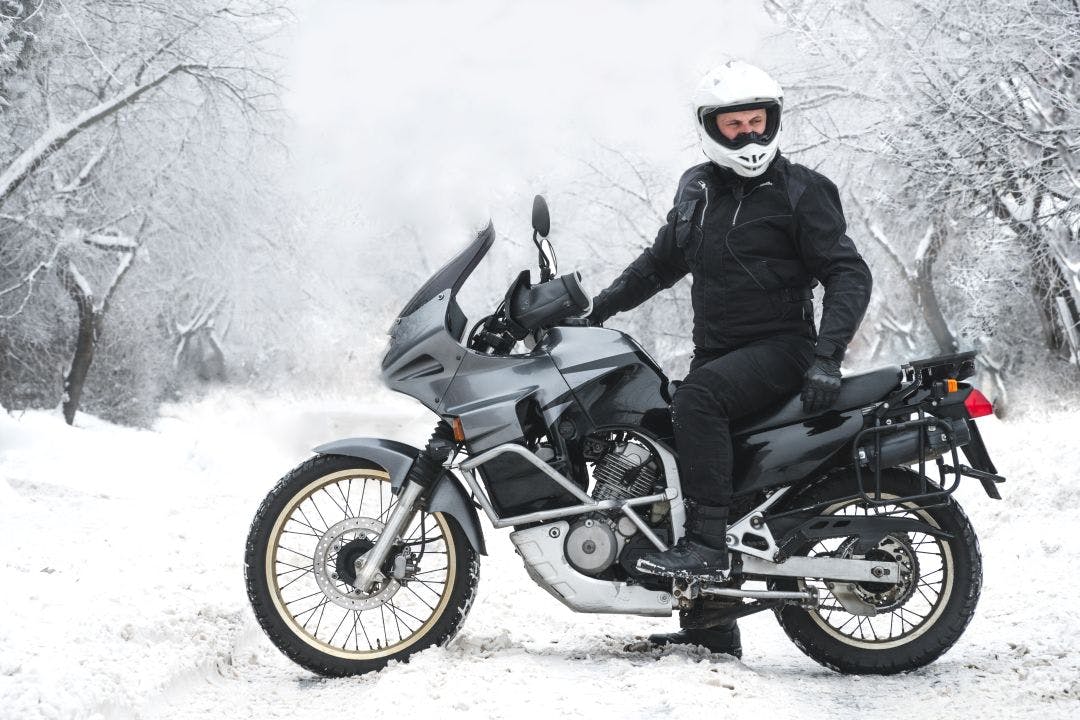
Winter riding is not for everyone, but for those willing to brave the cold, it can be a rewarding experience. The cold air, icy roads, and shorter days make proper gear essential for warmth, safety, and comfort.
- Heated Jackets and Gloves: Heated gear can be a game-changer for winter riding. Look for battery-powered heated jackets and gloves to keep your core and hands warm. Expect to spend some money on good-quality heated gloves- you won’t regret it.
- Thermal Base Layers: Base layers made from thermal materials like wool or synthetic fibers will trap heat without making you feel bulky under your gear.
- Full-face Helmet with Fog-resistant Visor: Winter riding requires a helmet that fully covers your face to protect you from the cold. Fog-resistant visors are critical in preventing your vision from fogging in cold, moist conditions.
- Cold-weather Boots: Waterproof, insulated boots will keep your feet warm and dry while providing the traction needed to navigate potentially icy roads.
- Neck Warmer or Balaclava: To protect against windchill, a neck warmer or balaclava can help seal the gap between your jacket and helmet.
This isn’t gear, but one of the best things you can do for your safety to protect yourself in winter is get. good. tires. We mean it! This could mean the difference between riding safely and sliding all off the road.
Regional-Specific Seasons Motorcycle Riding Gear
Monsoon Season (Southwest U.S., July - September)
The monsoon season in the southwestern U.S. brings intense rains and flash flooding. While the weather is typically hot and dry, sudden storms can make roads hazardous.
- Waterproof Rain Suit: A high-quality rain suit that can be quickly donned over regular gear is essential for sudden downpours.
- Waterproof Boots: Keeping your feet dry is critical when riding through wet roads or light flooding.
- Bright, Reflective Gear: Reduced visibility during heavy rains makes reflective gear even more important for being seen by other vehicles.
- Helmet with Water-Repellent Coating: A helmet with a visor treated with a water-repellent coating will help keep your vision clear in heavy rain.
Hurricane Season (Atlantic Coastal U.S., June - November)
Hurricane season along the U.S. East Coast and Gulf Coast can bring severe storms with high winds, heavy rains, and flooding. Riding during hurricane season requires preparedness for quickly changing weather conditions. Riding during potentially dangerous weather, let alone a hurricane, is not recommended at all. Just a disclaimer!
- All-Weather Gear: Waterproof, windproof gear is critical for riding during heavy rains and gusty winds. Look for jackets and pants with good storm flaps and ventilation options.
- Full-face Helmet with Pinlock Visor: A full-face helmet is essential for wind protection, and a pinlock visor will help prevent fogging in wet and humid conditions.
- Boots with Good Traction: Slippery roads are common during and after storms, so boots with good traction and waterproofing are a must.
- Waterproof Luggage: If you’re carrying gear or personal items, waterproof saddlebags or a top box will protect them from the elements.
Did You Know You Can Rent Gear With Your Motorcycle Rental on Riders Share?
When you rent a bike on Riders Share, some owners also offer gear rentals like helmets, jackets, and gloves. This is perfect if you don’t have your own gear or don’t want to bring it along. Renting gear makes it easy to stay safe and comfortable on your ride without the need to buy or pack extra equipment. Just check the bike listing to see if gear is available, and you'll be ready to ride!
Get Ready to Travel
Riding a motorcycle year-round can be a rewarding experience, but only if you’re prepared for the changing weather conditions. By selecting the right gear for each season, you’ll ensure not only your comfort but also your safety. Whether it’s investing in waterproof gear for the spring rains, ventilated jackets for summer heat, or heated gloves for winter rides, choosing the right gear can make all the difference in your riding experience. And for those in areas with extreme seasonal weather, such as monsoons or hurricanes, being ready with the proper equipment is even more important to stay safe on the road.
Related Articles
Mon - Fri: 8-8 CT
Weekends: 9-8 CT
