History of the Honda Gold Wing Motorcycle
Aug 1, 2024
Tags:hondarentersownersinfo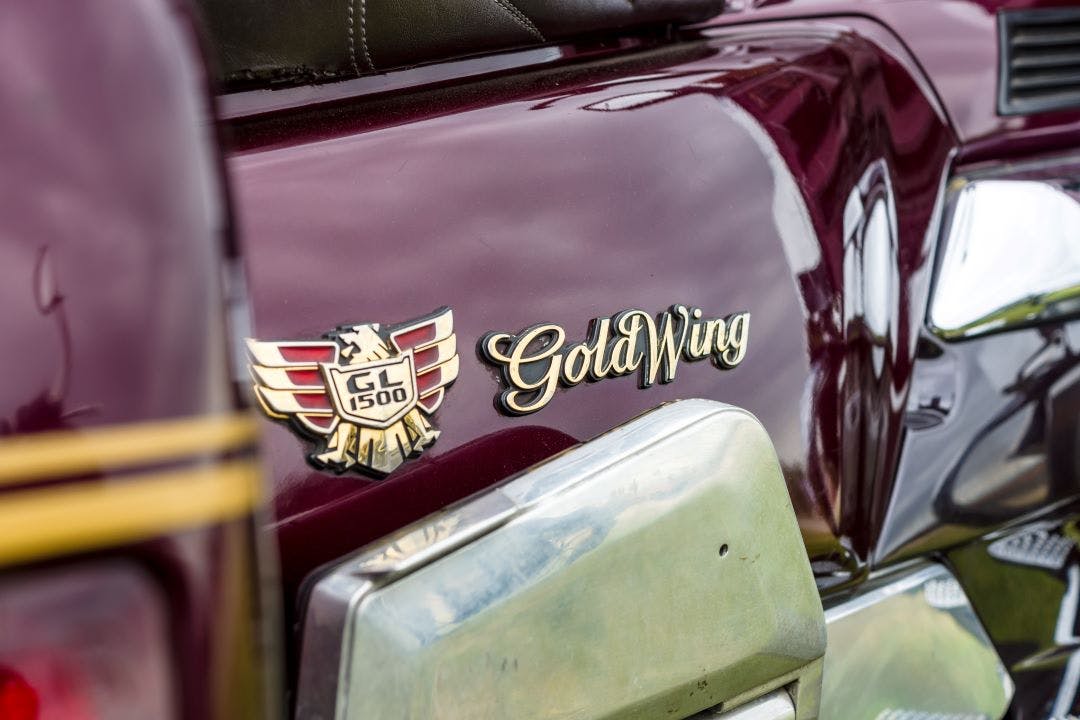
Introduced in 1974, the Honda Gold Wing has become an iconic name in the world of touring motorcycles. Praised for its comfort, reliability, and innovative features, the Gold Wing has largely influenced the motorcycle industry. As one of the first models to prioritize rider comfort and long-distance capability, it set new standards for touring motorcycles. But where did it all start? Let's take a journey through the history of the Honda Gold Wing and see how it evolved into the legendary machine it is today.
The Birth of the Honda Gold Wing
The birth of the Honda Gold Wing can be traced back to the early 1970s when Honda recognized a growing demand for motorcycles capable of long-distance travel with superior comfort and performance. Honda's engineering team, led by Shoichiro Irimajiri, who would soon be coined the ‘Honda-Man’, set out to create a motorcycle that would redefine the touring segment. The result? The Honda Gold Wing GL1000.
So, When Did Honda Come Out with the Gold Wing?
Honda officially introduced the Gold Wing in 1974, unveiled at the Cologne Motorcycle Show, marking a huge milestone in the motorcycle industry. The GL1000, the first model in the Gold Wing series, was revolutionary with its 999cc flat-four engine, producing a smooth and powerful ride. It also featured a unique liquid-cooling system and a shaft drive, both of which were uncommon in motorcycles at that time.
The GL1000’s design prioritized comfort and reliability, with a large fuel tank, comfortable seating, and a low center of gravity for better handling. This fresh, innovative approach to motorcycle design set the stage for future Gold Wing models and established Honda as a leader in the touring motorcycle market.
Generations of the Honda Gold Wing: A Timeline
The Honda Gold Wing has gone through many transformations since its inception, with each generation introducing new features, designs, and technological advancements. Let's explore the different generations of the Honda Gold Wing and the key developments that occurred during each period.
First Generation (1975-1979)
The first generation of the Honda Gold Wing laid the foundation for what would become a legendary series of motorcycles. This period saw the introduction of the GL1000 model, known for its smooth ride, reliability, and innovative design. Honda focused on creating a motorcycle that provided unmatched comfort for long-distance touring.
- 1975: The GL1000 was launched, featuring a 999cc flat-four engine, liquid cooling, and shaft drive. It was a game-changer in the touring motorcycle market.
- 1976: Honda made minor updates, including changes to the seat and handlebar grips, making the ride more comfortable.
- 1977: The LTD model was introduced to commemorate the Gold Wing's success. This special edition had gold accents and unique features.
- 1978: Honda enhanced the carburetors and added new color options, offering riders more variety.
- 1979: The GL1000 K3 model, with improved performance and styling, was released, solidifying the Gold Wing's reputation.
The first generation set the standard for touring motorcycles. Its success showed the potential for luxury touring motorcycles and set the stage for future advancements.
Second Generation (1980-1989)
The second generation brought even bigger improvements in terms of power and comfort with the introduction of the GL1100 and later the GL1200 models. Honda continued to innovate, making the Gold Wing even more appealing to long-distance riders.
- 1980: The GL1100 was introduced, featuring a larger 1085cc engine and the Interstate model, which came with factory-installed fairings and saddlebags, making it perfect for touring.
- 1981: Honda made minor updates to improve reliability and comfort, keeping the Gold Wing competitive.
- 1982: The Aspencade model was introduced, offering luxury features like an onboard compressor for air suspension, making long rides even smoother.
- 1983: Honda updated the engine and suspension for better performance and handling, refining the Gold Wing's ride quality.
- 1984: The GL1200 model was launched. It included an 1182cc engine and electronic fuel injection, which helped with performance and fuel efficiency.
- 1985: The Limited Edition model was introduced with advanced features like a trip computer and a premium audio system.
- 1986: Minor refinements were made to improve reliability and rider comfort.
- 1987: The Aspencade SE-i model was introduced with advanced electronics and comfort features, making it a luxury tourer.
- 1988: Honda continued production with minor updates, keeping the Gold Wing up-to-date.
- 1989: The final year of the GL1200 production focused on refining existing features, ending a successful run for this generation.
Third Generation (1990-2000)
The third generation saw the introduction of the GL1500 model, which brought major tech advancements and solidified the Gold Wing's status as the king of touring motorcycles. Honda continued to innovate, making large strides in comfort, performance, and rider convenience.
- 1990: The GL1500 was introduced. It featured a 1520cc flat-six engine and reverse gear, making it easier to maneuver.
- 1991: Honda made minor updates to improve comfort and performance, keeping the Gold Wing modern.
- 1992: The SE model was introduced with premium features like a CB radio and additional lighting, enhancing the riding experience.
- 1993: Continued production with minor refinements.
- 1994: New color options were introduced, giving riders more choices for personalizing their bikes.
- 1995: The GL1500 Aspencade model was launched with enhanced comfort features, making long rides even more enjoyable.
- 1996: Honda celebrated its 50th anniversary by introducing the Anniversary Edition model, which featured special badging and unique features.
- 1997: Continued production with minor improvements, keeping the Gold Wing up-to-date.
- 1998: The Valkyrie model, a cruiser variant of the Gold Wing, was introduced, appealing to a different segment of riders.
- 1999: Continued refinement of the GL1500 model, maintaining its reputation for reliability and comfort.
- 2000: The final year of the GL1500 production marked the end of an era, finishing off a decade full of well-praised advancements.
Fourth Generation (2001-2010)
The fourth generation saw the introduction of the GL1800 model, which brought on a variety of new features and improvements to enhance the riding experience. This generation marked a transition to a more modern design and the inclusion of advanced technology.
- 2001: The GL1800 was introduced. It featured an 1832cc flat-six engine, an aluminum frame, and advanced electronics. This model was lighter and more powerful than all the bikes before.
- 2002: Minor updates were made to improve comfort and performance, keeping the Gold Wing ahead in the touring segment.
- 2003: New color options were introduced, giving riders more personalization choices.
- 2004: Continued production with minor updates.
- 2005: The Comfort Package was introduced, featuring heated grips and seats to make cold-weather riding more comfortable.
- 2006: The GL1800 Premium Audio model was launched with an enhanced sound system, a feature much appreciated by those who love music just as much as they love riding.
- 2007: The Airbag model was introduced, becoming the first motorcycle with an airbag system, greatly improving rider safety.
- 2008: Continued refinement with minor updates.
- 2009: New color options and minor improvements were introduced, keeping the Gold Wing fresh and appealing.
- 2010: The final year of the GL1800 production focused on refining existing features, concluding a successful decade for this generation.
Fifth Generation (2011-2017)
The fifth generation continued to build on the success of the GL1800, introducing new features and improvements to help make the touring experience better. This period also saw a significant change in production, with manufacturing moving to Kumamoto, Japan.
- 2011: Production of the Gold Wing stopped in the United States, marking the end of an era for American-made Gold Wings.
- 2012: Gold Wing production moved to Kumamoto, Japan. The redesigned GL1800 was introduced with updated styling, an improved audio system, and navigation features.
- 2013: Minor updates were made to improve comfort and performance, keeping the Gold Wing competitive.
- 2014: New color options and minor refinements were introduced, giving riders more choices.
- 2015: The GL1800 40th Anniversary Edition was launched with special features and styling to commemorate four decades of the Gold Wing.
- 2016: Continued production with minor updates, maintaining the Gold Wing’s reputation for innovation and luxury.
- 2017: The final year of the fifth-generation GL1800 production focused on refining existing features, concluding another successful era for the Gold Wing.
Sixth Generation (2018-Present)
The sixth generation introduced a completely redesigned Gold Wing. The COVID-19 pandemic did cause some disruptions in production and supply chains, which led to delays and temporary halts.
- 2018: The all-new GL1800 was introduced, featuring a lighter frame, improved aerodynamics, and advanced electronics like Apple CarPlay. This model was a change from previous designs, focusing on modern technology and rider convenience.
- 2019: Minor updates improved performance and comfort.
- 2020: New color options and minor refinements were introduced, giving riders more choices and keeping the model fresh. The COVID-19 pandemic caused some production delays and supply chain disruptions.
- 2021: Continued production with minor updates, maintaining the Gold Wing’s status as a leader in the touring motorcycle market.
- 2022: New features and improvements were introduced to enhance the touring experience.
- 2023: Continued refinement with minor updates, keeping the Gold Wing competitive and appealing to riders.
- 2024: The latest model was introduced with advanced features and new technology.
The sixth generation continues to push the boundaries of what a touring motorcycle can be, combining advanced tech with the legendary comfort and reliability of the Gold Wing. This era keeps the Gold Wing at the forefront of the touring motorcycle market, appealing to a new generation of riders.
The Legacy and Future of the Honda Gold Wing
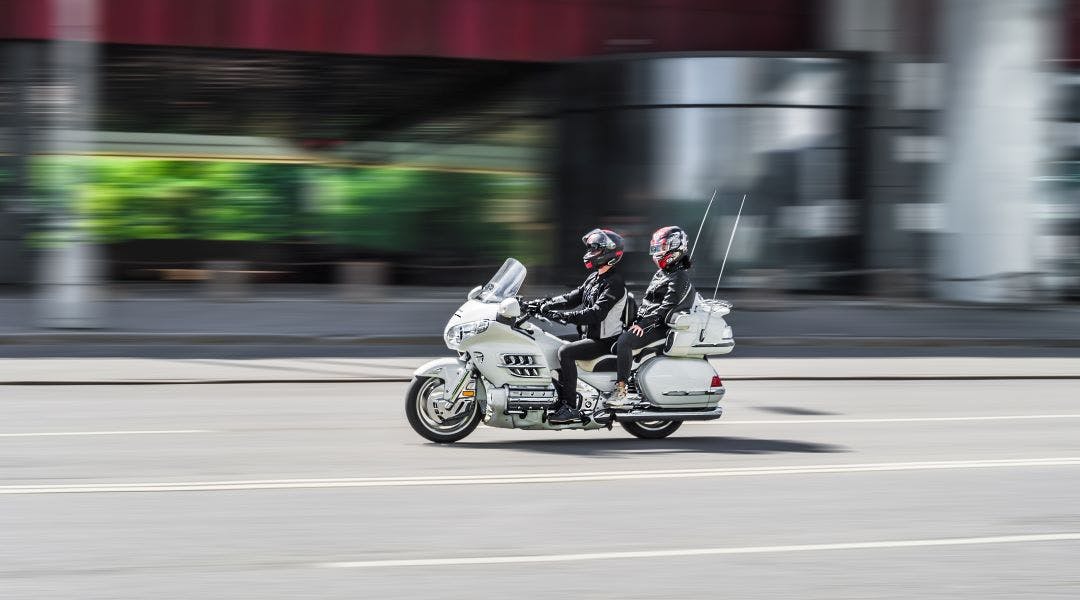
The legacy of the Honda Gold Wing is one that includes continued improvement and rider satisfaction. Its future looks bright as Honda continues to innovate and maintain the high standards that have made the Gold Wing a legend in motorcycle touring.
Average Lifespan of the Honda Gold Wing
Honda motorcycles are built to last, and the Gold Wing is no exception. With proper care and regular maintenance, most Gold Wings can easily reach over 100,000 miles. Regular oil changes, servicing, and attention to the engine help keep these bikes running smoothly for years.
To learn more about the lifespan of Honda Motorcycles, check out our blog: What’s the Life Expectancy of a Honda Motorcycle.
How the Honda Gold Wing Maintains its Popularity
The Honda Gold Wing stays popular because Honda keeps improving it with new technology and features. Every new model brings something better, keeping the bike modern and exciting for riders. There’s also a strong community of loyal riders that continues to keep the Gold Wing in the spotlight. Visit the Honda Gold Wing Forum and become a part of this community yourself!
Most important of all, Honda listens to rider feedback and adapts the Gold Wing to meet their needs. By combining new technology with the classic comforts riders love, Honda makes sure the Gold Wing remains a top choice for those who love a good touring bike.
Rent a Honda Gold Wing & Other Honda Motorcycle Models with Riders Share
So, you’ve gotten a good look into Honda Gold Wing’s history. Are you ready to experience the legendary Honda Gold Wing for yourself? Riders Share offers Honda Gold Wing rentals along with other top Honda motorcycle models. Whether you're planning a long-distance tour or a weekend ride, our easy rental process and wide selection guarantee you get the perfect bike for your adventure. Discover the comfort and reliability of Honda Gold Wing rentals today with Riders Share!

Related Articles
Mon - Fri: 8-8 CT
Weekends: 9-8 CT
