Is the Small Bike Boom About Price, Preference, or Both? Probably Both, and That's What Makes It Interesting
Mar 10, 2026
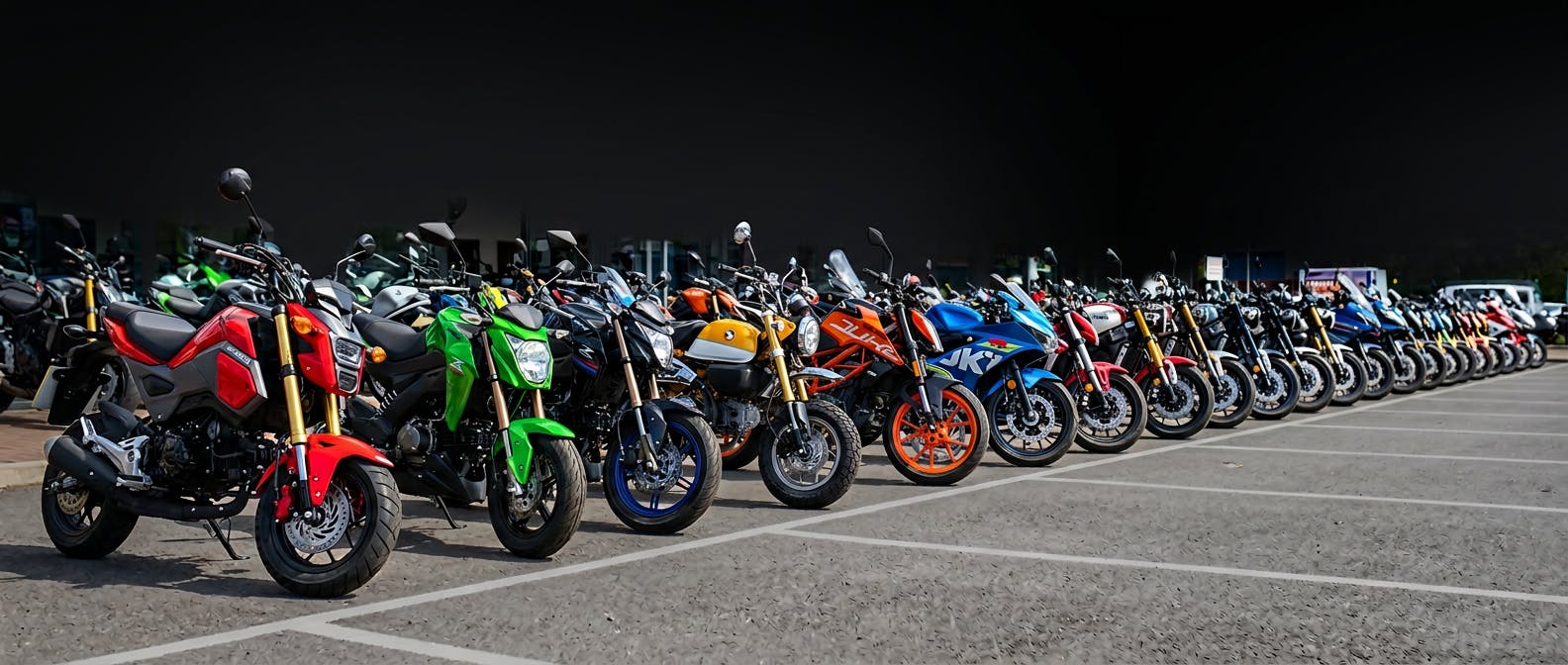
Sport bikes under 750cc drove the entire 13% growth in their category last year, even as the overall motorcycle market fell 7.6%. So what’s actually pushing riders toward smaller displacement? Price is part of it. But only part.
The numbers out of the Motorcycle Industry Council’s 2025 year-end report are worth sitting with for a second. Total new motorcycle and scooter sales fell 7.6% compared to 2024. Touring bikes were down 13%. Cruisers dropped 6%. The traditional backbone of American motorcycle retail had another rough year.
And yet sport bike sales grew 13%. Adventure bikes under 600cc were up 10% year over year. Trail bikes over 125cc posted a 9% gain. According to MIC director of research and statistics Buckner Nesheim, customers are moving toward “smaller, affordable, versatile, and performance-focused models” while traditional large-displacement segments keep losing ground.
Since 2019, off-highway-capable motorcycles have collectively gained eight points of market share. Sport bikes have gained seven points over the same period. Traditional on-highway motorcycles have lost a combined 15 points.
That is not a blip. That is a structural shift.
The obvious question is why. And the answer, genuinely, is not one thing.
Price Is Doing Real Work Here
Nobody is pretending the economics don’t matter. A Kawasaki Ninja 500 starts around $6,000. A Honda CB500X sits in the same range. The KTM 390 Adventure, the Royal Enfield Himalayan, the CFMoto 450SS are all under $7,500 new. Compare that to a touring bike or large-displacement cruiser, which can run $15,000 to $25,000 before you add luggage, a windshield, or extended coverage.
When household budgets are compressed and financing costs are still elevated, that gap matters. Insurance premiums skew lower on smaller engines too, which adds up over even one riding season.
So yes, price is pushing people toward smaller bikes. But if it were purely economic pressure, you’d expect buyers to sit out or go used. Instead, they’re buying new small bikes at a 13% clip in a market that was otherwise contracting. That tells you something beyond affordability is at work.
The Bikes Got Good. That Matters.
The newer generation of small-displacement motorcycles is genuinely capable in a way that didn’t used to be true. That sentence would have landed differently a decade ago, when sub-500cc bikes often felt like compromises: fine for the city, tolerable on the highway, but not something an experienced rider would choose on purpose.
That has changed. The Ninja 500 handles confidently. The CB500X is legitimately capable on gravel. The Royal Enfield Himalayan has a following that’s hard to explain on specs alone. There’s something about how it rides that converts people. The KTM 390 Adventure punches well above its displacement on technical terrain. These aren’t starter bikes in the dismissive sense. They’re bikes experienced riders are increasingly choosing on purpose.
The MIC attributes part of the shift to expanded product offerings from manufacturers, alongside changing demographics and more interest from younger and female riders. That’s accurate, but it undersells how dramatically the product itself has improved.
There’s also a riding culture shift happening underneath all of this. Moto camping, gravel routes, dual-sport day rides have all grown. Lighter, more versatile platforms fit that kind of riding better than a 900-pound touring rig does. Adventure bike sales are up 52% since 2019. That’s not coincidence.
Experience Explains More Than Either Price or Preference
Here’s where the question gets more interesting. Rental data from the Riders Share platform points to a third factor that the sales numbers alone don’t surface: rider experience.
Across Riders Share bookings, smaller displacement bikes consistently attract riders with significantly less riding experience than larger displacement machines. Riders booking bikes in the 0 to 500cc range report the lowest experience levels on the platform. Those booking 1500 to 2000cc bikes report the highest. The gap between those two groups is substantial.
That pattern tells you something the headline sales numbers don’t: the small bike boom is largely an entry story. New and returning riders start in the smaller displacement window because it’s accessible, not because they weighed the options and chose down. Price makes it possible. The bike’s approachability makes it stick.
This also explains why Riders Share saw small displacement bookings contract after tightening underwriting standards in 2022. Riders now need to demonstrate more experience to access certain bikes and coverage tiers. The segment that felt that most directly was the one drawing the least experienced renters. Return rates across displacement segments are essentially flat, running around 23% for small bikes against a platform-wide average of 26%. The drop in small bike volume wasn’t about loyalty. It was about the qualification floor moving up and a disproportionate share of that segment not clearing it.
None of that reflects softening demand. It reflects who small bikes actually attract: people earlier in their riding life. And if the MIC data is right that sport bikes under 750cc grew 13% while the overall market contracted, those people are still entering the market. They’re just buying instead of renting.
Decision Paralysis Is Real
There is one more thing worth naming: a lot of people who want a small bike genuinely don’t know which small bike.
The category has fragmented. Five years ago the decision was simpler. Now you’re choosing between a Ninja 500, a CB500X, a Himalayan, a KTM 390, a CFMoto 450SS, a Yamaha MT-03, and a handful of others, each with a genuinely different character. The Ninja 500 and the Himalayan occupy the same displacement window but are not remotely comparable to ride. One is a street-focused sport bike. The other is a go-anywhere lightweight adventure platform. Picking between them on a spec sheet is almost useless.
Renting before buying is the obvious answer, but the traditional rental market hasn’t caught up. Rental agencies stock what their fleet contracts dictate, which skews toward cruisers and touring bikes. The overlap between bikes available to rent and small displacement bikes you’re considering buying has historically been thin.
Peer-to-peer changes that. On Riders Share, the Ninja 500, CB500X, KTM 390 Adventure, Royal Enfield Himalayan, and CFMoto 450SS appear regularly because the owners of those bikes are real people who bought them and want to offset costs. You can ride the Himalayan for a weekend and the CB500X the weekend after and actually know which one fits how you ride before you put money down.
A Quick Reference by Riding Style
If you’re in the market and trying to narrow it down:
- Street and sport feel: Kawasaki Ninja 500 or Yamaha MT-03. Both handle highway speeds confidently, both are genuinely fun to push on twisty roads, and both are approachable enough that you’re not fighting the bike while you learn it.
- Light adventure and mixed terrain: Honda CB500X or Royal Enfield Himalayan, back to back if you can manage it. The CB500X is more refined and polished. The Himalayan has more personality and a more dedicated following among riders who go off-pavement regularly.
- Performance-oriented small adventure: KTM 390 Adventure. More aggressive suspension tune, more focused on technical terrain, less forgiving but more rewarding when pushed.
- Maximum value with modern specs: CFMoto 450SS. Chinese-manufactured bikes have improved more in the last three years than most people realize, and CFMoto is leading that conversation in the US market.
The small bike boom is real, and the MIC data makes it official. Price got people looking. The bikes themselves earned the consideration. And the experience gap in rental data confirms the boom is being driven by people entering the sport, not veterans reconsidering their garages. For anyone deciding what to put in their own, or trying to figure out which segment fits before committing, this is probably the best moment in a decade to start at the lighter end of the market.
Data note: Industry figures in this piece are drawn from the Motorcycle Industry Council’s 2025 year-end retail sales data. Booking distribution and rider experience data reflect Riders Share platform figures through early 2026.
Related Articles
Mon - Fri: 8-8 CT
Weekends: 9-8 CT
