Your Guide to Riding a Vespa Scooter
Jun 26, 2024
Tags:vespaguide
Riding a Vespa scooter can be an exhilarating experience, offering a unique blend of convenience, style, and practicality. Whether you're considering purchasing one or just curious about the experience, this comprehensive guide will cover everything you need to know. From the basics of riding to highway capabilities and rental options, we’ll help you get ready to zip around the streets with confidence.
Are Vespa Scooters Easy to Ride?
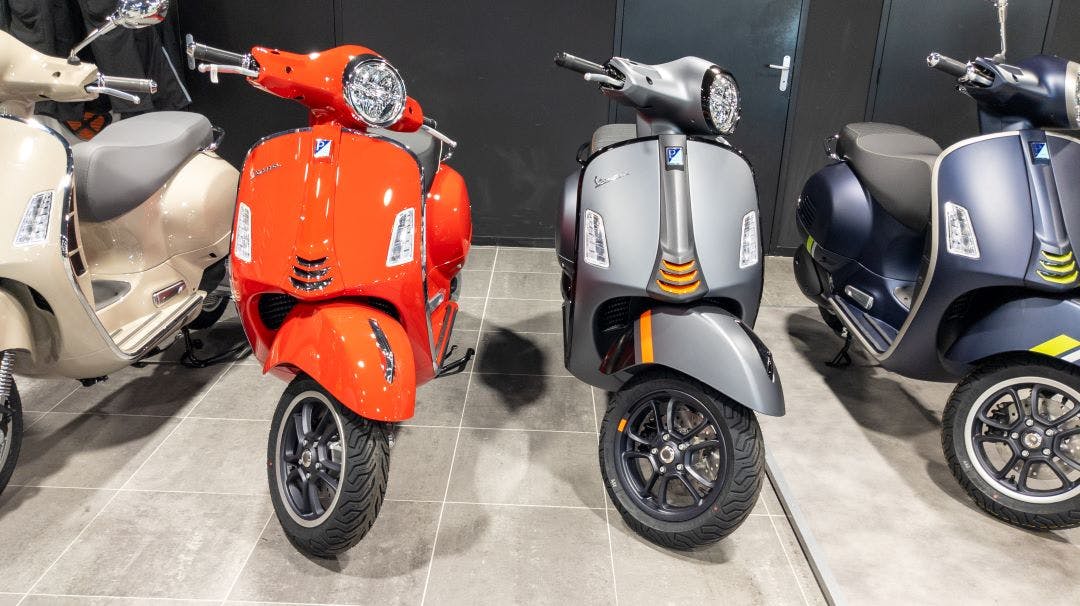
One of the most frequently asked questions is, “Are Vespa scooters easy to ride?” The answer is a resounding yes! Vespa scooters are designed with user-friendliness in mind, making them accessible for riders of all skill levels. Here’s why:
Lightweight and Maneuverable
Vespa scooters are lightweight, typically weighing between 220 to 300 pounds. This makes them easy to handle, especially in urban environments where tight turns and quick stops are common. The low center of gravity further enhances stability, allowing for smooth rides even at slower speeds.
Automatic Transmission
Unlike traditional motorcycles that require manual gear shifting, most Vespa scooters come with an automatic transmission. This means you can focus on the road without worrying about clutch control or gear changes, making the learning curve much gentler for beginners.
Comfortable Seating
Vespa scooters offer comfortable, ergonomic seating that provides a clear view of the road. The seats are designed to accommodate both the rider and a passenger, making it a great option for those who wish to ride with company.
Safety Features
Modern Vespas come equipped with a range of safety features such as anti-lock braking systems (ABS) and traction control. These features help prevent skidding and provide better control, ensuring a safer riding experience.
How Difficult Is It To Learn To Ride a Vespa?
Learning to ride a Vespa is relatively straightforward, thanks to its intuitive design. Here are some tips to help you get started:
1. Basic Training
Many local scooter dealerships and motorcycle schools offer basic training courses specifically for scooter riders. These courses cover essential skills such as starting and stopping, turning, and basic road safety. Enrolling in a course can provide a solid foundation and boost your confidence.
2. Practice in a Safe Environment
Before hitting the busy streets, practice riding in a safe, open area like a parking lot. This allows you to get a feel for the scooter’s controls and handling without the pressure of traffic.
3. Start Slow
Begin with short rides in low-traffic areas to build your skills and confidence. Gradually increase the distance and complexity of your rides as you become more comfortable.
4. Wear Appropriate Gear
Always wear a helmet and other protective gear, such as gloves and a jacket. This not only ensures your safety but also helps you get accustomed to the feel of riding with full gear.
Vespa Highway Riding Capabilities
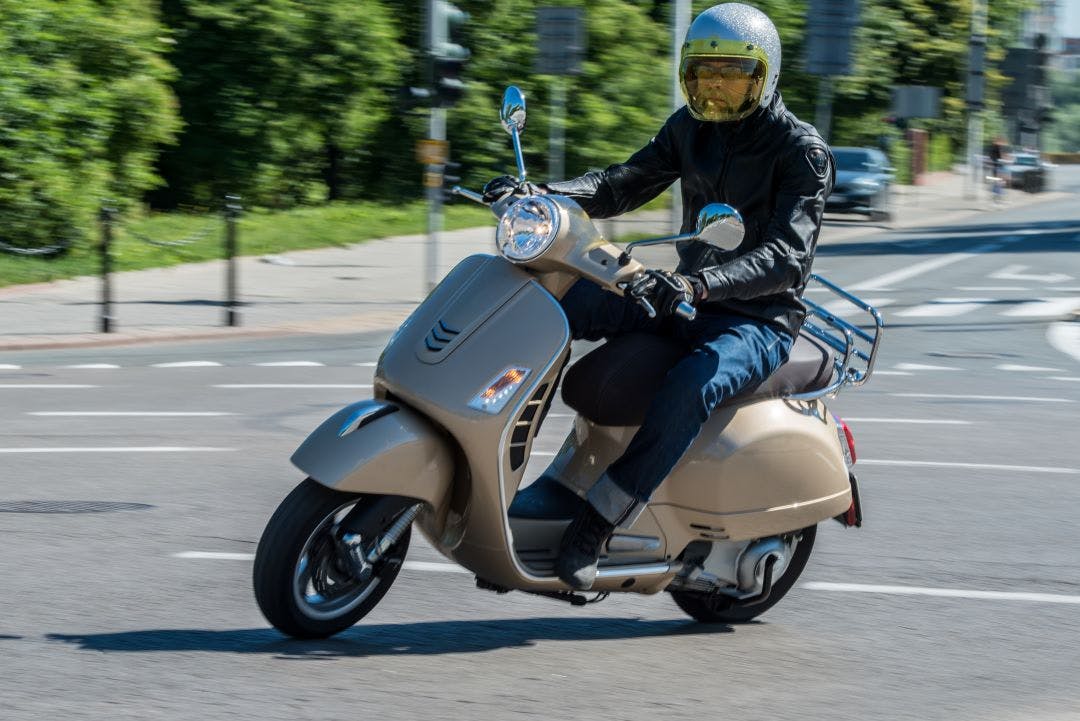
While Vespas are perfect for city commuting, many riders wonder about their performance on highways. Here’s what you need to know:
Engine Power
Vespa scooters come in various engine sizes, typically ranging from 50cc to 300cc. For highway riding, a scooter with at least 150cc is recommended, as it provides sufficient power to keep up with traffic and handle inclines. Those small Vespas you see on Instagram travel accounts? They’re usually not suitable for highways.
Speed and Stability
Smaller engine models, like the 50cc scooters, can really only comfortable reach up to 40 mph before they max out.
Larger engine models, like the Vespa GTS 300, can reach speeds of up to 80 mph, making them capable of highway travel. However, it’s important to note that while they can handle highway speeds, they are best suited for short highway trips rather than long-distance travel.
Wind Protection
Vespas are not designed with extensive wind protection, so riding on highways where wind resistance is a factor can be challenging. Consider installing a windscreen to reduce wind impact and improve comfort.
Legal Requirements
Check your local regulations, as some areas have minimum engine size requirements for highway travel. Ensure your Vespa meets these requirements to avoid legal issues.

How Do Vespas Compare to Other Scooters?
When choosing a scooter, it’s essential to understand how Vespas compare to other models. Here’s a breakdown of the key differences:
Build Quality
Vespas are known for their high build quality and durability. Manufactured in Italy, they feature a solid steel frame that provides a sturdy and reliable ride. This sets them apart from many other scooters that use plastic components, which can be less durable.
Design and Aesthetics
Vespas are iconic for their classic design, featuring a retro look that has remained largely unchanged since their inception. This timeless aesthetic appeals to many riders who appreciate style and tradition. Other scooters may prioritize modern, sporty designs.
Performance
While Vespas offer good performance, particularly in urban settings, other scooters might excel in specific areas. For example, some scooters are designed for off-road capabilities or higher top speeds, catering to different riding needs.
Price
Vespas tend to be on the higher end of the price spectrum with their quality and brand reputation. It’s worth saying that this investment often pays off in terms of longevity and resale value. Other scooters might offer more budget-friendly options, but may not provide the same level of quality and performance.
Vespas vs. Mopeds
It’s common to hear the terms “Vespa” and “moped” used interchangeably, but there are distinct differences between the two:
Engine and Speed
Mopeds typically have smaller engines (50cc or less) and are designed for low-speed travel, often maxing out at around 30 mph. Some models of Vespas have larger engines (up to 300cc) and can reach higher speeds, making them suitable for a wider range of riding conditions.
Licensing and Registration
With their lower speed and engine size, mopeds often have more lenient licensing and registration requirements compared to Vespas. This can vary by location, so it’s essential to check local regulations.
Short vs. Long Distances
Mopeds are ideal for short, low-speed trips in urban areas. They are often used for commuting short distances or running errands. Vespas, with their higher performance capabilities, are suitable for both city commuting and longer trips, offering more versatility.
Can You Rent a Vespa?
If you’re not ready to purchase a Vespa, renting one can be a great way to experience the ride without the commitment. Here’s what you need to know about renting a Vespa:
Availability
Vespas are available for rent in many cities worldwide, particularly in tourist destinations. Rental shops often offer a range of models to choose from, catering to different preferences and needs.
Rental Requirements
To rent a Vespa, you typically need a valid motorcycle license or motorcycle endorsement. Models under 50cc in the United States can be rented with a standard driver’s license. It’s important to remember that this engine size is not suitable for highway use or speeds over 30 mph. You will need to be over the age of 21 or 25, depending on which model.

Rental Costs
Rental costs can vary widely depending on the location and duration of the rental. On average, you can expect to pay between $30 to $60 per day. Some rental shops & platforms like Riders Share offer discounts for longer rental periods or your first time renting, so it’s worth checking weekly or monthly rates if you plan to rent for an extended time.
Insurance and Safety
Rental shops and platforms offer insurance options to cover damages or theft. It’s highly recommended to opt for insurance to protect yourself from unexpected costs. Additionally, ensure that the rental includes necessary safety gear, such as a helmet. Riders Share owners often offer gear rentals for your convenience.
Rent a Vespa With Riders Share in the USA
Riders Share is an excellent platform for renting Vespas in the USA. Here’s why you should consider renting through them:
Wide Selection
Riders Share offers a wide selection of Vespas and other scooters/italian scooter brands, ensuring you can find the perfect model for your needs. Whether you’re looking for a classic Vespa or a more modern design, they have options to suit every rider.
User-Friendly Platform
The Riders Share platform is designed to be user-friendly, allowing you to easily browse available scooters, compare prices, and make reservations online. The detailed listings include information on each scooter’s features, condition, and rental terms.
Flexible Rental Terms
With Riders Share, you can choose from flexible rental terms, ranging from a few hours to several weeks. This flexibility makes it easy to find a rental period that fits your schedule and plans.
Community and Reviews
Riders Share operates as a peer-to-peer rental platform, allowing you to rent directly from other scooter enthusiasts. This community-based approach means you can read reviews from previous renters, providing insight into the quality and reliability of the scooters available.
Safety and Support
Riders Share prioritizes safety and support, offering insurance options and roadside assistance to ensure a smooth rental experience. Their customer support team is available to assist with any questions or issues that may arise during your rental period.
Conclusion
Riding a Vespa scooter combines practicality, style, and fun. Whether you’re a beginner or an experienced rider, Vespas offer a user-friendly and enjoyable ride. From city commuting to short highway trips, these scooters are versatile and reliable. If you’re not ready to buy, renting a Vespa through platforms like Riders Share provides an excellent opportunity to experience the ride without the commitment.
Remember, safety is paramount, so always wear appropriate gear and follow local traffic laws. With the right preparation and a sense of adventure, you’ll be zipping around the streets on your Vespa in no time!
Related Articles
Mon - Fri: 8-8 CT
Weekends: 9-8 CT
