Different Terrain? Different Tactics. Your Guide to Riding on all Terrains
Aug 12, 2024
Tags:guiderentersownersinfodirt-bikestreetadventuredual-sport
Riding motorcycle is not just about riding—it's about adapting to the environment around you. Whether you're weaving through city streets, climbing the trails, or trying to figure out the winter weather, each terrain demands a unique set of skills and tactics. From selecting the right motorcycle to understanding the nuanced challenges of each terrain, we’ll equip you with the knowledge you need to enhance your riding experience and keep safe.
Terrains We’ll Cover In This Blog
- Asphalt
- Gravel
- Dirt
- Sand
- Mud
- Rocky
- Snow and Ice
- Forest Trails
- Urban Streets
- High Altitude
Riding a Motorcycle on Asphalt
Best Motorcycle: Touring motorcycles with stable handling and comfortable ergonomics for long rides on paved roads.
Navigating asphalt requires knowledge of its variable conditions, ranging from hot, sticky surfaces in the summer to icy, slippery patches in the winter. Be aware of road quality and traffic laws specific to your travel area.
Riding on asphalt demands precision and focus, as high speeds and heavy traffic can increase risk factors. Always maintain a safe distance from other vehicles and be prepared for sudden stops.
Be vigilant for potholes, unexpected oil slicks, and other road surface irregularities. Regular road inspection and maintenance can vary greatly by region.
Tips:
- During rainy seasons, watch for slick, oily patches and standing water. Adapt your riding style to these wet conditions for safety.
- Be cautious during periods of low sun (dawn/dusk) as visibility can be compromised, affecting your reaction time and visibility to other drivers.
- Consider the impact of seasonal changes, such as road salt and debris during winter, which can decrease tire traction.
Riding On Gravel
Best Motorcycle: Dual-sport motorcycles equipped with knobby tires for improved traction and higher suspension to handle uneven surfaces.

Riding gravel involves understanding the terrain's loose and often shifting nature. It's important to be familiar with the specific type of gravel and its typical distribution along your planned route.
Gravel riding requires a motorcycle with the agility to handle sudden changes underfoot. Maintain a flexible posture to allow the bike to move without over-correcting, preventing skids or falls.
Prepare for varying gravel depths and sizes, which can significantly alter traction and handling. Regular routes may also dramatically change conditions with weather or use.
Tips:
- Reduce speed to improve control and response time to surface changes.
- Use tires designed for mixed surfaces to enhance grip and reduce tire wear.
- Be especially mindful of newly laid gravel, which is often looser and more dangerous to navigate.
Riding on Dirt
Best Motorcycle: Motocross or off-road motorcycles designed with light frames and responsive handling to tackle varied dirt conditions effectively.
Navigating dirt tracks demands an understanding of the soil composition and moisture levels, as these can drastically alter the terrain's consistency from loose and dusty to slick and muddy. Familiarize yourself with the track conditions before each ride.
Dirt track riding is adventurous and requires flexibility in handling, as the surface may offer inconsistent grip levels. Always be prepared to adjust your body position to maintain balance and control.
Be aware of hidden obstacles like rocks, roots, and ruts that can appear under the surface layer of dirt. Regular scouting of the track can help avoid unexpected hazards.
Tips:
- Choose appropriate tires with deep treads to manage better in both dry and wet conditions.
- Practice throttle control to prevent spinning out on loose surfaces or getting bogged down in mud.
- Be cautious during weather changes, as rain can quickly transform a dust track into a mudslide.
Riding on Sand
Best Motorcycle: Adventure motorcycles with wide tires and powerful engines to maintain momentum and floatation on sandy surfaces.
Riding on sand requires techniques and understanding unique to this deceptively tricky terrain. Knowing the type of sand—whether it's deep and loose or packed and wet—can influence your riding strategy.
Sand demands a high skill level to navigate effectively, as the loose surface can cause the motorcycle to sink or drift unexpectedly. Speed and momentum are your friends here, helping to keep the bike afloat on the sand.
Prepare for the physical exertion of riding on sand, which can tire out even experienced riders more quickly than other terrains. Regular breaks and hydration are important.
Tips:
- Deflate tires slightly to increase their surface area for better traction.
- Keep your speed consistent, and use the rear brake more than the front to avoid burying the front wheel.
- Lean back to distribute your weight and prevent the front wheel from digging into the sand.
Riding on Rocky Terrain
Best Motorcycle: Trial bikes or enduro motorcycles with high ground clearance, robust suspension systems, and tires designed for maximum grip on rocky surfaces.
Navigating rocky terrain involves an acute awareness of your surroundings and the ability to anticipate and react to obstacles. Each rock and boulder presents a potential challenge or stepping stone, depending on your perspective and approach.
Rock riding requires precise control and the ability to maneuver over or around large obstacles. You will definitely need good suspension and tire integrity for absorbing impacts and maintaining grip.
Be prepared for sudden changes in elevation and potential hazards hidden among the rocks. Regular route planning and slow riding can help mitigate risks.
Tips:
- Use a higher gear to lower the torque and reduce wheel spin on loose rocks.
- Focus on picking a line that avoids the largest rocks to maintain a smoother ride.
- Practice balance and technical climbing techniques to overcome larger obstacles.
Riding on Snow or in Winter Conditions
Best Motorcycle: Choose motorcycles that are equipped with features suited for winter riding, such as winter tires that maintain flexibility in cold temperatures, heated grips to improve comfort, and enhanced suspension to cope with less predictable surfaces.
Generally, we don’t recommend riding motorcycles in snowy or icy conditions because to the high risks associated with poor traction and the increased likelihood of accidents. Snow and ice can dramatically reduce the motorcycle's grip on the road, making it difficult to control and significantly increasing stopping distances. The cold can affect both the rider's physical condition and the mechanical operation of the motorcycle, leading to potential safety issues.
If you do plan on riding in snowy or icy conditions, or if you're venturing off-road in such environments, understand the varied challenges winter weather can cause. Here’s how to approach it:
- Terrain Understanding: Know that fresh powder, while softer, can hide layers of ice or packed snow beneath that may offer unpredictable traction. Hard-packed ice, on the other hand, provides very little grip and can lead to slides.
- Riding Technique: Operate your motorcycle with excellent balance and finesse. Avoid quick or jerky movements as these can easily lead to loss of control. Use slow, deliberate movements to navigate.
- Preparation: Be vigilant for ice patches, especially in shaded areas or bridges where ice tends to form and linger. Prepare for longer stopping distances and potential sliding.
Tips:
- Traction Aids: Fit studded tires or snow chains, which can help improve grip on icy surfaces.
- Speed Management: Reduce your speed significantly to help maintain control and allow for safe stopping distances.
- Temperature Awareness: Monitor temperature changes closely, as rising or falling temperatures can affect ice melt and refreeze, altering traction levels unexpectedly.
Riding on Forest Trails
Best Motorcycle: Trail bikes, which are typically lighter and more agile, equipped with tires that can grip in loose dirt and mud, making them ideal for forest environments.
Navigating forest trails requires an understanding of the varied and often unpredictable terrain, from loose leaf litter to muddy paths and hidden roots.
Forest riding is thrilling but can be hazardous due to the natural debris and constant changes in the trail caused by weather and seasonal shifts. Maintain a vigilant watch for obstacles like fallen branches and sudden dips.
Prepare for the physical challenge of maneuvering through dense woods, which requires both endurance and agility. Regular scouting and familiarity with the trail can prevent surprises.
Tips:
- Use tires with aggressive tread patterns to handle mud and loose soil effectively.
- Keep your speed moderate to allow time to react to unexpected obstacles.
- Be mindful of wildlife and seasonal changes that may affect trail conditions, such as spring thaws or autumn leaves that can hide hazards.
High Altitude Riding
Best Motorcycle: Adventure motorcycles with high torque engines for climbing and reliable brakes for descending steep terrain safely.
Navigating high altitude mountains involves understanding the challenges posed by steep inclines, thinner air, and often unpredictable weather patterns.
Mountain riding requires powerful motorcycles that can maintain performance in thin air and handle the steep and winding roads typically found in mountainous regions. Be prepared for rapid weather changes that can include fog, rain, or snow, all of which greatly affect visibility and road condition.
Anticipate the effects of altitude on both rider and machine, with reduced oxygen levels potentially affecting physical exertion and engine performance.
Tips:
- Ensure your motorcycle is well-maintained and checked for altitude performance, particularly the fuel mixture and tire pressure.
- Carry layers of clothing to adjust to temperature changes as you ascend or descend.
- Be cautious of decreased grip and increased braking distances at higher elevations.
Motorcycle Rentals with Riders Share
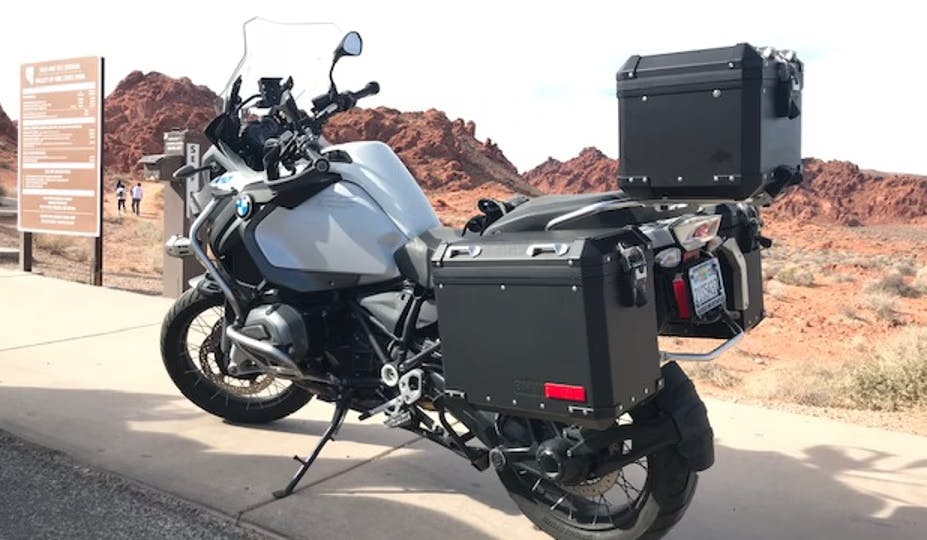
Renting a motorcycle with Riders Share offers a practical way to try different bikes suited for any terrain. Whether you're cruising on smooth highways or exploring rough trails, Riders Share has a variety of motorcycles to choose from, from touring, standard, sport, dual sport, adventure, scooters, and more! This means you can always have the right bike for the road or trail ahead, without needing to own multiple motorcycles. Each rental ensures high-quality performance and safety, letting you focus on enjoying your ride wherever it takes you.

Bottom Line
Mastering the art of riding on different terrains is a rewarding endeavor that can dramatically expand your horizons as a motorcyclist. Each terrain, from the slick ice of winter roads to the loose gravel of backcountry trails, presents unique challenges that test your skills and adaptability. By understanding the characteristics of each terrain and preparing with the appropriate equipment and techniques, you can enjoy the thrill of motorcycle riding in almost any setting. Remember, the key to successful terrain navigation lies in preparation, awareness, and respect for the natural and man-made elements that define each environment. Embrace the diversity of the landscapes available to you, and ride with confidence, knowing you are well-prepared for the adventures ahead.
Related Blogs
Related Articles
Mon - Fri: 8-8 CT
Weekends: 9-8 CT
