Our Guide to "Anti-Instagram" Travel in 2026
Jan 13, 2026
Tags:guidetravel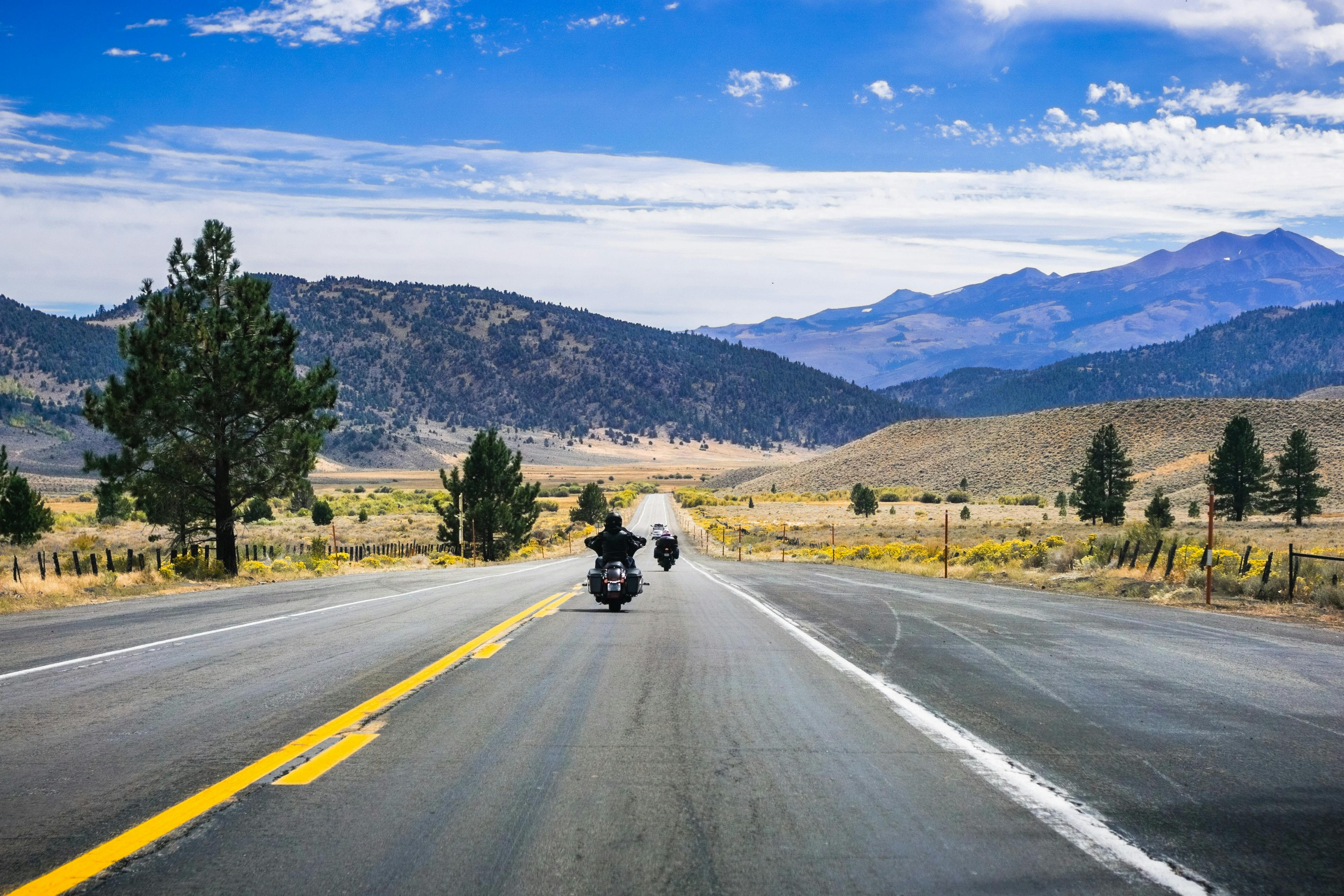
We've all seen those travel photos that look exactly the same: the same Santorini sunset from the same angle, the same overcrowded viewpoint in Bali, the same line of people waiting to recreate a shot they saw on someone else's feed. And more often than not, when you actually get to these places, they look nothing like the heavily filtered versions that inspired the trip in the first place.
Travelers are catching on. A 2025 YouGov survey found that 56% of Americans would now choose lesser-known destinations over crowded hotspots, and Timbuktu Travel reported that bookings for cultural and community experiences have doubled heading into 2026. When 80% of travelers concentrate in just 10% of global destinations, it makes sense that people are starting to look elsewhere.
That’s where the idea of “anti-Instagram travel” comes into the conversation. In this blog, we're breaking down what the movement actually means, how motorcycle travel fits into it, and 10 destinations across the US that reward curiosity over content.
What Is Anti-Instagram Travel?
Anti-Instagram travel is the conscious decision to choose destinations based on what you actually want to experience rather than what will look good in a feed. The term has been picking up steam among travel industry insiders who've noticed more travelers actively avoiding locations that have been "Instagrammed to death," as one advisor put it. The movement connects to a few bigger 2026 travel trends:
- Whycations: Trips chosen based on personal meaning instead of bucket-list checkboxes
- Hushpitality: Low-stimulus escapes focused on calm and digital detachment
- Destination dupes: Lesser-known alternatives to overcrowded hotspots
Underneath all of it is a simple realization: when a place becomes famous primarily for being photogenic, the actual experience of being there often suffers. Anti-Instagram travelers still take photos, but the difference is that the photo isn't the point of the trip.
How Can I Have a More Authentic Travel Experience?
Authentic travel usually comes down to how you move through a place, and this is where motorcycle travel has a natural advantage. There's something about being on two wheels (rather than four, or being on a plane) that goes against the performative side of travel entirely. You can't really capture wind, or elevation changes, or what it feels like to earn a view through 20 miles of switchbacks. The experience lives in the riding itself.
Why Motorcycle Travel Works for Authentic Experiences
Motorcycle travel changes your relationship with the route in a few key ways:
- You notice the in-between. When you're not just rushing between photo opportunities, the miles themselves become part of the trip.
- Detours happen naturally. An interesting road sign or a local's recommendation can redirect your whole day.
- Local connections are built in. Platforms like Riders Share connect travelers with local motorcycle owners across 2,000+ cities. Owners often share route recommendations, warn about road conditions, or point you toward spots that aren't in any guidebook.
The motorcycle rental market is growing at over 10% annually, with peer-to-peer platforms leading that growth. Riders are looking for flexibility, variety, and genuine connection to the places they're visiting.
What Are the Best Hidden Motorcycle Routes in the US?
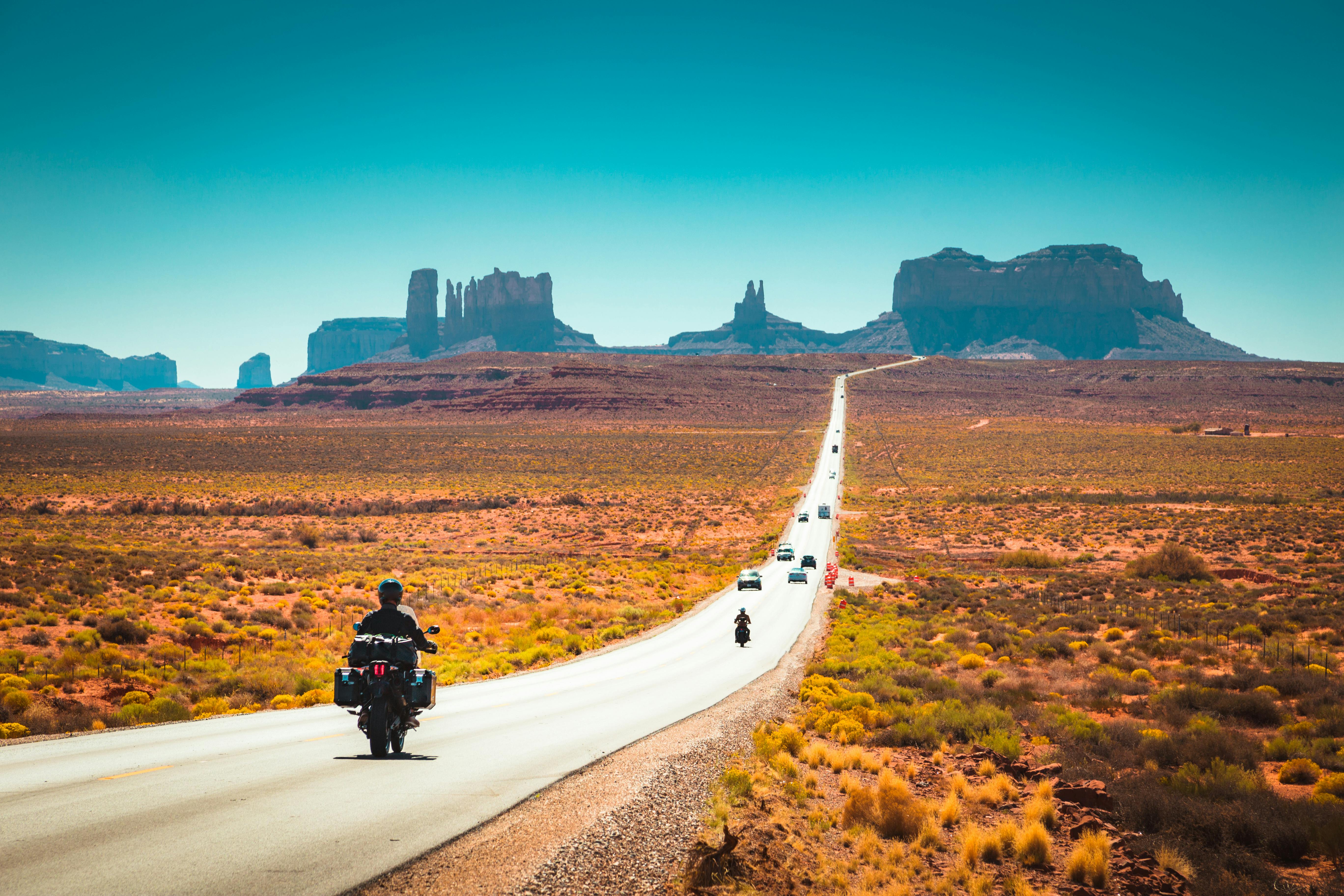
The US has over 184 federally designated scenic byways and nearly 1,300 state-designated scenic routes, yet most travelers stick to the same handful of roads they've seen on social media. Meanwhile, places like North Cascades National Park saw just 16,485 visitors in all of 2024, while Great Smoky Mountains welcomed over 12 million. The riding opportunities in this country are endless if you're willing to look past the obvious choices.
With this in mind, we put together a list of 10 unique motorcycle destinations for 2026 that offer off-the-beaten-path motorcycle routes without the crowds. Here's what we're covering:
- Apostle Islands National Lakeshore, Wisconsin
- Door County, Wisconsin
- Keweenaw Peninsula, Michigan
- New River Gorge National Park, West Virginia
- Red River Gorge, Kentucky
- San Juan Skyway, Colorado
- Capitol Reef National Park, Utah
- Palo Duro Canyon, Texas
- Guadalupe Mountains National Park, Texas
- Big Bend Ranch State Park, Texas
Apostle Islands National Lakeshore, Wisconsin
Tucked at the northern tip of Wisconsin's Bayfield Peninsula, the Apostle Islands offer the kind of slow travel motorcycle experience that's hard to find elsewhere in the Midwest. The national lakeshore includes 21 islands scattered across Lake Superior, sandstone sea caves carved by centuries of wave action, and the largest collection of lighthouses in the entire National Park system. The gateway town of Bayfield has a population under 500, which tells you everything about the pace up here.
The Route: Highway 13, also known as the Wisconsin Lake Superior Scenic Byway, runs approximately 70 miles along Lake Superior's south shore. The road hugs the coastline from Ashland to Superior, with consistent water views and minimal traffic. Most riders loop it as a day trip or combine it with the broader Lake Superior Circle Tour.
Worth Checking Out:
- Sea caves at Meyers Beach (kayak access in summer, walk-in access when the lake freezes)
- Six historic lighthouses open for guided tours during peak season
- The town of Cornucopia, Wisconsin's northernmost village
- Fall color along the byway, which rivals anything in New England
Door County, Wisconsin
Door County is a 70-mile peninsula jutting into Lake Michigan, and the loop around it delivers authentic motorcycle travel through working harbor towns, cherry orchards, and state parks that haven't been overrun by influencer crowds. Places like Fish Creek, Ephraim, and Sister Bay in Doors County still feel like functional communities rather than tourist stage sets.
The Route: Highway 42 runs up the western (Green Bay) side of the peninsula while Highway 57 covers the eastern (Lake Michigan) side. Most riders do the full loop, which totals roughly 66 miles not counting detours. The roads are well-maintained with gentle curves and consistent lake or bay views on both sides.
Worth Checking Out:
- Peninsula State Park, with 8 miles of shoreline and an observation tower
- Traditional Scandinavian fish boils at restaurants throughout the county
- Washington Island, accessible by ferry from the tip of the peninsula
- Door County's 11 historic lighthouses scattered along the shoreline
Keweenaw Peninsula, Michigan
Michigan's northernmost point juts into Lake Superior like a geographic afterthought that most travelers don't even know exists. Copper mining built this place in the 1800s, and nature has been slowly reclaiming it ever since. The Keweenaw delivers genuine edge-of-the-map isolation, the kind where you can ride for an hour without seeing another vehicle and the night skies are dark enough to see the Milky Way clearly.
The Route: US-41 runs the full length of the peninsula with minimal traffic, starting in Houghton and ending at Copper Harbor. The main route covers about 50 miles one way, but the real riding is on the side roads leading to ghost towns, abandoned mine shafts, and rocky Lake Superior beaches.
Worth Checking Out:
- Calumet's historic downtown, built during the copper boom
- The Quincy Mine Hoist, one of the world's largest steam-powered hoists
- Brockway Mountain Drive, the highest paved road between the Rockies and the Alleghenies
- Black Rocks at Presque Isle Park for swimming (if you can handle Lake Superior's temperature)
New River Gorge National Park, West Virginia
America's newest national park (designated in 2020) centers on one of the oldest rivers on the continent. The New River has carved a gorge over 1,000 feet deep through ancient Appalachian mountains, and the roads along the rim and that lower to river level are consistently ranked among the best in West Virginia. The park sees solid visitation but nowhere near the crowds at Shenandoah or Great Smoky Mountains.
The Route: Route 60 (the historic Midland Trail), Route 219, and Route 39 form the core riding network. The National Forest ride loops 195 miles through Fayetteville and Lewisburg. For a shorter option, the 123-mile National River ride follows the lowlands along the New, Gauley, and Meadow Rivers. Expect constant curves and elevation changes throughout.
Worth Checking Out:
- The New River Gorge Bridge on US-19, towering 876 feet above the water
- Hawk's Nest State Park overlook for aerial views of the gorge
- Glade Creek Grist Mill at Babcock State Park, the most photographed mill in the country
- Bridge Day in October, when BASE jumpers leap from the bridge
Red River Gorge, Kentucky
Daniel Boone National Forest contains a landscape defined by natural sandstone arches, cliff lines, and deep hollows carved over millions of years. Red River Gorge brings in climbers and hikers who are in the know, but it stays almost entirely off mainstream travel radar. The riding here rewards patience and curiosity over speed.
The Route: Routes through and around the gorge are narrow, heavily forested, and full of tight curves. The Mountain Parkway provides easy access from Lexington (about an hour's drive), and from there you can explore KY-77 (the Nada Tunnel route) and KY-715 through the heart of the gorge. The roads aren't technical, but they do demand attention.
Worth Checking Out:
- Natural Bridge, a 65-foot sandstone arch accessible by trail or skylift
- Nada Tunnel, a 900-foot tunnel carved through solid rock in 1911
- Miguel's Pizza, a legendary stop where climbers and riders cross paths
- Over 100 natural sandstone arches scattered throughout the forest
San Juan Skyway, Colorado
If you're going to ride one route in Colorado, this is probably it. The San Juan Skyway is a 236-mile loop through the San Juan Mountains that connects historic mining towns like Durango, Silverton, Ouray, and Telluride while crossing four passes above 10,000 feet. The Colorado Department of Transportation calls it one of their premier scenic byways, and motorcycle publications consistently rank it among the best rides in the country.
The Route: The full loop follows US-550 between Durango and Ouray (including the Million Dollar Highway), CO-62 to Ridgway, CO-145 through Telluride and Rico, and US-160 back to Durango. The Million Dollar Highway section between Ouray and Silverton is 25 miles of cliff-hugging road with hairpin turns, no guardrails, and Red Mountain Pass topping out at 11,075 feet. Allow a full day minimum.
Worth Checking Out:
- Natural hot springs in both Ouray and Durango for post-ride recovery
- Mesa Verde National Park, accessible via a detour near Cortez
- The historic narrow-gauge railroad between Durango and Silverton
- Fall aspen color in late September, which rivals anywhere in North America
Capitol Reef National Park, Utah
Utah's least-visited national park sits between Bryce Canyon and Canyonlands on Highway 24, which means most travelers drive right through it on their way somewhere else. Their loss. The Waterpocket Fold, a 100-mile wrinkle in the earth's crust, creates some of the most dramatic geology in the Colorado Plateau, and you can experience it without fighting for parking or dodging selfie sticks.
The Route: Highway 24 cuts through the park for about 10 miles with no entrance fee for that section. Scenic Drive extends 8 miles into the park from the visitor center, following the Waterpocket Fold through orchards and rock formations. The Notom-Bullfrog Road provides a longer backcountry option (partially unpaved) along the eastern edge of the fold.
Worth Checking Out:
- Fruita's historic orchards, where you can pick cherries, apricots, peaches, and apples in season
- Petroglyphs along Highway 24, visible from a roadside pullout
- Capitol Gorge, a narrow canyon accessible via a short hike from Scenic Drive
- Panorama Point for sunset views over the Waterpocket Fold
Palo Duro Canyon, Texas
The Texas Panhandle is flat, and then suddenly it isn't. Palo Duro Canyon drops 800 feet with almost no warning, stretching 120 miles to become the second-largest canyon in the United States. Despite its size, almost nobody outside of Texas knows it exists, making it one of the most underrated unique motorcycle destinations in the country.
The Route: Highway 217 drops from the rim down to the canyon floor through a tight series of switchbacks, with rim roads offering wide-open views before the road pulls you into the canyon. Once inside the park, the main road runs about 16 miles through the canyon floor. The approach from Amarillo (about 25 miles) crosses classic Panhandle plains before the landscape opens up.
Worth Checking Out:
- The Lighthouse, an iconic rock formation accessible via a 6-mile round-trip hike
- "TEXAS" outdoor musical drama, performed summer nights in the Pioneer Amphitheater
- Sunrise and sunset colors on the canyon walls (the reds and oranges are intense)
- Interpretive exhibits on the canyon's geology and Comanche history
Guadalupe Mountains National Park, Texas
The highest point in Texas hides in the far western corner of the state, hours from anywhere. Guadalupe Peak reaches 8,751 feet, and the national park surrounding it sees a tiny fraction of the visitors that Big Bend gets. This is slow travel by necessity. The remoteness is the point.
The Route: US-62/180 approaches the park through the Chihuahuan Desert, with stark, meditative scenery for miles in every direction. The nearest town with services (Carlsbad, New Mexico) is about 35 miles away. There's no scenic loop drive within the park itself, but the approach and the solitude are the experience.
Worth Checking Out:
- McKittrick Canyon in October and November, when the maples and oaks turn colors that rival New England
- Guadalupe Peak Trail, the highest point in Texas (8.4 miles round-trip, strenuous)
- The Pinery, ruins of a Butterfield Overland Mail stagecoach station
- Night skies with virtually zero light pollution
Big Bend Ranch State Park, Texas
Even more remote than Big Bend National Park next door, this state park covers over 300,000 acres of Chihuahuan Desert along the Rio Grande. If you want to know what authentic motorcycle travel feels like in the Southwest, this is it. Cell service doesn't exist. The roads are empty. The silence is almost disorienting.
The Route: FM 170, or River Road, runs along the Rio Grande for roughly 50 miles between Lajitas and Presidio. It’s regularly ranked as one of the best motorcycle roads in Texas thanks to its steady rhythm of curves, constant ups and downs, and the kind of emptiness that lets you settle into the ride. The road is fully paved and in good shape, but once you’re out there, it feels a long way from everything.
Worth Checking Out:
- Hot springs along the Rio Grande (ask at the park office for locations)
- The ghost town of Contrabando, a former movie set now preserved within the park
- Night skies that are among the darkest in North America
- Big Hill Overlook for panoramic views of the Rio Grande and Mexico
Find Your Route (and a Motorcycle Rental) on Riders Share
These 10 destinations have one thing in common: they're better experienced than photographed. If you're ready to skip the crowds and ride somewhere that actually rewards curiosity, Riders Share has adventure motorcycle rentals available near most of these routes. Over 286,000 trips have started on the platform, and yours could be next. Browse motorcycle rentals in a city near you and see what's out there.

Related Articles
Mon - Fri: 8-8 CT
Weekends: 9-8 CT
