Riding a Motorcycle in the Winter: Can You? Should You?
Nov 10, 2024
Tags:guidetips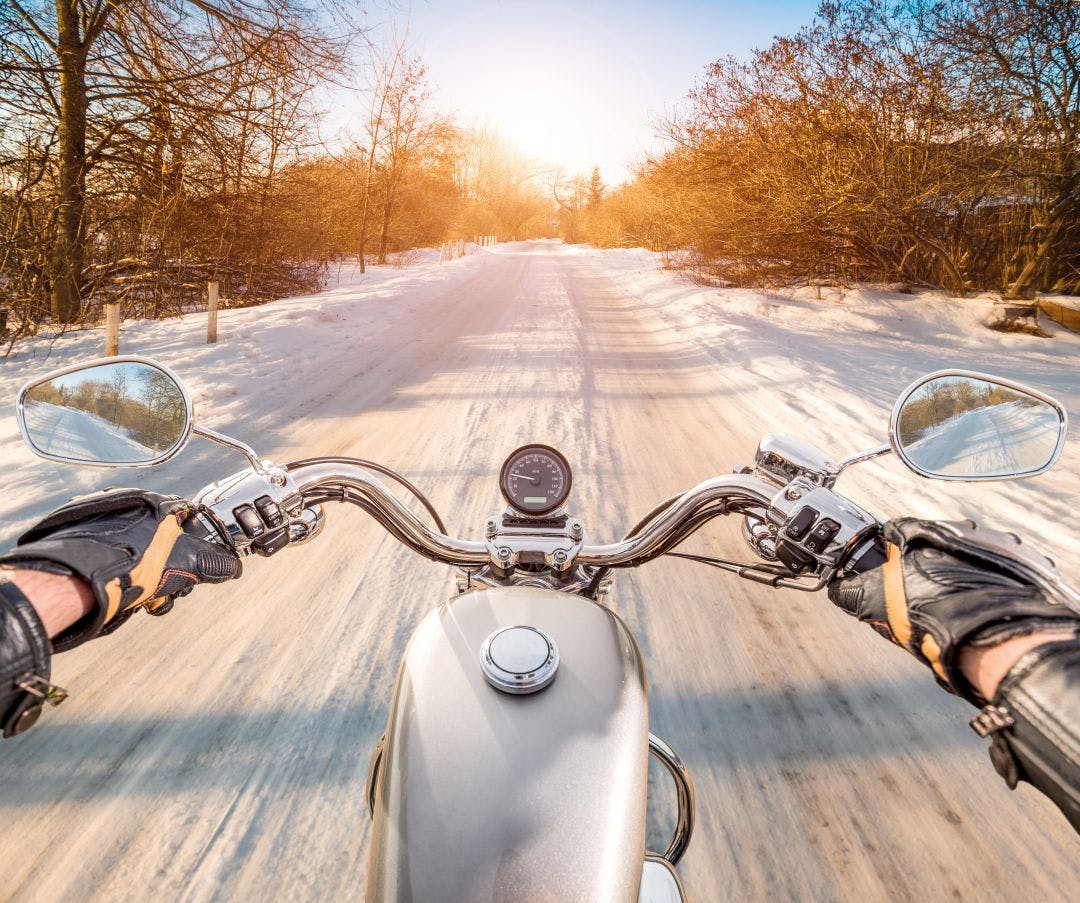
Winter can be a challenging season for motorcyclists. As temperatures drop and conditions become more unpredictable, many riders wonder: Can you ride a motorcycle in the winter? Should I even try? For most, autumn marks a close to the riding season, and as the cold weather months settle in, your bike goes into hibernation.
But, with the right preparation and gear, winter riding is possible—but it's not without risks. In this guide, we’ll cover essential tips to help you stay safe while navigating cold weather, icy roads, and unpredictable conditions.
DISCLAIMER: Riding in snow, ice, or freezing temperatures can put you at risk of hypothermia and motorcycle accidents. Don’t go riding if you don’t feel comfortable, and be smart about checking the weather before you set off.
Short Answer: Can You Ride a Motorcycle in the Winter?
Yes, you can ride a motorcycle in the winter, but it requires specialized gear and extra safety measures. Equip your bike with winter-specific tires, wear heated gear, and reduce your speed to adjust for reduced traction and increased stopping distances in cold, icy conditions.
Is It Safe to Ride a Motorcycle in the Winter?
Riding a motorcycle in winter can be safe if you take proper precautions. Winter conditions, like cold temperatures, ice, and reduced visibility, significantly affect both the rider and the motorcycle. If you’re new to riding, it’s better to avoid snow or ice altogether, but for seasoned riders, winter riding can be managed with the right approach.
The biggest concerns for winter riding include:
- Reduced tire traction: Cold temperatures make your tires stiffer, which reduces their grip on the road.
- Weather unpredictability: Sudden storms, black ice, and frosty roads can create dangerous situations quickly.
- Rider fatigue: Cold weather reduces your body’s ability to function properly, leading to slower reaction times and decreased physical control.
Despite these risks, winter riding can be done safely if you’re well-prepared.
Essential Tips for Winter Motorcycle Riding
1. Check the Weather Before You Ride
Before heading out, always check the weather forecast. Cold fronts can move in quickly, turning clear skies into snow-covered roads in a matter of hours. Monitoring the weather helps you plan your ride, avoiding dangerous conditions like snowstorms or freezing temperatures. Additionally, account for wind chill, which makes the air feel even colder when riding at speed.
2. Layer Smarter, Not Thicker
Staying warm on a motorcycle in the winter is all about smart layering. The best strategy is to wear layers that trap warmth and wick moisture without restricting your movement:
- Base Layer: A thin, moisture-wicking material like polyester or merino wool.
- Insulation Layer: A mid-layer made of fleece or wool for warmth.
- Outer Shell: A waterproof, wind-resistant motorcycle jacket to block cold air.
- Neck and Head Protection: Don’t forget a windproof neck gaiter and a helmet with a face shield to protect exposed skin from the cold.
Prioritize keeping your core warm, as this will help your body maintain overall warmth. You can always remove layers if you warm up, but it’s much harder to regain heat once you’re too cold.
3. Invest in Heated Gear
Heated motorcycle gear can be a lifesaver during cold rides. Heated gloves, vests, and grips help keep your extremities warm, which is crucial for maintaining control of the bike. These items are powered by your bike's battery or their own power source, and many systems integrate seamlessly into your riding setup without extra wires.
Make sure your heated gear is waterproof or covered by a waterproof layer—getting wet in freezing conditions will rapidly decrease your body temperature.
4. Cold-Weather Motorcycle Maintenance
Your bike is just as affected by the cold as you are. To ensure safe winter riding, follow these maintenance tips:
- Tires: Cold temperatures stiffen tires, reducing grip. Ensure your tires are properly inflated, in good condition, and consider using all-season or winter-specific tires.
- Fluids: Cold weather affects the viscosity of your bike’s oil, making it thicker. Check your manual to see if you need a different oil type for lower temperatures.
- Battery: Cold temperatures reduce your battery’s efficiency, so always check it before riding. Carry a battery jump starter, just in case.
Additionally, avoid weaving back and forth to heat your tires. Instead, use gentle acceleration and deceleration to generate heat without over-stressing the tires on icy roads.
Winter-Specific Motorcycle Modifications
Making some simple modifications to your bike can make winter riding more comfortable and safer:
- Larger Windscreen: This will reduce wind hitting your body, helping you retain heat.
- Heated Handgrips and Seats: These modifications can keep you warmer for longer, helping to prevent cold-induced fatigue.
- Handguards: Blocking the wind from your hands will significantly improve your fingers' warmth and ability to maintain control of the bike.
Stay Mentally and Physically Sharp
Cold weather can quickly lead to fatigue, and the early stages of hypothermia can impair your judgment and physical ability to control the bike. Symptoms include shivering, stiff hands, slower reaction times, and even mental confusion. If you notice these signs, it’s time to pull over and warm up.
Be mindful of how cold weather is affecting you. Increase your visibility with high-visibility gear or reflective tape and extend your following distance to compensate for longer stopping times and other drivers not expecting to see a motorcycle on the road.
Know When to Call It Quits
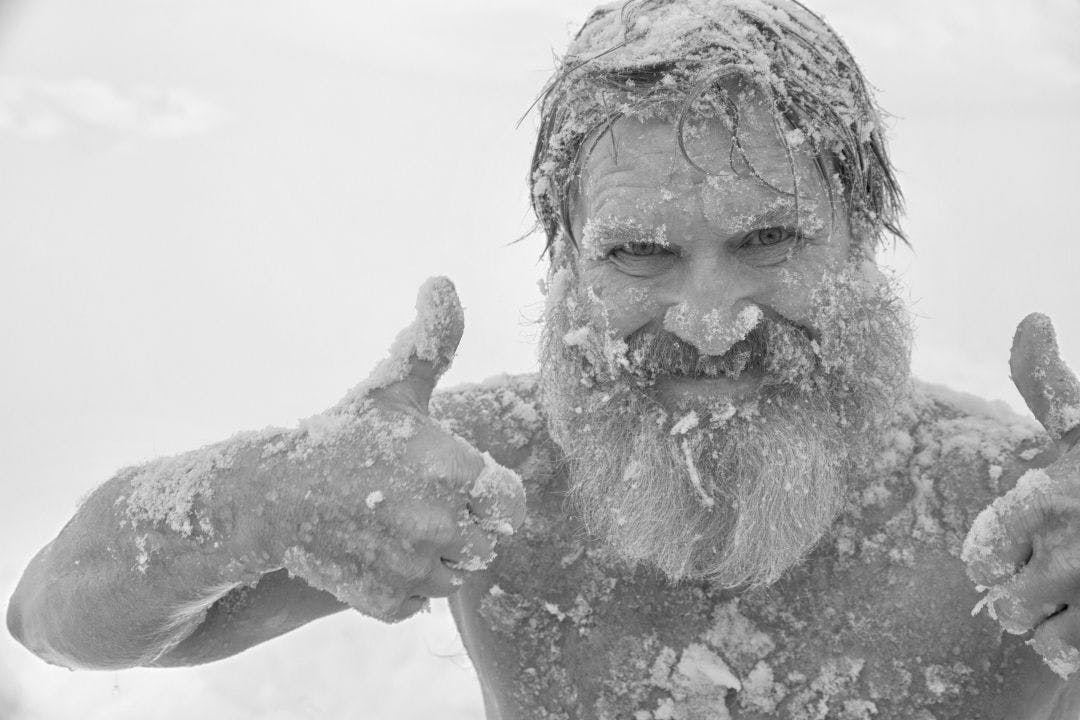
If conditions are too harsh, such as icy roads or temperatures below freezing, it's best to avoid riding altogether. No amount of gear or preparation will compensate for dangerously slippery roads or visibility issues caused by snow. If you're ever in doubt, find a warm place to park and wait it out, or postpone your ride for a clearer day.
Quick Fixes for Unexpected Cold
Even if you plan well, you might still get caught in unexpectedly cold conditions. Here are some quick hacks to stay warm and safe until you get home:
- Do some push-ups or jumping jacks during a break to boost circulation without sweating.
- Improvise insulation with newspapers or garbage bags from a gas station if you’re underdressed. This is a last-ditch effort here- if you can get better insulation, do it.
- Eat a snack to boost your body’s heat production.
Year-Round Motorcycle Rentals with Riders Share
If you're eager to keep riding through the winter, Riders Share offers a variety of motorcycle rentals, including models suited for colder conditions. With bikes equipped for winter weather and the right gear, you can enjoy the thrill of riding even in chillier months.
Not feeling the cold?
We get it. No problem—explore rentals in warmer destinations where you can hit the road without worrying about icy conditions. Whether you’re looking to experience winter riding or escape to milder climates, Riders Share has a wide selection of motorcycles to match your needs.

Conclusion: Can You Ride a Motorcycle in the Winter?
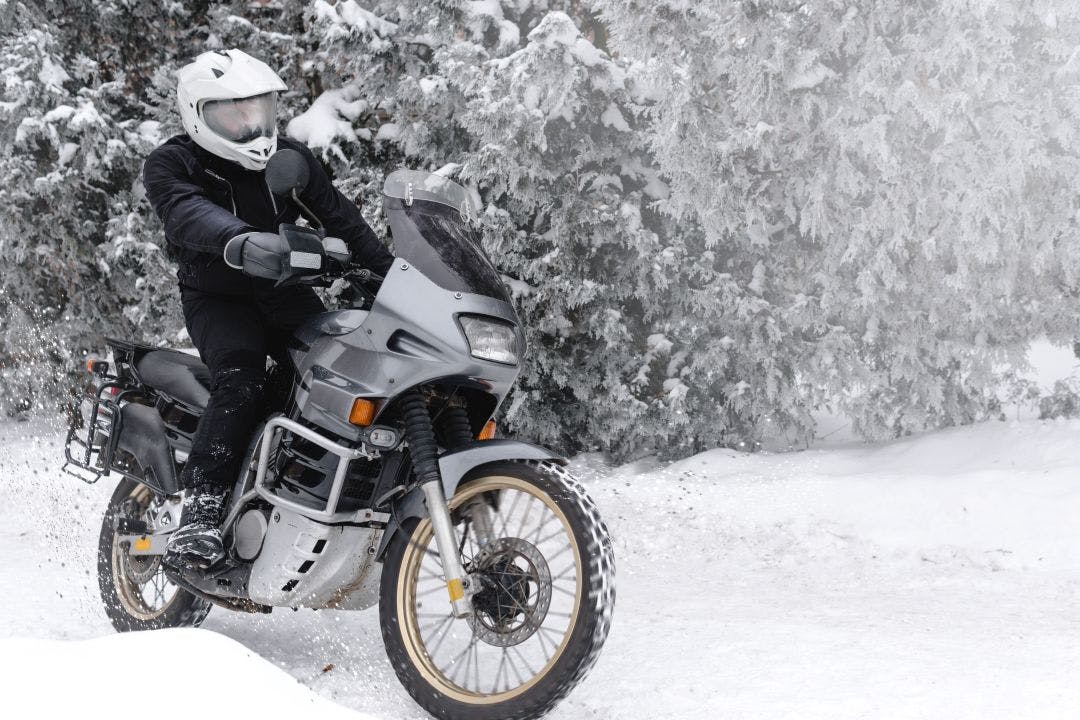
Yes, you can ride a motorcycle in the winter, but it’s not for the faint of heart. You can navigate cold weather conditions safely with the right gear, preparation, and mental alertness. However, always weigh the risks, and if road conditions are dangerous, it’s best to leave your bike parked and wait for better riding weather.
Related Articles
Mon - Fri: 8-8 CT
Weekends: 9-8 CT
