Most Fuel-Efficient Motorcycles of 2025: Real MPG, Tank Range & Cost per 100 Miles
Nov 24, 2025
Tags:guiderenterownerbest-of
Did you know some motorcycles can get well over 100 miles per gallon? If you're looking to cut back on gas costs or want something that's easier on your budget, a fuel-efficient motorcycle might be exactly what you need. The most economical motorcycle isn’t just cheap to run—it’s usually lightweight, simple to maintain, and surprisingly capable for daily riding. And with so many newer models focused on efficiency, you no longer have to trade performance for savings. In this blog, we’ll break down what makes a motorcycle fuel-efficient, how MPG is calculated, and which models offer the best fuel consumption motorcycle options available right now.
Quick Answer: The most fuel-efficient motorcycle is the Honda CB125F at 130+ MPG,
followed by the Honda Grom (100-120 MPG) and Honda PCX150 (100+ MPG). For riders
needing highway capability, the Honda Rebel 300 delivers 70-80 MPG in a cruiser format.
At $3.50/gallon and 10,000 miles per year:
- Honda CB125F (130 MPG): $269/year in fuel
- Honda Grom (110 MPG): $318/year in fuel
- Honda Rebel 300 (75 MPG): $467/year in fuel
- Average Car (30 MPG): $1,167/year in fuel
Annual savings vs. average car: $700-$900
Most Fuel-Efficient Motorcycles by Category
- Best for Absolute Fuel Economy: Honda CB125F (130+ MPG)
- Best for New Riders: Honda Navi (automatic, low seat, 75 MPG)
- Best for City Commuters: Honda Grom (100+ MPG, nimble, fun)
- Best for Highway Capability: Honda Rebel 300 (70-80 MPG, cruiser comfort)
- Best Fuel-Efficient Scooter: Honda PCX150 (100+ MPG, storage space)
- Best for Light Off-Road: Suzuki DR200S (85-90 MPG, dual-sport)
- Best Budget Option: Honda Navi ($1,807, 75 MPG)
1. Honda CB125F
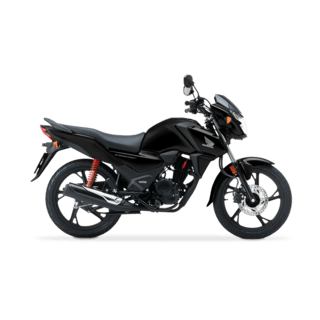
- Engine: 124cc air-cooled single-cylinder, fuel-injected
- Fuel Economy: 135 MPG (estimated)
- Tank Size: 2.9 gallons
- Estimated Range: 390+ miles
- Seat Height: 30.7 inches
- Curb Weight: 258 lbs
- Best For: Maximum fuel efficiency, daily commuting, beginners
- Price Range: $2,500–$3,000
The Honda CB125F is a true commuter bike that keeps things simple in the best way. With its air-cooled 124cc engine and fuel-injection system, it’s designed to be efficient without needing much from the rider. It’s lightweight and easy to handle, which makes it a great choice for beginners or anyone who wants a no-fuss ride through city traffic. The upright seating position and minimal controls make it comfortable for everyday use, and it consistently ranks among the most economical motorcycles available. For those focused on saving money without giving up reliability, this is one of the best places to start.

2. Yamaha NMAX 125
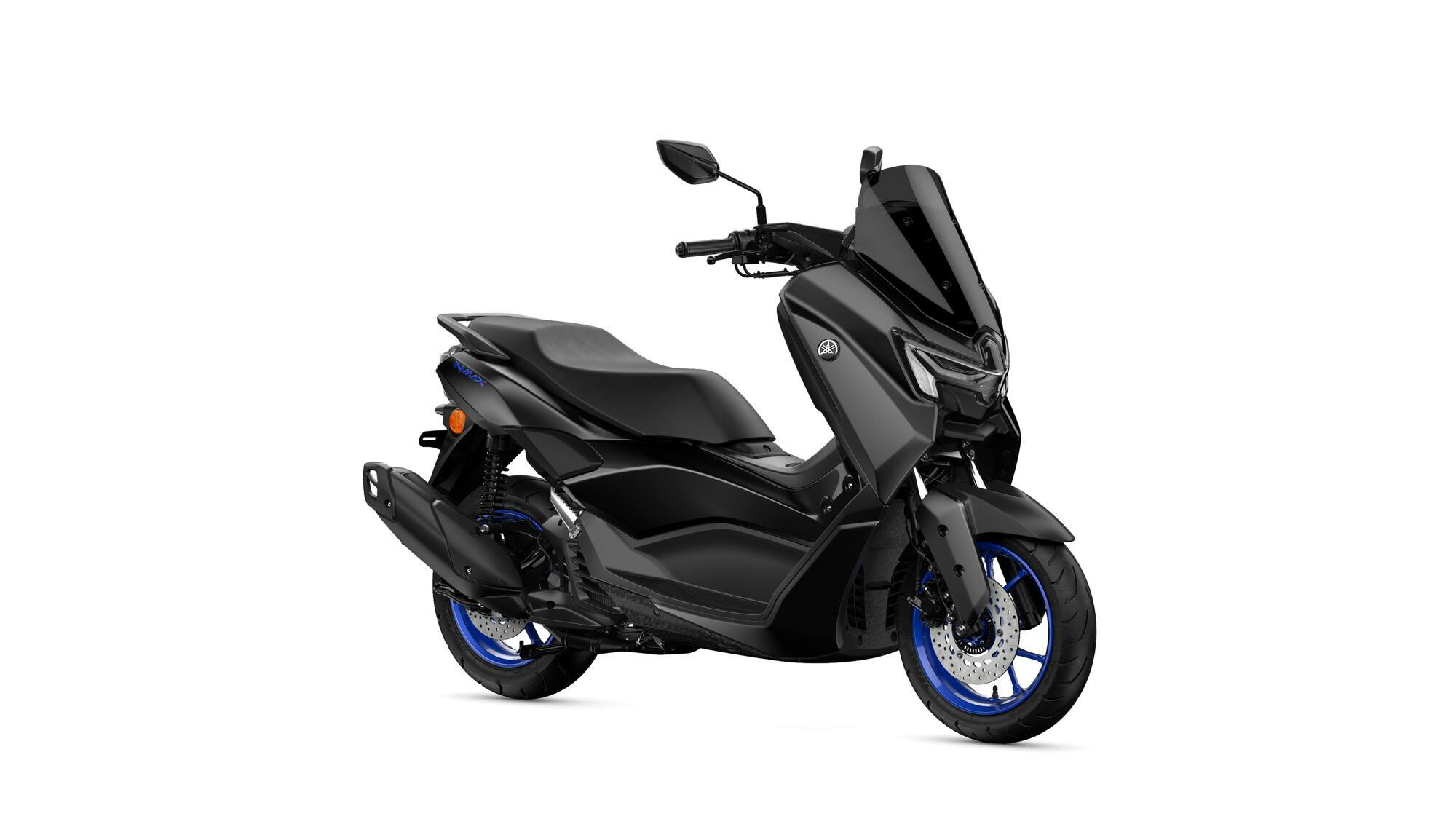
- Engine: 125cc liquid-cooled single-cylinder, fuel-injected
- Fuel Economy: 125 MPG (estimated)
- Tank Size: 1.8 gallons
- Estimated Range: 225 miles
- Seat Height: 30.3 inches
- Curb Weight: 278 lbs
- Best For: City commuting, stop-and-go traffic, storage needs
- Notable Feature: Stop-start system for fuel savings at lights
- Price Range: $3,699–$4,000
The Yamaha NMAX 125 blends comfort and efficiency in a compact scooter that’s built for everyday travel. It uses a liquid-cooled engine that delivers smooth performance while keeping fuel consumption low. One standout feature is its stop-start system, which shuts the engine off at stops to save fuel, then starts back up when you twist the throttle. It also offers under-seat storage, a comfortable seat for longer rides, and a relaxed riding position that’s ideal for city streets. If you’re looking for a practical way to get around that also helps you cut down on fuel costs, the NMAX 125 is a strong option.
3. Honda Grom
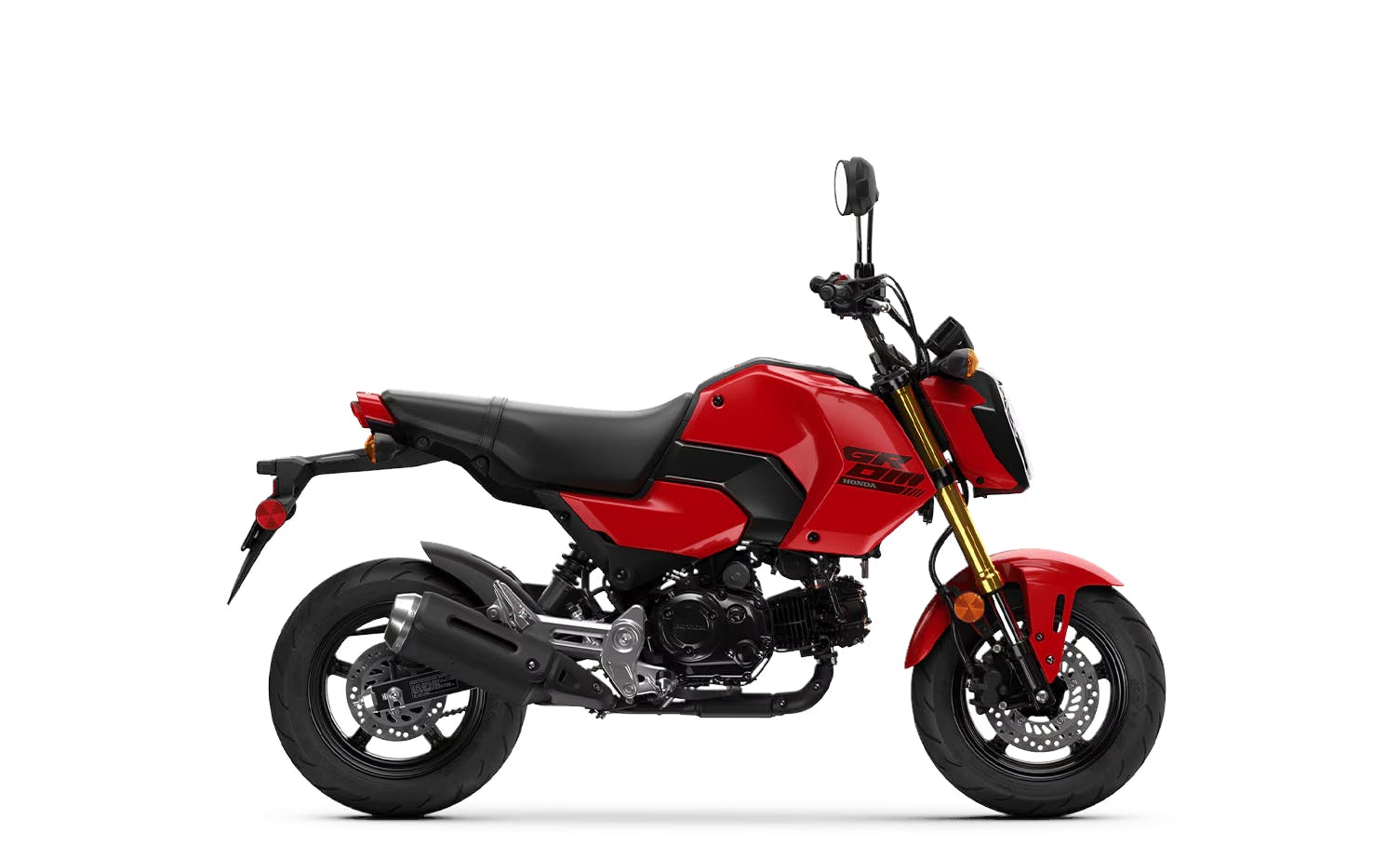
- Engine: 124cc air-cooled single-cylinder, fuel-injected
- Fuel Economy: 120 MPG (estimated)
- Tank Size: 1.6 gallons
- Estimated Range: 190 miles
- Seat Height: 30.0 inches
- Curb Weight: 227 lbs
- Best For: City riding, short commutes, new riders, fun factor
- Notable Feature: 4-speed manual transmission in mini format
- Price Range: $3,499–$3,699
The Honda Grom has gained a big following for its playful design and impressive mileage. Its 124cc engine doesn’t look like much on paper, but it delivers a surprising amount of fun while being incredibly easy on gas. Riders love it for short rides around town, quick errands, or as a casual commuter that’s easy to park and even easier to ride. Its small size also makes it more approachable for new riders, though plenty of experienced riders enjoy it too. With real-world MPG often reaching triple digits, the Grom is a great reminder that efficiency doesn’t have to be boring.
4. Honda PCX150
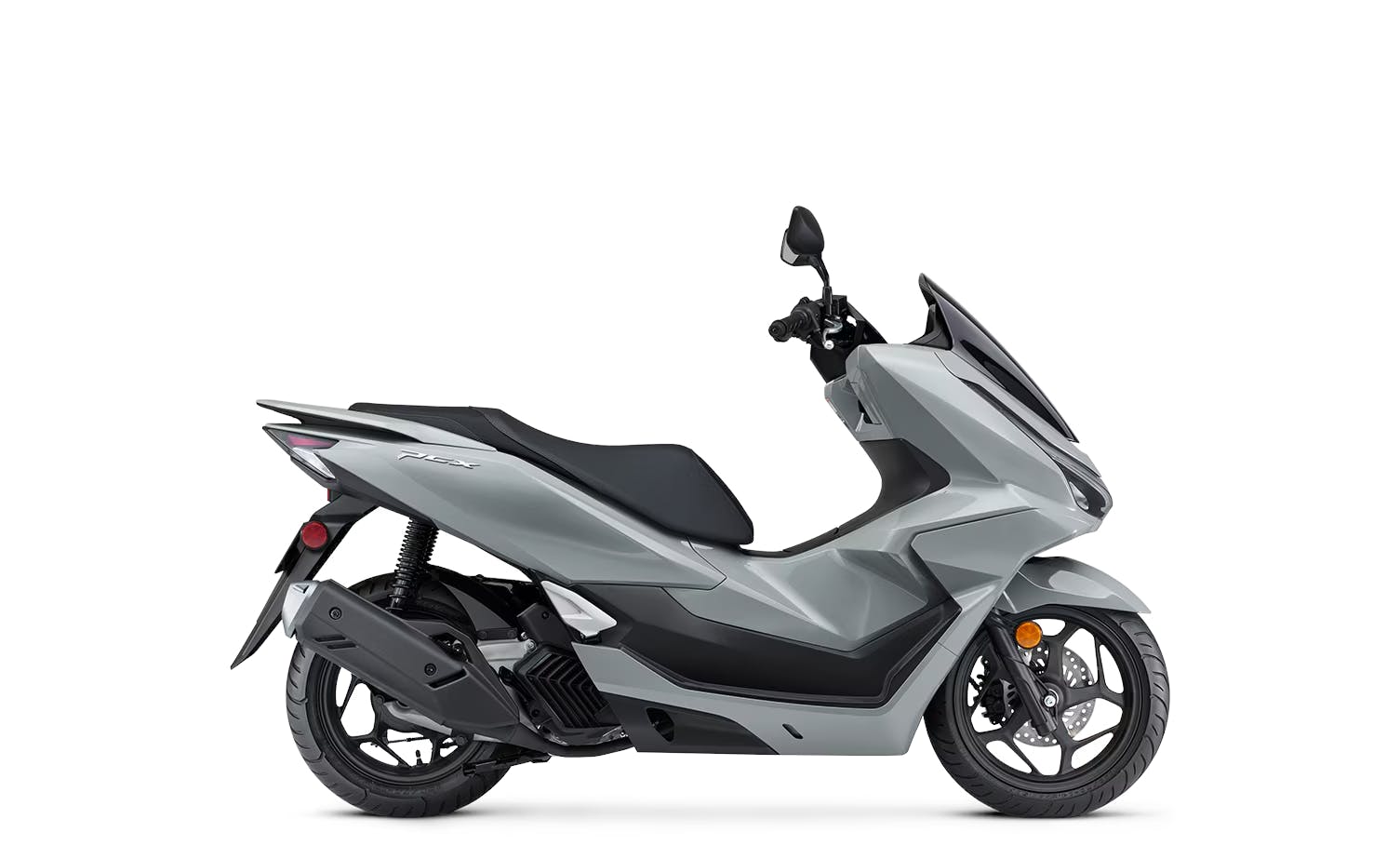
- Engine: 149cc liquid-cooled single-cylinder, fuel-injected
- Fuel Economy: 100 MPG (estimated)
- Tank Size: 2.1 gallons
- Estimated Range: 210 miles
- Seat Height: 30.1 inches
- Curb Weight: 286 lbs
- Best For: Practical commuting, scooter riders wanting comfort and storage
- Notable Feature: Spacious under-seat storage, optional top case
- Price Range: $4,099–$4,299
The PCX150 is one of Honda’s most practical scooters, and it’s often chosen by riders who want convenience, comfort, and great fuel economy all in one package. Its 149cc engine is known for being smooth and responsive, and the larger wheels give it more stability than many other scooters in its class. Riders appreciate the roomy seat, spacious under-seat storage, and the option to add a top case if needed. This scooter handles daily rides with ease and still manages to deliver impressive fuel savings, making it a reliable choice for anyone who wants more than just a basic commuter.
5. Honda Rebel 300
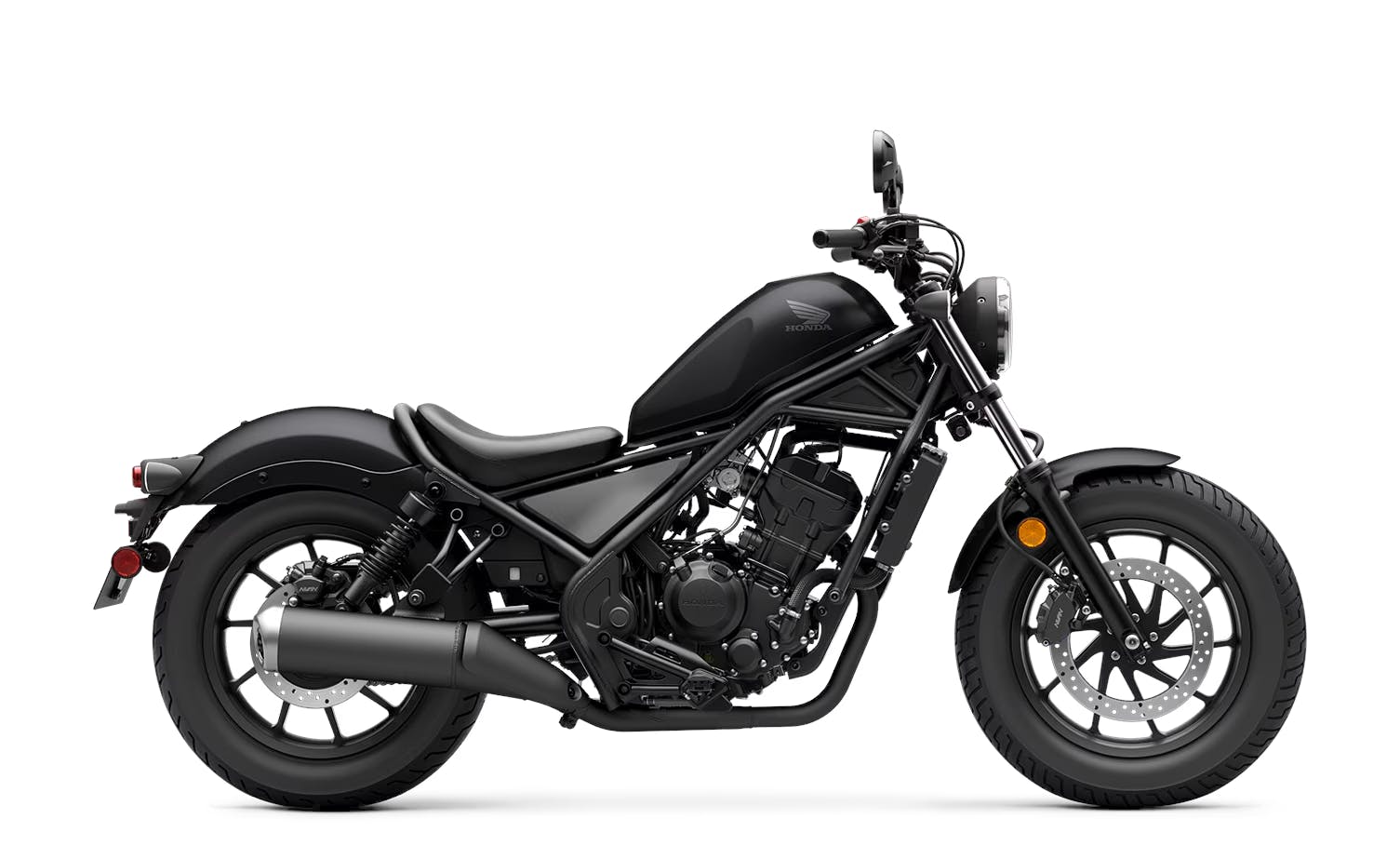
- Engine: 286cc liquid-cooled single-cylinder, fuel-injected
- Fuel Economy: 78 MPG (estimated)
- Tank Size: 2.96 gallons
- Estimated Range: 230 miles
- Seat Height: 27.2 inches
- Curb Weight: 364 lbs
- Best For: Cruiser style, low seat height, highway-capable efficiency
- Notable Feature: Lowest seat height in class at 27.2 inches
- Price Range: $4,799–$5,099
The Honda Rebel 300 is a cruiser-style motorcycle that brings together a laid-back feel and solid fuel economy. Its 286cc engine is small by cruiser standards, but it delivers enough power to make highway riding comfortable while still offering great mileage. What sets the Rebel apart is its low seat height, relaxed ergonomics, and modern styling, all of which make it approachable without feeling limited. It’s a bike that appeals to a wide range of riders, from newcomers to those looking for a fuel-efficient alternative to bigger cruisers. For everyday rides that lean more toward comfort and style, the Rebel 300 fits the bill.
6. Honda CB300R
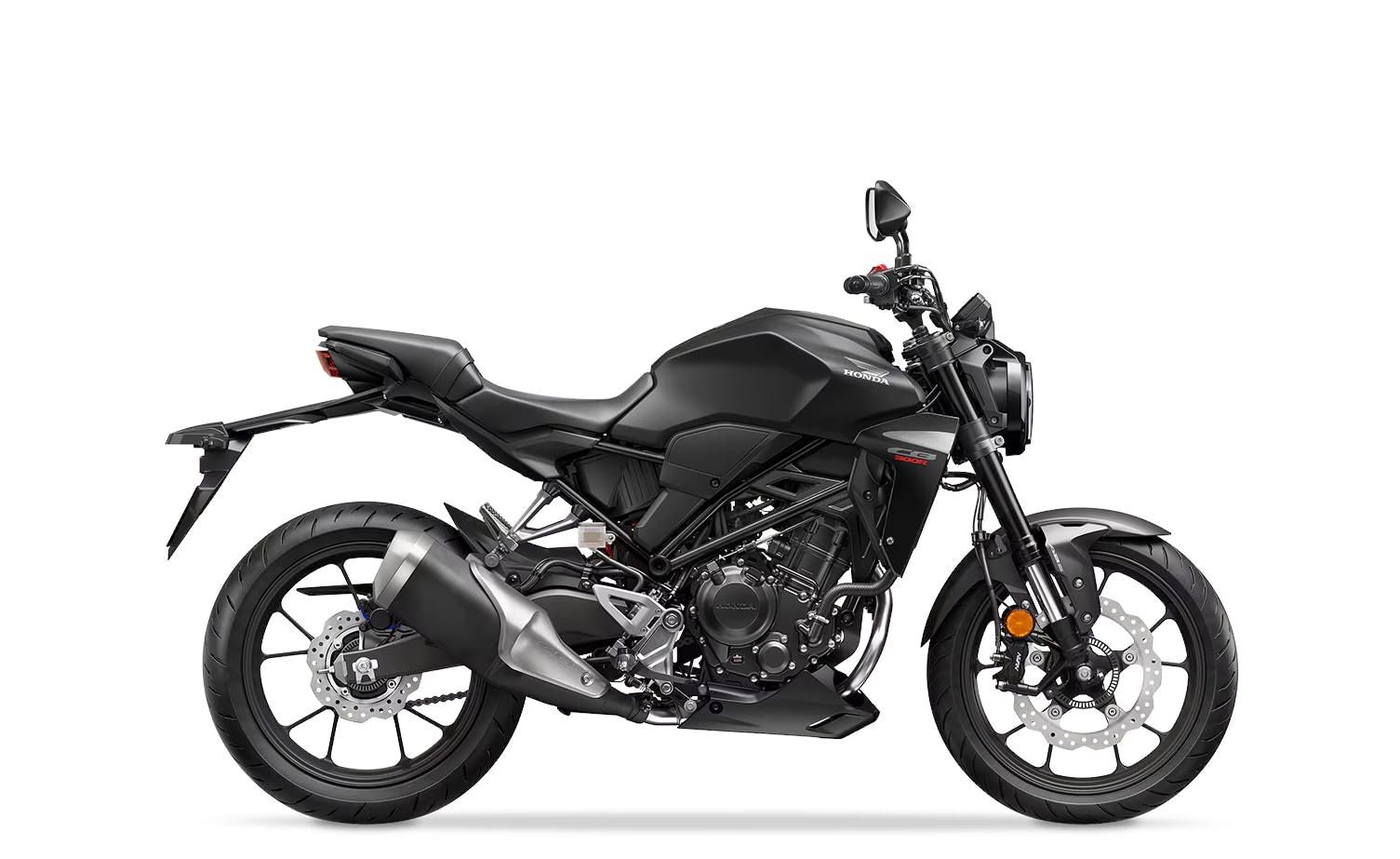
- Engine: 286cc liquid-cooled single-cylinder, DOHC, fuel-injected
- Fuel Economy: 73 MPG (estimated)
- Tank Size: 2.6 gallons
- Estimated Range: 190 miles
- Seat Height: 31.5 inches
- Curb Weight: 313 lbs
- Best For: Sporty commuting, nimble city handling, minimalist style
- Notable Feature: Neo-Sports Café styling with lightweight chassis
- Price Range: $5,149–$5,399
The CB300R is a lightweight naked bike that offers a bit more punch while still being easy on fuel. Its 286cc engine delivers smooth power for city riding and occasional highway use, and the chassis is designed to keep handling light and responsive. Riders often note how balanced this bike feels, especially in traffic or tight turns, and how little fuel it needs to get the job done. The modern styling and clean, minimalist look also give it some added appeal without making it overly complicated. If you want a motorcycle that feels sporty but still keeps fuel costs down, the CB300R is worth a closer look.
7. Suzuki GSX250R ABS
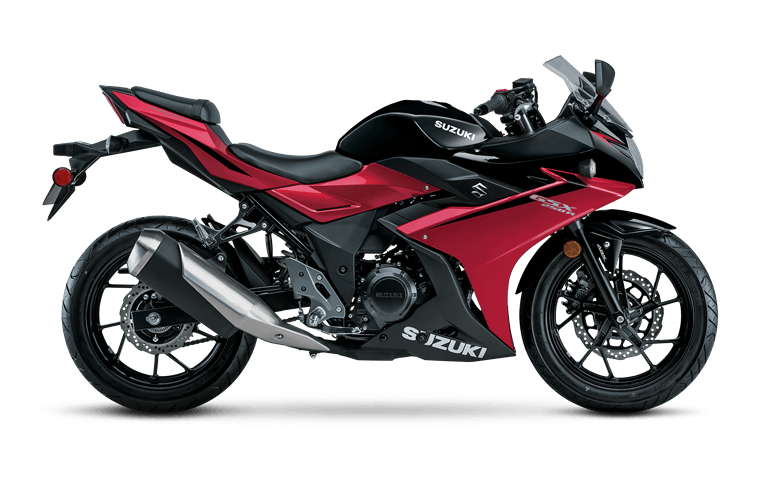
- Engine: 248cc liquid-cooled parallel-twin, fuel-injected
- Fuel Economy: 73 MPG (estimated)
- Tank Size: 4.2 gallons
- Estimated Range: 305 miles
- Seat Height: 31.1 inches
- Curb Weight: 392 lbs
- Best For: Sportbike styling with relaxed ergonomics, long-range efficiency
- Notable Feature: Full fairing with comfortable sport-touring position
- Price Range: $4,749–$5,049
The GSX250R brings sportbike styling to the fuel-efficient category, offering a 248cc parallel-twin engine that is tuned more for comfort and mileage than high-speed performance. This makes it a great choice for riders who like the look and feel of a sportbike but don’t want to deal with the usual fuel costs that come with one. The riding position is more relaxed than most bikes in its class, and it handles daily commuting or weekend rides with ease. It’s not built for speed, but it does deliver steady power and excellent gas mileage that holds up well in real-world use.
8. Royal Enfield Classic 350
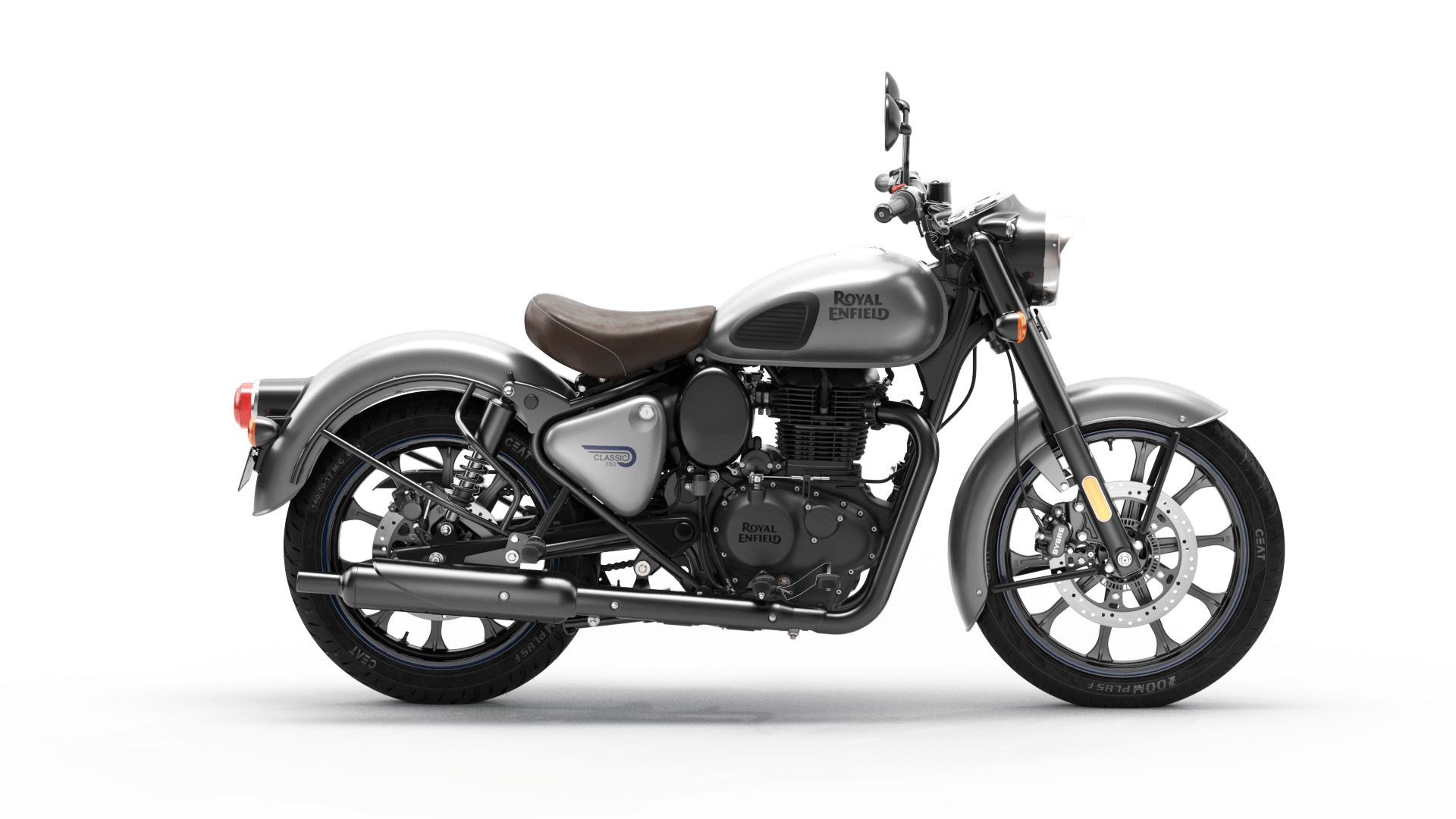
- Engine: 349cc air-cooled single-cylinder, fuel-injected
- Fuel Economy: 79 MPG (estimated)
- Tank Size: 3.4 gallons
- Estimated Range: 270 miles
- Seat Height: 31.1 inches
- Curb Weight: 430 lbs
- Best For: Vintage styling, relaxed cruising, character-driven riding
- Notable Feature: Retro design with modern fuel injection
- Price Range: $4,399–$4,699
The Royal Enfield Classic 350 brings vintage styling and a smooth, steady ride to the table, along with fuel efficiency that makes it practical for more than just looks. Its 349cc engine is built for low-end torque and mellow cruising, which helps keep fuel use under control. Riders are drawn to its timeless design, comfortable seating position, and the relaxed pace it encourages. It’s not a fast bike, but it is one that makes everyday riding feel easy and enjoyable. If you’re looking for something with character that won’t cost a lot to fill up, the Classic 350 delivers both.
9. KTM 390 Duke
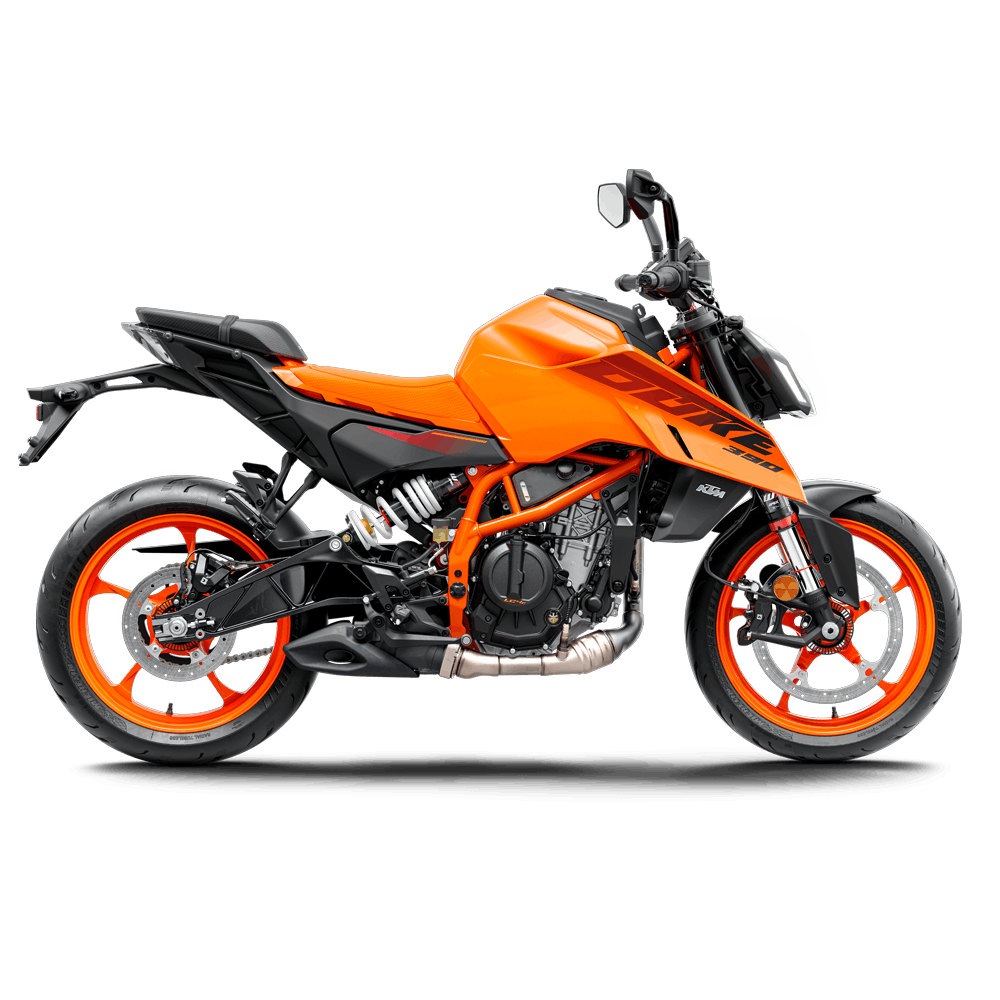
- Engine: 373cc liquid-cooled single-cylinder, DOHC, fuel-injected
- Fuel Economy: 58 MPG (estimated)
- Tank Size: 3.7 gallons
- Estimated Range: 215 miles
- Seat Height: 32.7 inches
- Curb Weight: 348 lbs
- Best For: Performance-focused riders wanting efficiency, sporty handling
- Notable Feature: TFT display, cornering ABS, quick-shifter ready
- Price Range: $5,799–$6,099
The KTM 390 Duke offers more performance than most bikes on this list but still manages to deliver competitive fuel economy. Its 373cc engine is tuned for lively acceleration and responsive handling, which makes it a favorite among riders who want something fun and capable without stepping up to a larger bike. Despite its sportier nature, it still holds up well in terms of efficiency, especially if you’re not riding it at full throttle all the time. The upright seating, light frame, and advanced tech features also make it feel more refined than most entry-level motorcycles.
10. Suzuki SV650
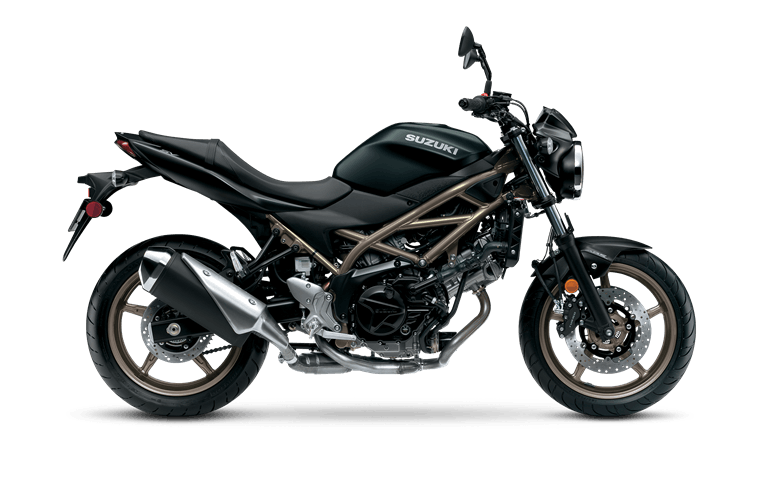
- Engine: 645cc liquid-cooled V-twin, fuel-injected
- Fuel Economy: 61 MPG (estimated)
- Tank Size: 3.7 gallons
- Estimated Range: 225 miles
- Seat Height: 31.5 inches
- Curb Weight: 432 lbs
- Best For: Versatile mid-size riding, highway comfort, proven reliability
- Notable Feature: Legendary V-twin torque with Low RPM Assist
- Price Range: $7,699–$8,199
The Suzuki SV650 has been a long-time favorite in the mid-size category, offering strong all-around performance along with solid fuel economy for its class. Its 645cc V-twin engine delivers smooth power across a wide range of speeds, which makes it just as comfortable in city traffic as it is on longer highway rides. While it won’t match the MPG of smaller bikes, it offers a good balance for riders who want more versatility without giving up fuel efficiency entirely. It’s a dependable option that’s easy to maintain, enjoyable to ride, and efficient enough to keep costs manageable over time.
What Impacts Your Real-World MPG on a Motorcycle?
Even if a bike is rated for 80 miles per gallon, that number doesn’t always match what you’ll see on the road. Real-world fuel economy depends on a few key factors that can either help or hurt how far you get on each tank.
- Riding habits are one of the biggest factors. Quick takeoffs, hard braking, and riding at high speeds can all burn through fuel faster. Keeping a steady pace, avoiding sudden throttle changes, and shifting smoothly can make a noticeable difference in how efficiently your bike runs.
- Weight also plays a role. The more your bike has to carry, whether it's a passenger, luggage, or added accessories, the harder the engine has to work. That extra strain usually leads to more fuel being used, especially on smaller or lower-powered motorcycles.
- Tire pressure affects more than just handling. Underinflated tires increase resistance between the rubber and the road, which forces the engine to use more fuel. A quick pressure check before you ride can help keep your MPG in a better range.
- Regular maintenance keeps things running efficiently. A clean air filter, properly lubricated chain, and fresh oil help your engine do its job without burning extra gas. Letting those things go might not cause immediate issues, but over time, they can chip away at your fuel economy.
- Your environment matters too. Stop-and-go traffic, short trips, and idling at lights all bring MPG down. You’ll usually get better mileage on longer rides at consistent speeds than you will weaving through traffic in town.
While you can’t control everything, staying aware of these factors and building a few good habits can help you get a lot closer to the fuel efficiency your motorcycle is designed to deliver.
Fuel Efficiency vs Performance: What Should You Prioritize?
If you're trying to decide between a bike that saves on fuel and one that offers more power, it helps to think about how and where you ride. For city streets, short commutes, or running errands, a fuel-efficient motorcycle is usually the better fit. These bikes are lighter, easier to manage in traffic, and much more affordable to fill up. They’re also simpler to maintain in most cases, which keeps long-term costs down.
But if you spend more time on the highway, ride longer distances, or plan to carry a passenger or extra gear, performance might be more important. A larger engine can handle higher speeds more comfortably and tends to be more stable when riding for extended periods. While you may end up spending more on fuel, the extra capability can be worth it depending on your needs. Some motorcycles manage to offer a solid middle ground, giving you enough power for longer rides while still keeping fuel costs reasonable.
Rent a Fuel-Efficient Motorcycle with Riders Share
Riders Share makes it easy to explore fuel-efficient motorcycles without the pressure of buying one right away. With a wide selection of motorcycle rentals available on our platform, you can test out real-world MPG for yourself and find out what works best for your daily commute, weekend plans, or longer rides. It’s a flexible way to get time in the seat, compare different models, and enjoy the savings that come with better fuel economy.

What Makes a Motorcycle Fuel-Efficient?
Fuel-efficient motorcycles are designed to do more with less. They typically have smaller engines, weigh less, and use modern technology to reduce fuel consumption. You’ll often find these bikes have:
- Lower engine displacements (usually under 500cc)
- Fuel-injection systems instead of carburetors
- Streamlined designs for better aerodynamics
- Lightweight frames that put less strain on the engine
Motorcycles that are built for city riding or beginner riders tend to be more economical because they’re tuned for reliability and steady performance rather than high speeds or aggressive riding.
How is Fuel Efficiency Calculated?
Fuel efficiency is usually measured in miles per gallon (MPG), just like it is with cars. The higher the number, the more miles you can travel on a single gallon of fuel. Keep in mind that official MPG numbers and real-world results can vary quite a bit depending on how and where you ride. MPG is affected by a few things:
- Engine efficiency: Smaller engines typically burn less fuel.
- Rider behavior: Smooth acceleration and consistent speeds help improve fuel economy.
- Terrain: City riding usually results in lower MPG than steady highway cruising.
Keep Fuel Efficiency in Mind When You Ride
Once you’ve found a motorcycle that fits your needs, it helps to keep fuel efficiency in the back of your mind whenever you get on the road. That doesn’t mean overthinking every mile, but it’s worth being aware of how small choices can shape your overall experience. Staying mindful of how your ride performs, how it feels day to day, and what kind of fuel use you’re seeing can help you understand what’s working and what’s not. The more in tune you are with your bike, the easier it is to enjoy the ride while keeping your costs in check.
Related Articles
Mon - Fri: 8-8 CT
Weekends: 9-8 CT
