Tips for How to Store Your Motorcycle for Winter
Nov 8, 2024
Tags:tipsguidestorage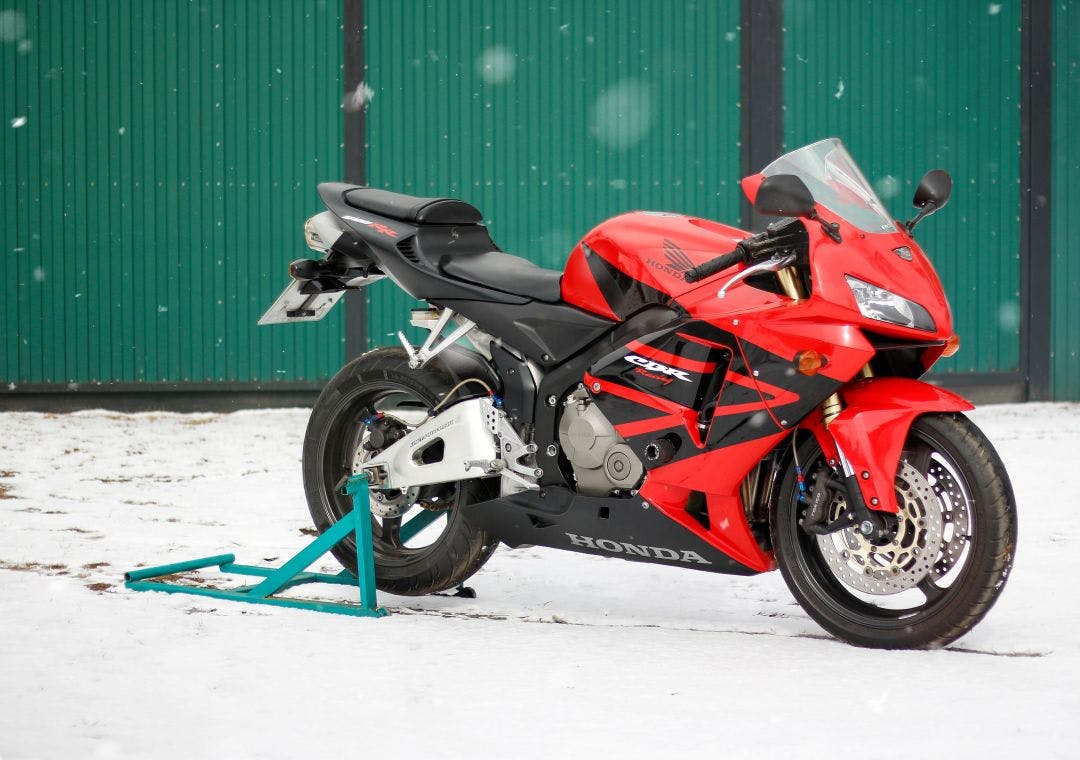
When the weather turns cold and the riding season comes to a halt, you know that it's time to prep your motorcycle to make it through the winter months. By following these simple steps, you can store your motorcycle during the winter to protect it from the elements and prevent damage so it’s ready to ride when spring rolls around.
For those who depend on their motorcycle for income: If you rent your motorcycle on Riders Share or other platforms, it’s especially important to remember that you’re not just potentially setting yourself back in both time and money. Still, you may also risk losing your rental income (in more ways than one) if you don’t maintain your bike properly.

1. Clean Your Motorcycle Thoroughly
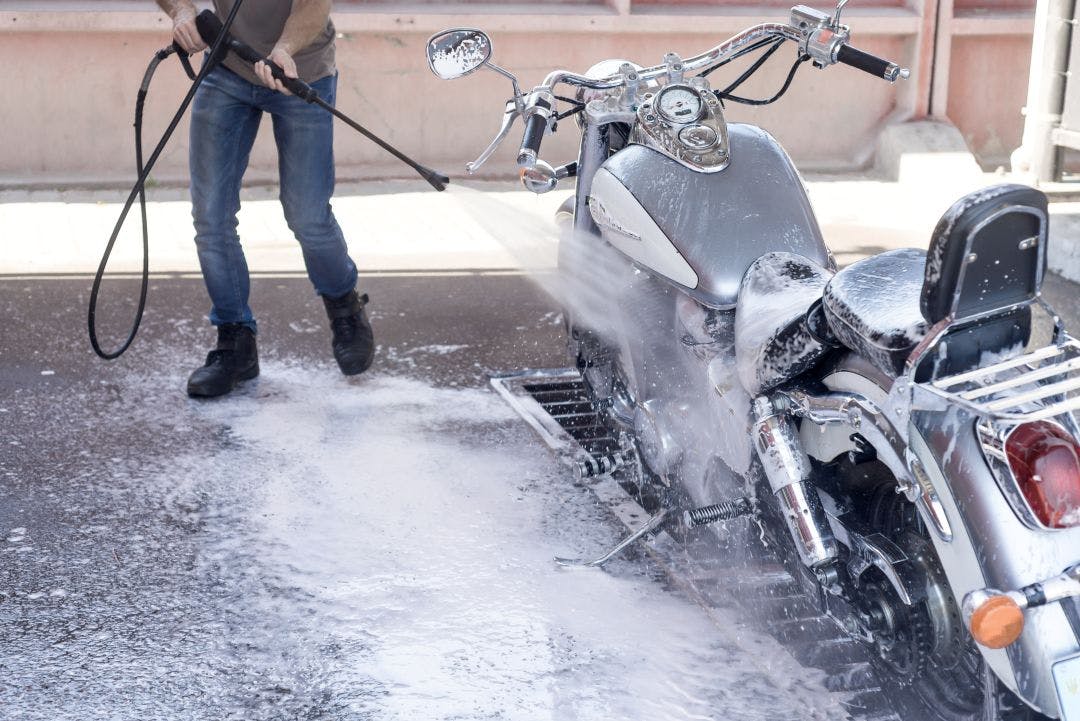
Before storing your bike for the winter, give it a thorough cleaning. Dirt, grime, and moisture can cause corrosion and rust over time. Washing your motorcycle before storage helps remove these harmful substances. Don’t forget to apply a coat of wax to protect the paint and metal surfaces, and be sure to clean and lubricate moving parts like the chain, cables, and any pivots.
Pro Tip: Some riders like to leave the wax on and buff it off in the spring, creating an extra layer of protection over the winter months.
2. Change the Engine Oil
One of the most important steps in winter motorcycle storage is changing the oil and replacing the filter. Old oil contains contaminants that can corrode the inside of your engine over time. Fresh oil provides a protective layer, keeping internal parts lubricated during storage.
After changing the oil, run the engine for a few minutes to circulate the new oil and coat all internal components.
3. Fill the Gas Tank and Add Fuel Stabilizer
A full gas tank reduces the amount of air inside, which helps prevent moisture from condensing and causing rust. Before topping off the tank, add a fuel stabilizer to prevent the fuel from breaking down. This is especially important for long-term storage, as stale fuel can clog your fuel system and cause issues when you’re ready to ride again.
Pro Tip: After adding the fuel stabilizer, run the engine for a few minutes to ensure it circulates throughout the fuel system.
4. Empty the Carburetors (If Applicable)
If your bike has a carburetor, it’s essential to drain the fuel from it before storage to prevent clogs. You can do this by turning off the fuel supply valve (petcock) and running the engine until it uses up the remaining fuel. If your bike doesn’t have a fuel shutoff, you may need to manually drain the carburetors by loosening the drain screws.
Fuel-injected motorcycles don’t require this step, so you can move on to the next task.
5. Protect Against Critters
Small animals and insects love to make a home inside your bike during winter, especially in the exhaust pipes and air intake. Block these openings with steel wool or rags to avoid any surprises when you start the bike in the spring. Be sure to remove these before starting the engine again.
6. Maintain Proper Tire Pressure or Elevate the Bike
Leaving your bike stationary in one spot for an extended period can cause flat spots on your tires. The best way to avoid this is by using a motorcycle stand to lift the tires off the ground. If a stand isn’t available, increase the tire pressure to the maximum recommended level and periodically move the bike to change the contact patch.
Pro Tip: If you use a stand, reduce the tire pressure slightly to prevent overinflation while the bike is off the ground.
7. Consider a Trickle Charger or Battery Tender
Batteries naturally discharge over time, and the cold can accelerate this process. To avoid needing a new battery in the spring, connect your battery to a trickle charger or battery tender. These devices maintain the battery’s charge safely throughout the winter.
If you don’t have access to power where your bike is stored, remove the battery and store it indoors, connecting it to the charger as needed.
8. Cover Your Motorcycle
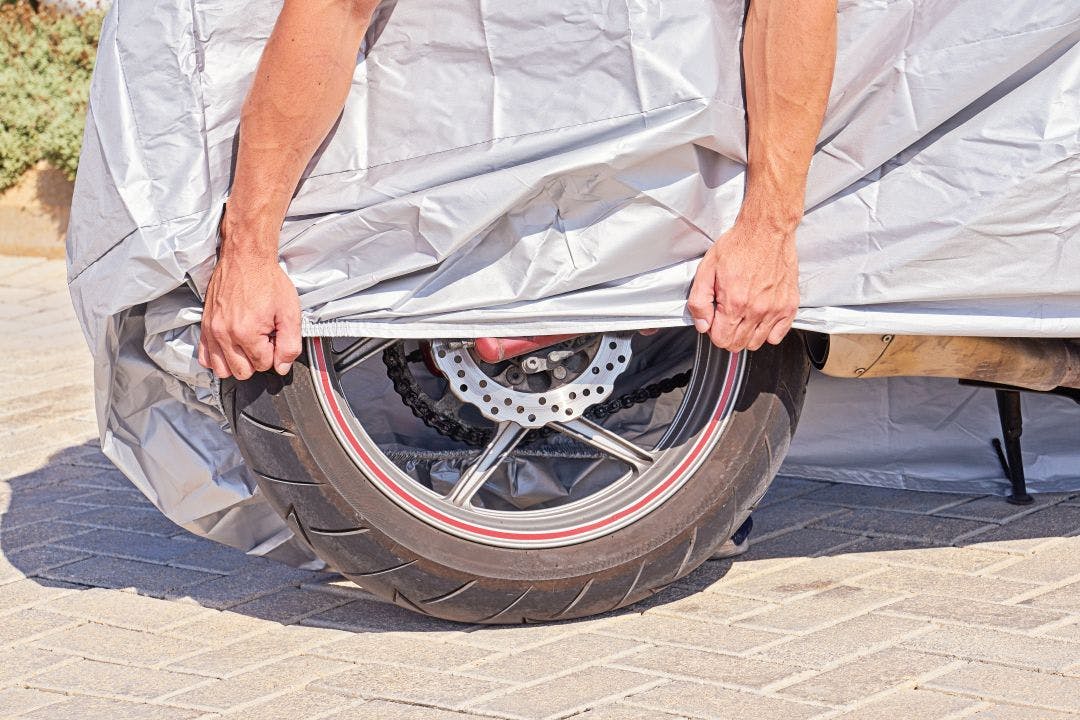
A quality motorcycle cover is your first line of defense against dust, moisture, and debris. Avoid using a plastic cover, as it can trap moisture and lead to rust. Instead, invest in a breathable cover designed for motorcycle storage. It should fit snugly over the bike and cover it entirely to provide optimal protection.
9. Choose a Proper Storage Location
Where you store your bike is just as important as how you store it. The best option is a dry, temperature-controlled garage. If that’s not available, a shed or covered outdoor area can work with the proper precautions. Be sure the space is well-ventilated, as trapped moisture can lead to rust. Avoid storing your bike near chemicals or fertilizers that can corrode metal surfaces over time.
Pro Tip: If storing your bike outdoors, consider using a dehumidifier or placing moisture-absorbing packs inside the cover for added protection.
Winter Motorcycle Storage: 3 Mistakes to Avoid
- Don’t Start the Bike Weekly: Simply starting the engine in cold weather without riding can cause moisture to build up in the exhaust and engine, which may lead to corrosion.
- Don’t Drain the Gas Tank: Leaving the tank empty increases the risk of rust forming inside.
- Don’t Use a Cheap Cover: Low-quality covers can trap moisture and cause damage to your bike.
“What Happens If I Just… Don’t Winterize My Motorcycle?”
If you store your motorcycle in a garage without winterizing or covering it, you risk several issues that could’ve otherwise been avoided. If you’re renting your motorcycle and depend on the rental income during riding season months, the below setbacks can also make a dent in profit:
- Corrosion: Dirt and moisture can cause rust on metal parts due to temperature changes.
- Engine Damage: Old, dirty oil can corrode internal components over time.
- Fuel Problems: Gasoline can degrade, leading to clogged fuel injectors or carburetors. Rust can form in an empty tank.
- Flat Tires: Tires can develop flat spots if left in the same position without proper inflation or support.
- Battery Drain: The battery may lose charge and die if not connected to a trickle charger.
- Critter Damage: Small animals may nest in open parts like the exhaust or airbox.
- Dust and Debris: Dirt and debris can accumulate, affecting performance.
Your bike may suffer damage without proper storage, leading to costly repairs and reduced performance come spring.
Final Thoughts
By properly storing your motorcycle for the winter, you can protect it from the elements and ensure it’s ready for a smooth ride when the warm weather returns. With a little preparation, your bike will stay in top condition, so you can hit the road without any issues as soon as spring arrives.
For more helpful riding tips, check out our blog for all things motorcycle-related!
Find the Best Motorcycle Rentals on Riders Share
While many riders winterize their motorcycles for the cold months, there’s still a way to enjoy riding year-round. Consider traveling to a warmer weather state and renting a bike through Riders Share, where you’ll find a wide selection of top-quality motorcycles available for rent.

If you’re not riding your bike during the winter, you can also make money by listing it on Riders Share. The process takes less than 10 minutes, allowing your motorcycle to earn you income while it’s sitting in storage. Whether you’re seeking adventure or passive income, Riders Share makes it easy to keep the thrill of riding alive.
Related Articles
Mon - Fri: 8-8 CT
Weekends: 9-8 CT
