Are Motorcycle Sales Declining? The Truth About the Industry
Oct 14, 2025
Tags:guidemotorcycle-undustryrentals
If you've been keeping tabs on the motorcycle world lately, you've probably seen some pretty concerning headlines. Industry watchers and riders are all asking the same question: Are motorcycle sales really going down?
Quick Answer: Yes, motorcycle sales are declining. New motorcycle sales fell 9.2% in the first half of 2025 compared to 2024, with only 271,205 units sold through June. The third quarter of 2024 saw a 6.2% drop year-over-year. Used motorcycle wholesale prices are softening too, with the NPA Market reporting that sport bikes are down 11% compared to July 2024, and domestic cruisers crashed 13% just between April and June 2025.
But before you start thinking this is the end of riding as we know it, there's a lot more to the story than what those headlines want you to believe. The full picture is way more interesting and honestly a lot more hopeful than you might think. Electric two-wheeler sales hit 4.4 million units globally in the first half of 2025 (up 7.2%), and the adventure bike segment is projected to grow from $14.23 billion in 2024 to $25.56 billion by 2035. With this in mind, we'll walk through what's actually happening in the industry, why it's happening, and what it means for anyone who wants to ride.
What the Sales Data Actually Shows
Let's start with the hard numbers everyone's been talking about. When you look at what's actually been sold over the past couple of years, the decline is real, but it's not happening in a straight line like you might expect.
New Motorcycle Sales Are Down Across the Board
The latest numbers confirm what industry watchers have been seeing:
- Q3 2024: Sales dropped 6.2% year-over-year.
- First half of 2025: Sales fell 9.2% compared to the same period in 2024.
- Total units sold (through June 2025): 271,205. One of the weakest starts to a year in the past decade.
But here's where it gets interesting: these motorcycle market statistics are part of a bigger and more complicated story than just numbers going down. In 2023, sales actually climbed 1.9% compared to 2022 and reached around 547,000 units. This means that the decline of motorcycle sales isn't a straight downward slide, and the market has been on a bit of a roller coaster over the past few years. Understanding why this is happening takes looking at what's really going on beneath the surface.
What Five Years of Sales Trends Tell Us
Remember the COVID boom? In 2020 and 2021, the motorcycle industry actually saw a jump in sales during that time as people looked for solo transportation and safe outdoor activities. Post-pandemic, sales began settling back to pre-COVID levels rather than continuing to climb, with European markets feeling even steeper declines in early 2025 data.
The concerning part: This isn't a temporary blip. It's a sustained downturn pointing to fundamental shifts in the market.
So, Why Are Motorcycle Sales Falling?
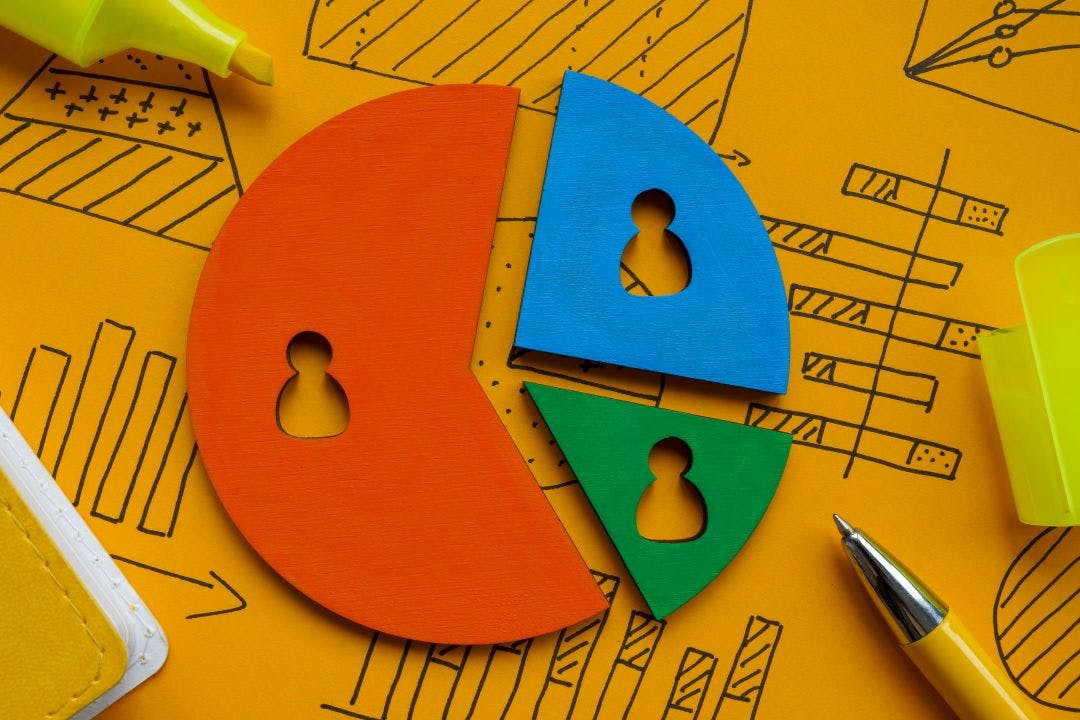
The decline in motorcycle sales isn't happening because of one single problem. It's actually a combination of factors that have all come together to make it harder for new riders to get into the sport and tougher for existing riders to justify upgrading their bikes. Here are the big ones that are really driving the decline.
1. The Rider Demographic Is Getting Older (And Younger People Aren't Replacing Them)
The core problem: The typical motorcycle owner is getting older every year, and younger generations aren't replacing them at anywhere near the same rate. Current riders mostly grew up in the 60s, 70s, and 80s when bikes were central to American culture. They're now in their 60s and 70s, and many are hanging up their helmets.
Gen Z and millennials don't have the same connection to motorcycle ownership. It's not that they don't think bikes are cool, they just don't see owning one as a priority given everything competing for their money and attention.
2. New Motorcycles Are Expensive (Like, Really Expensive)
The price of new motorcycles has climbed steadily over the past decade:
- Popular models: Often exceed $15,000
- Premium adventure bikes: Easily hit $20,000 to $30,000
The True Cost of Motorcycle Ownership (First Year)
Sticker price is just the beginning. Here's what you're actually signing up for (expenses and typical cost range):
- Down payment/loan payments: $3,000 - $5,000
- Insurance (liability only): $145 - $360 annually
- Maintenance: Up to $1,000/year
- Storage (if no garage): $50 - $200/month
- Safety gear (complete setup): $1,000 - $3,000
- Registration & licensing: $100 - $500
- Tires: $300 - $600
Bottom line: A $15,000 bike easily becomes a $20,000+ investment in year one.
3. Young People Face Different Barriers Than Cost Alone
Younger generations live in a completely different world than their parents, one that doesn’t encourage motorcycle ownership like before. Living in a city is a lot more common, and it comes with its own challenges:
- Owning any vehicle feels like more trouble than it's worth
- Public transit, rideshares, and walkable neighborhoods cover most needs
- Parking and storage are constant headaches
There’s also just a shift in the mindset of our younger generation:
- Priority on experiences over possessions
- Sharing economy mindset (rent rather than own)
When you add in the separate license endorsements, training courses, and testing required in most states, it’s easy to see why many decide owning a motorcycle is just not worth the effort.
What's Happening to Used Motorcycle Prices in 2025?
While new bike sales tell one part of the story, the used market reveals something even more telling about where the industry is headed. And honestly, what's happening with used prices right now should get everyone's attention.
The Used Market Is Softening Fast
Used motorcycle wholesale prices (what dealers actually pay at auction) are declining across nearly every category. What makes this especially concerning: It's happening in ways that don't match normal seasonal patterns.
July 2025 Wholesale Price Changes (vs. July 2024)
National Powersports Auctions tracks these prices monthly. Their July 2025 data tells an important story:
- Domestic cruisers: Up 1% year-over-year, BUT crashed 13% from their April-June 2025 average (rapid deterioration)
- Motocross: Down 2%
- Dual-sport: Down 4%
- Metric cruisers: Down 6%
- Sport category (includes all street bikes): Down 11%
That sport category decline hits hardest because it represents the largest market segment—not just pure sport bikes, but the entire broad range of street bikes.
Why This Pattern Is Concerning
Wholesale prices typically decline in June after the main selling season, then climb back up late in the year as dealers stock up for spring. July 2025 showed weakness compared to both earlier months in 2025 and July 2024. This suggests the decline is steeper than recent "normal" years.
As the National Powersports Auctions report put it: "It looks as if the air has finally been let out of the balloon"—referring to all that post-COVID price inflation that kept the used market strong through 2023.
What This Means for Retail Prices
The depreciation is brutal. Motorcycles that easily sold for $12,000 just two years ago are now struggling to hit $7,500, assuming they sell at all. That's roughly 40% value depreciation in an insanely short timeframe, which is way beyond typical motorcycle depreciation curves. If you're selling or trading in right now: Expect to be shocked at what dealers are willing to offer. The market has fundamentally shifted.
Not Everything in the Motorcycle Industry Is Doom and Gloom
Here's where it gets way more interesting than just declining sales numbers. While overall motorcycle sales are going down, some segments of the market are actually thriving right now.
Electric Motorcycles Are Booming
First half of 2025 alone: Electric two-wheeler sales reached 4.4 million units globally–a 7.2% increase from the previous year. While traditional motorcycle sales decline, electric bikes are picking up serious momentum.
Why Electric Motorcycles Are Taking Off
- More people want zero-emission transportation
- Cities implementing stricter emissions regulations
- Technology keeps improving (longer ranges, better performance)
- Instant torque delivery makes them seriously fun in ways gas bikes can't match
Adventure Bikes Continue Strong Performance
Cruisers and sport bikes may have slowed, but adventure motorcycles keep performing well.
Market projections:
- 2024 value: $14.23 billion
- 2035 projection: $25.56 billion
These bikes appeal to riders wanting one motorcycle that handles everything: commuting, road trips, off-road exploring, and touring.
Is This a Crisis or Just Market Evolution?
The answer depends on your perspective. Traditional motorcycle sales are definitely declining, and that trend probably isn't reversing soon. The challenges are fundamental shifts in how people live and what they value. But calling this a "crisis" might be dramatic. The full picture shows:
- Traditional market getting smaller
- New opportunities emerging simultaneously
- Electric motorcycle growth proving people still want to ride
- Adventure segment strength confirming continued demand
How Motorcycle Rentals Are Solving the Accessibility Problem

People still want the freedom and thrill of riding, they just don't want the massive financial commitment and ongoing responsibilities of ownership. That's exactly where motorcycle rentals come in.
Why Rentals Make More Sense for Many Riders
Renting completely changes how people approach riding. You only pay for the time you actually spend on a bike. Here’s what that looks like:
- Taking a weekend trip and returning the bike when done
- Trying a specific model before deciding if it's worth buying
- Renting for a road trip without adding miles to your own bike
- Enjoying rides only when it fits your schedule
The math: Even renting once a month for an entire year often costs less than the insurance and maintenance on an owned motorcycle. That doesn’t even include loan payments, depreciation, or the time spent managing repairs and paperwork. Rentals take away those headaches so you can simply show up, ride, and return the bike when you’re finished. (See: How Much Does it Cost to Rent a Motorcycle, Really?)

Peer-to-Peer Rentals Are Changing the Game
Platforms connecting owners with riders who want short-term access have made riding more accessible than ever.
For riders:
- Lower prices (no large rental company markup)
- Wider range of options (vintage and specialty bikes)
- Personal touch from owners (helpful advice, route tips)
- Chance to explore different styles without commitment
For owners:
- Earn money from motorcycles that would otherwise sit unused
- Offset ownership costs
- Share their passion with new riders
This approach solves one of the biggest barriers keeping people from riding.
What This Means If You've Been Thinking About Getting Into Riding
Those concerns about cost and commitment? Completely valid. These barriers are a huge part of why sales are declining. The good news? You don't have to let those barriers stop you anymore.
How to Start Riding Without Traditional Ownership Barriers
Growing rental availability, especially through peer-to-peer platforms like Riders Share, means you can:
- Start riding without dropping $20,000+ in your first year.
- Try different bike types before making big decisions.
- Ride as much or little as you want based on schedule and budget.
- Skip the guilt of a bike sitting unused in your garage.
For Existing Riders Worried About the Industry's Future
This evolution toward rentals and alternative ownership models doesn't mean riding is dying out.
It means the industry is finally adapting to meet the needs of how modern consumers actually want to live their lives. People value flexibility and access over traditional ownership these days, and there's nothing wrong with that shift. The roads aren't getting any less fun to ride just because fewer people are walking into dealerships to finance new bikes.
Explore More, Spend Less with Motorcycle Rentals from Riders Share
If the idea of buying a motorcycle feels out of reach, Riders Share makes it easy to experience riding without the heavy price tag or long-term commitment. You can rent bikes from real riders across the country and try out different styles to see what fits you best, all without worrying about payments, storage, or maintenance. Whether you want to test a model before buying or just spend a weekend on the road, Riders Share gives you the freedom to ride on your own terms. Click below to browse motorcycle rentals near you and see why more people are choosing to rent instead of own.

The Bottom Line: The Motorcycle Market Is Evolving, Not Dying
Yes, motorcycle sales are declining. The data makes that pretty clear, and the trend will probably continue for at least the next few years. But here's what often gets lost when people only look at the negative statistics: people still absolutely love riding motorcycles. What's changed is simply how people want to access that experience in a way that fits into their lives and budgets.
The future of the motorcycle world won't look like its past, and honestly that's completely fine. For a growing number of riders, access is replacing ownership as the preferred way to enjoy bikes. That shift is actually making the joy and freedom of riding available to way more people than the old ownership model ever could.
Related Articles
Mon - Fri: 8-8 CT
Weekends: 9-8 CT
