Our Best Motorcycle Safety Tips
Feb 24, 2025
Tags:guiderenterownerprepare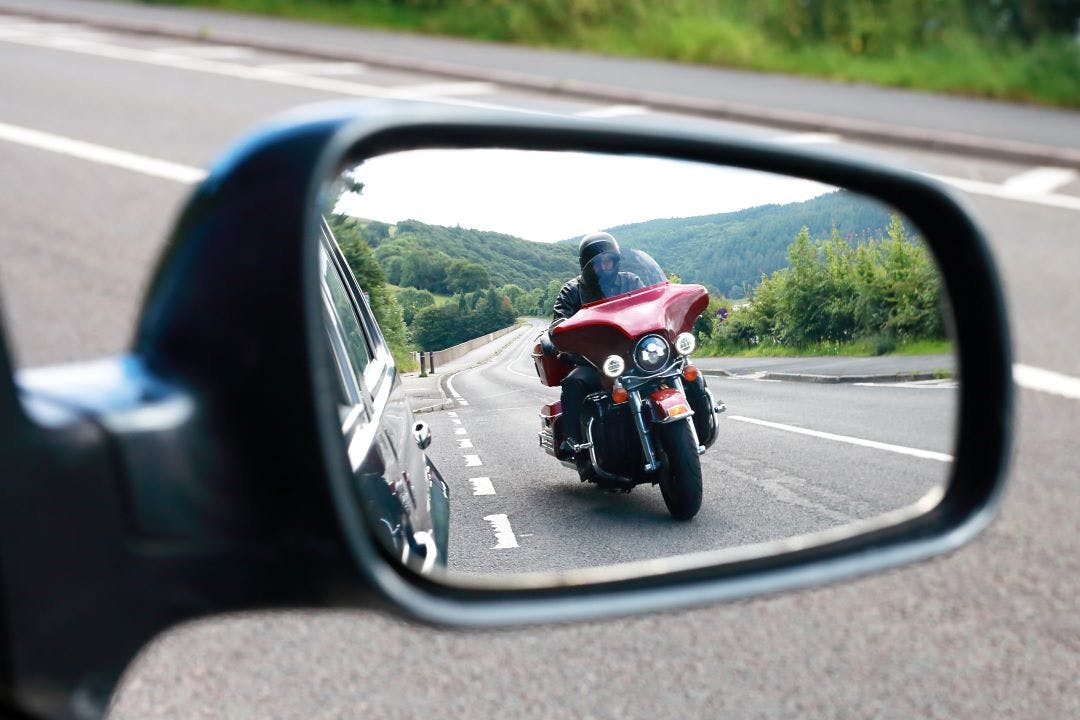
Riding a motorcycle is an incredible experience, but it comes with risks that shouldn't be ignored. According to the National Highway Traffic Safety Administration, motorcyclists are about 28 times more likely to be involved in a fatal crash than those in cars. That might sound alarming, but the good news is that a lot of accidents can be avoided with the right habits, awareness, and protective gear. Motorcycle riding safety comes down to making smart choices every time you get on the bike. In this blog, we’re sharing our best safety tips to help you stay protected and confident on the road.
10 Tips on How to Ride Safely on a Motorcycle
A few key habits while riding a motorcycle can make a big difference in lowering your risk and helping you feel more confident on the road. Here are some of the best ways to protect yourself every time you ride.
1. Take a Motorcycle Safety Course
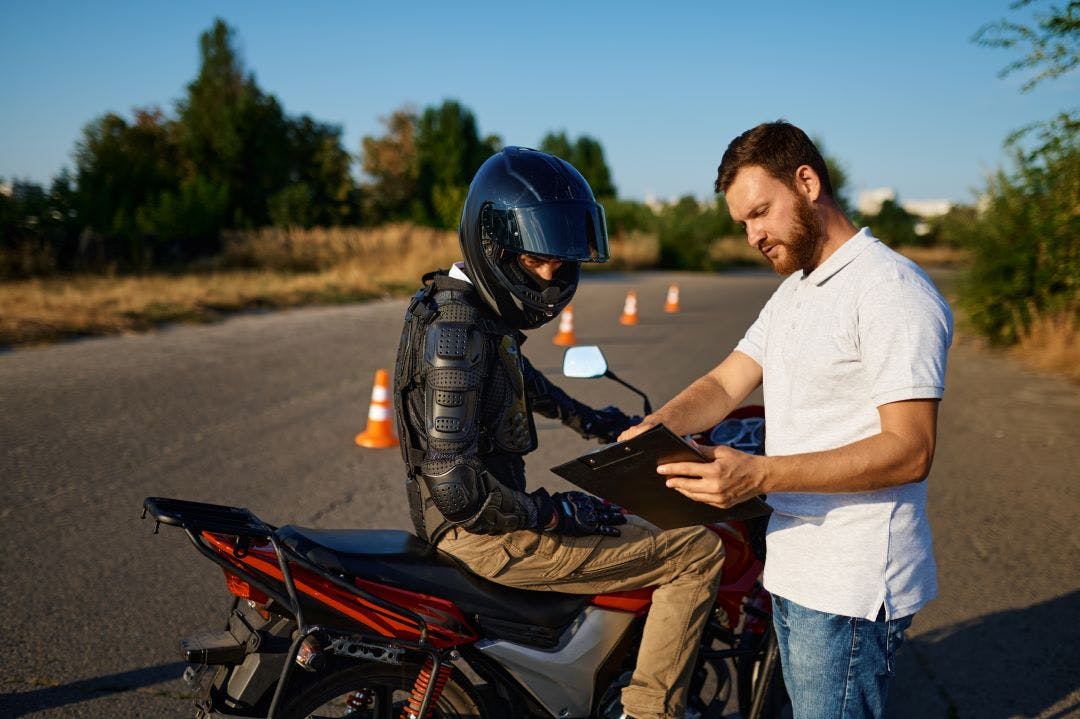
Taking a motorcycle safety course will give you the basics of riding that improve your skills and reduce your likelihood of getting in an accident. Still, it also helps keep you aware of traffic safety laws, tips to avoid accidents, and even insurance discounts. For new AND experienced riders alike, this course is a must.
We recommend courses approved by the Motorcycle Safety Foundation (MSF). Find a course near you HERE.
2. Pick a Helmet That Fits and Offers the Best Protection
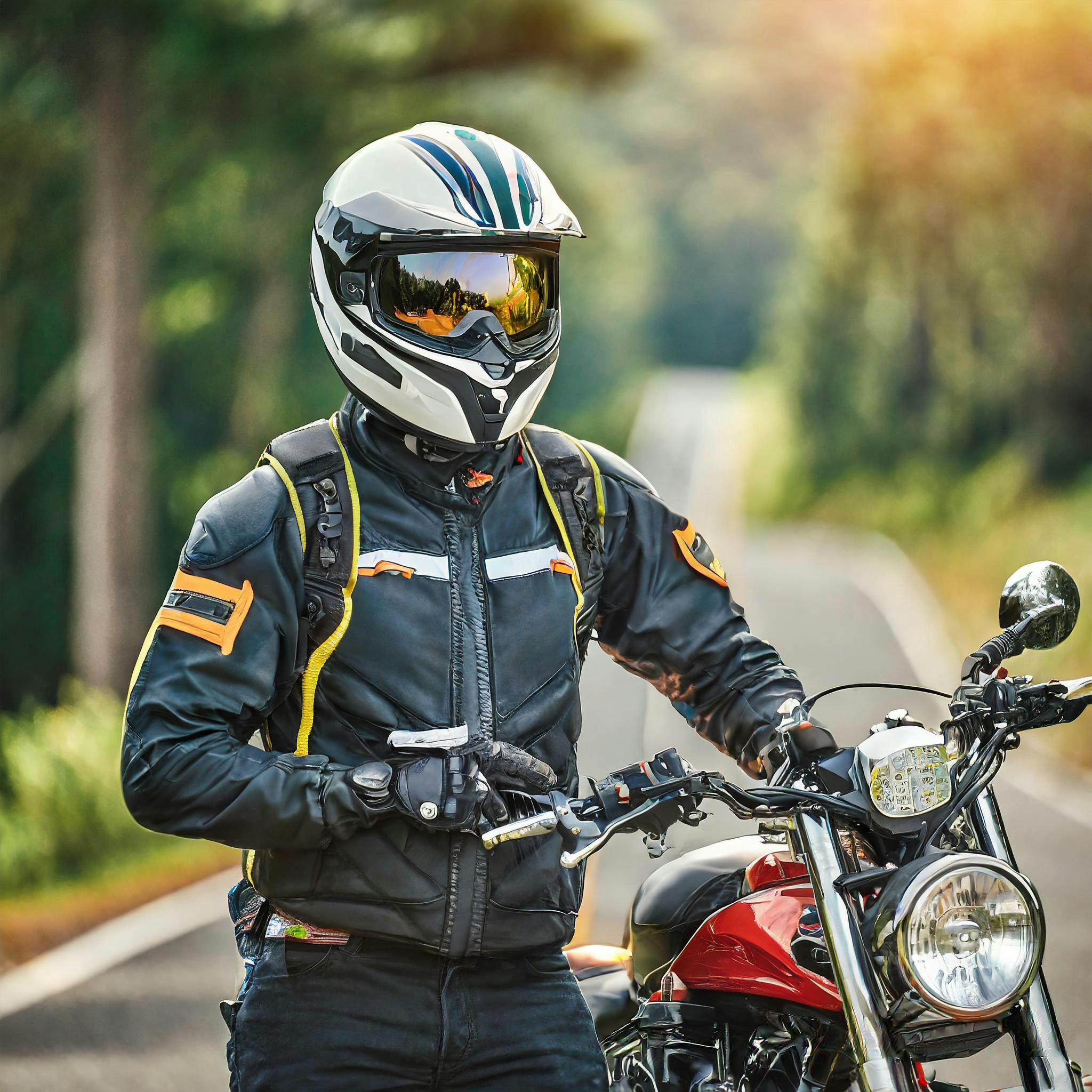
Wearing a helmet is one of the most important ways to protect yourself, but not just any helmet will do. It needs to fit snugly without being too tight and should have a DOT or Snell certification to show it meets safety standards. A full-face helmet offers the most protection by covering your head, face, and chin while also shielding you from wind, debris, and bad weather. If you already have a helmet, but it has been in a crash or is more than five years old, it’s time for a replacement. The right helmet can make all the difference in keeping you safe on the road.
Let us help you pick the right helmet for your ride. Check out our motorcycle helmet FAQ at the link below to get all the information you need.

3. Wear the Right Gear to Stay Protected
What you wear on a bike matters just as much as how you ride. A good riding jacket with built-in armor and abrasion-resistant material can protect your upper body from impact and road rash. Gloves help with grip and give your hands an extra layer of protection, while sturdy boots keep your feet and ankles covered in case of a crash.
Making yourself visible on the road is necessary to avoid accidents caused by drivers who fail to see motorcycles in traffic. Wearing bright colors and reflective materials helps you stand out, especially at night or in bad weather, making it easier for others to spot you from a distance. Staying safe isn’t just about riding carefully and watching for potential hazards. It’s just as important to make sure drivers around you can see you clearly and react accordingly.
For more information on choosing the right protective gear, click the button below.
4. Ride a Bike That Fits Your Size and Skill Level
Riding a bike that’s too big or powerful makes handling harder and can put you at risk. If you’re a beginner, it’s best to start with something in the 300cc to 500cc range since these bikes are lighter and easier to control. Your feet should rest flat on the ground when stopped, and the bike’s weight should feel manageable compared to your own. If you struggle to keep it balanced or control the throttle smoothly, it’s probably not the right fit. Start with a bike that matches your skill level and work your way up. The more comfortable and in control you feel, the safer your ride will be.
5. Do a Pre-Ride Safety Check Before You Get on the Bike
A few extra minutes before and during your ride can help you avoid serious issues and keep you safe on the road. The Motorcycle Safety Foundation recommends using the T-CLOCS method, which stands for Tires, Controls, Lights, Oil, Chassis, and Stands. Check your tire pressure and tread, test your brakes, and make sure all lights are working properly. Look for any fluid leaks, make sure your controls respond smoothly, and check that nothing feels loose or off balance. Once you’re on the road, stay aware of how the bike feels. If the brakes seem soft, the throttle feels sluggish, or something doesn’t seem right, pull over and take a closer look.
6. Stay Out of Blind Spots and Keep a Safe Distance From Other Vehicles
Riding near cars means always thinking ahead and making sure drivers can see you. Stay out of blind spots by positioning yourself where you're visible in their mirrors, especially when passing or riding alongside larger vehicles. Keeping a safe following distance gives you more time to react if a car stops suddenly or swerves into your lane. If you can’t see a driver’s face in their side mirror, chances are they can’t see you either. Always assume other drivers aren’t looking and give yourself plenty of space to stay in control.
7. Expect Other Drivers to Make Mistakes and Have a Plan to Avoid Them
You can be the safest rider on the road, but that won’t stop other drivers from making mistakes. Cars might change lanes without signaling, pull out in front of you, or stop suddenly without warning. Always stay alert and be ready to react. Keep an eye on traffic patterns, watch for signs that a driver might not see you, and have an escape route in mind at all times. The more prepared you are for the unexpected, the better your chances of avoiding a crash.
8. Watch the Road Ahead for Hazards Like Gravel or Potholes
Road conditions can change fast, and even small hazards can be dangerous on a motorcycle. Keep your eyes up and scan ahead for things like gravel, potholes, oil spills, or debris. If you spot something in your path, slow down and adjust your line early instead of reacting at the last second. Practicing emergency braking and swerving can help you stay in control when the unexpected happens. A split-second decision can be the difference between a close call and a crash, so always be ready to react.
9. Slow Down Before Turns and Never Lean Too Far Too Fast
Taking a turn too fast is one of the quickest ways to lose control of your bike. Always slow down before entering a curve so you have plenty of time to adjust your speed and lean gradually. Leaning too far too fast can throw off your balance, especially if the road is wet or uneven. Smooth, controlled movements keep you in control and help you avoid drifting too wide or tipping over. It’s better to take a turn a little slower and stay safe than to misjudge it and end up in trouble.
10. Always adjust Your Riding According to the Weather
Weather can change how your bike handles, so it’s important to adjust the way you ride. Rain makes roads slick, especially right after it starts, so slow down, give yourself extra stopping distance, and avoid sudden braking or sharp turns. Strong winds can push you off balance, so keep a firm grip on the handlebars and be ready for gusts when passing open areas or large vehicles. Cold temperatures can affect tire traction, making it harder to grip the road. No matter the conditions, staying aware and adjusting your speed, braking, and movements can help you stay in control.
Motorcycle Safety Tips from Advanced Riders
We’ve covered some of the best ways to stay safe while riding, but there’s always something to learn. As experienced riders, we know that real-world advice from others who have spent years on the road can be just as valuable. We took a look at what other riders had to say about staying safe and pulled together some of their best tips on motorcycle safety for new and advanced riders alike.
Tip 1: “Ride like you're invisible to every other driver on the road. You have to ride very defensively and focus as much as you can on your surroundings. Wear your motorcycle gear everytime you ride. This includes not just a helmet, but also a motorcycle jacket, pants, boots and gloves. It will save your skin from road rash for sure. Take courses. The more you learn the more aware you will be and the quicker you'll act in dangerous situations. It'll also make you ride your bike more confidently. There's no denying riding is more dangerous than driving a car, but there's definitely a lot you can do to reduce your chances of having a terrible crash.” - User on r/motorcycles
Tip 2: “Learn to ride 5-10 seconds into the future. Be able to predict what other motorists are going to do and how you will react. Always keep the simulation running in your head.” - User on r/motorcycles
Tip 3: “Never cheap out on the helmet. Your bones can heal. Your broken head won't.” - User on r/motorcycles
Tip 4: “Always wear gloves and helmet, ear plugs are wise if you don't want tinnitus. If you don't have one already, get a riding jacket with integrated pads: elbow, shoulders, and back. Next are pants and boots. Casual moto shoes work well too but can wear out quick if you ride/wear a lot. Protect your bones though.. maintenance wise Keep your air pressures proper so the bike handles predictably, and so you don't cause premature wear to tires. Maybe get better mirrors, bar ends aren't the best for visibility so you might do a lot of shoulder checking.” - User on r/motorcycles
Tip 5: “Read up on advanced driving skills. Specifically, learn the concept of "a vulnerability". Be in the habit of counting vulnerabilities as you ride, gradually the number of them will come down. You can't ride at full attention all the time, humans don't work that way, so learn to recognise when your safety is in someone else's hands and be at peak alert whenever that happens. Ride with confidence, never below the speed of the traffic, you need the action to be in front of you not behind you. It's safer to be sensibly bold than timid when you're on a motorbike. Wear hi-vis or keep your headlight on but assume no-one can see you, ever. Motorbikes really are dangerous, don't kid yourself. The risks are to be managed, not ignored.” - User on r/motorcycles
Stay Safe When You Rent a Motorcycle with Riders Share
If there’s one thing we can’t stress enough, it’s the importance of safety when riding or renting a motorcycle. Renting a motorcycle has potential risks, such as riding a bike you’re not as comfortable or familiar with. While owners must review the basics and quirks of the specific bike you’re renting, don’t be afraid to ask any additional questions, and only ride a bike you’re comfortable on. A motorcycle rental is it’s most fun when you know how to get around safely.

Ride Smart and Keep Safety in Mind Every Time You Get on a Bike
Staying safe on a motorcycle is all about making good decisions every time you ride. The more prepared and aware you are, the better you can handle whatever comes your way. Riding smart isn’t just about following the rules. It’s about staying focused, wearing the right gear, and always looking out for yourself. Small choices can make a big difference in keeping you safe on the road.
Related Articles
Mon - Fri: 8-8 CT
Weekends: 9-8 CT
