Motorcycle Helmets FAQ: How Long Do They Last, What Size Should I Wear?
Nov 1, 2024
Tags:guidetips
Motorcycle helmets are one of the most important safety gear for any rider. Not only do they protect your head in the event of a crash, but they also ensure a comfortable riding experience. However, knowing how long a helmet lasts, what size to buy, and how it should fit can sometimes be confusing. This FAQ guide will cover everything you need about motorcycle helmets, from lifespan to sizing and fit.
How Long Do Motorcycle Helmets Last?
According to most manufacturers and safety organizations like the Snell Foundation, motorcycle helmets typically last around five years. Even if a helmet hasn't been involved in a crash, materials like fiberglass, carbon fiber, and ABS degrade over time due to UV sunlight, sweat, and weather exposure. If your helmet has been involved in an accident, you should replace it immediately, even if there's no visible damage, as its impact-absorbing materials may have been compromised.
Food for thought: Think of it like a pair of outdoor patio furniture. Over time, even if you don’t sit on it much, the sun, rain, and temperature changes will cause the fabric and plastic to fade, crack, or weaken. Like how those materials break down with exposure to the elements, a helmet’s materials—fiberglass, carbon fiber, and ABS—also gradually degrade due to UV rays, sweat, and weather, even if the helmet hasn’t been in an accident.
Try to always remember:
- Replace your helmet every five years, even if it seems undamaged.
- Helmets exposed to harsh environmental conditions may need replacement sooner.
- After an accident, replace your helmet immediately.
What Size Motorcycle Helmet Should I Wear?
The right size helmet is crucial for safety and comfort. To find your size, use a cloth measuring tape and wrap it around your head, starting just above your eyebrows and going around the widest part of the back of your head. Compare this measurement to the helmet manufacturer’s size chart.
Here’s how to check for the right fit:
- The helmet should feel snug and press evenly around your head.
- It shouldn’t move when you shake your head.
- If it slides or feels loose, try a smaller size.
What States Have Motorcycle Helmet Laws?
Well, there are 50 states, and that would take up this whole article, wouldn’t it? Check out our article on “Helmet Laws by State” to determine if the state you’re riding in requires a motorcycle helmet or not.

How Should a Motorcycle Helmet Fit?
A helmet should fit snugly without being uncomfortable. When you first wear it, it might feel a little tight, but over time, it will "break in" and mold to the shape of your head.
To get a proper fit:
- The helmet should press evenly on your cheeks and around your scalp.
- The chin strap should be tight but not uncomfortable.
- If you can move the helmet side to side and it shifts on your head, it’s too large.
- The helmet should not touch your nose or chin but still offer protection.
How Do I Know If My Helmet Is Too Loose or Too Tight?
Here are some simple checks to see if your helmet fits right:
- Too Loose: If the helmet moves when you shake your head or if you can easily fit a finger between your head and the interior, it’s too loose.
- Too Tight: If the helmet creates pressure points or headaches or is difficult to put on, it may be too tight.
Is Renting A Motorcycle Helmet Safe?
If you're traveling and don’t have your own helmet with you, renting a motorcycle helmet can be a practical option, but there are a few key points to consider to ensure safety. After all, wearing a helmet is, in all cases, better than not wearing a helmet at all. While renting gear when you're away from home is convenient, the safety of a rented helmet depends on how well it's been maintained and whether it fits you properly.
- Don’t rent a helmet that is too big or too small- size yourself ahead of renting gear to ensure you’re renting a helmet that fits right.
- Check the manufacturer date on the inside flap. Make sure it’s not any older than 5 years or hasn’t reached its expiration date.
- Does it have scuffs? Does it look dented? Use your best judgment here.
- If you can, try it on ahead of renting it. Does it fit you right?
Riders Share’s owners offer motorcycle gear and motorcycle helmet rentals along with their bike rentals. If you’re in need of a helmet while traveling and renting, make sure to select listings that say “Gear Available.”
Further- look at the gear they do have available. Do they offer a helmet in your size? Do you need a jacket?

Can I Buy a Used Motorcycle Helmet?
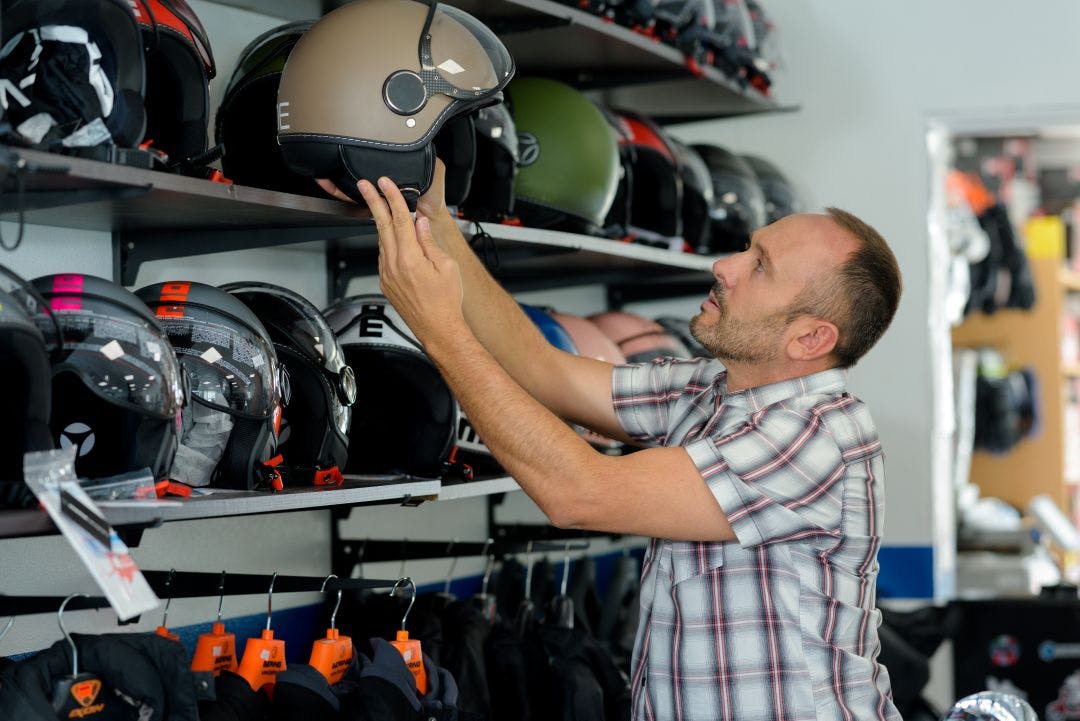
It’s generally not recommended to buy a used motorcycle helmet. You may not know its history, including if it’s been in an accident or exposed to degrading environmental factors. Even if it looks fine, the materials inside may be compromised. Always prioritize safety and purchase a new helmet if you can.
If you opt to buy used:
- Check the Age: Verify the manufacturing date (usually inside the helmet). Avoid helmets over 5 years old.
- Inspect for Visible Damage: Look for cracks, scratches, or any signs of wear on the outer shell and inner lining.
- Ask About the Helmet’s History: Confirm it hasn't been involved in an accident or subjected to extreme weather conditions.
- Examine the Fit: Make sure it fits snugly without shifting when you move your head.
- Check for Proper Padding: Ensure the inner padding hasn’t deteriorated, hardened, or compressed excessively.
- Look for Safety Certifications: Confirm it still has DOT, Snell, or ECE certification labels intact.
- Smell Check: A strong odor of sweat or mildew could indicate poor maintenance or material degradation.
Do Motorcycle Helmets Expire?
Yes, motorcycle helmets do expire. As mentioned earlier, the five-year rule applies, even if the helmet hasn’t been worn much. The materials used in helmets degrade over time, reducing their effectiveness in an accident. Check the manufacturing date inside your helmet, as this is key in determining when to replace it.
What Are the Different Types of Motorcycle Helmets?
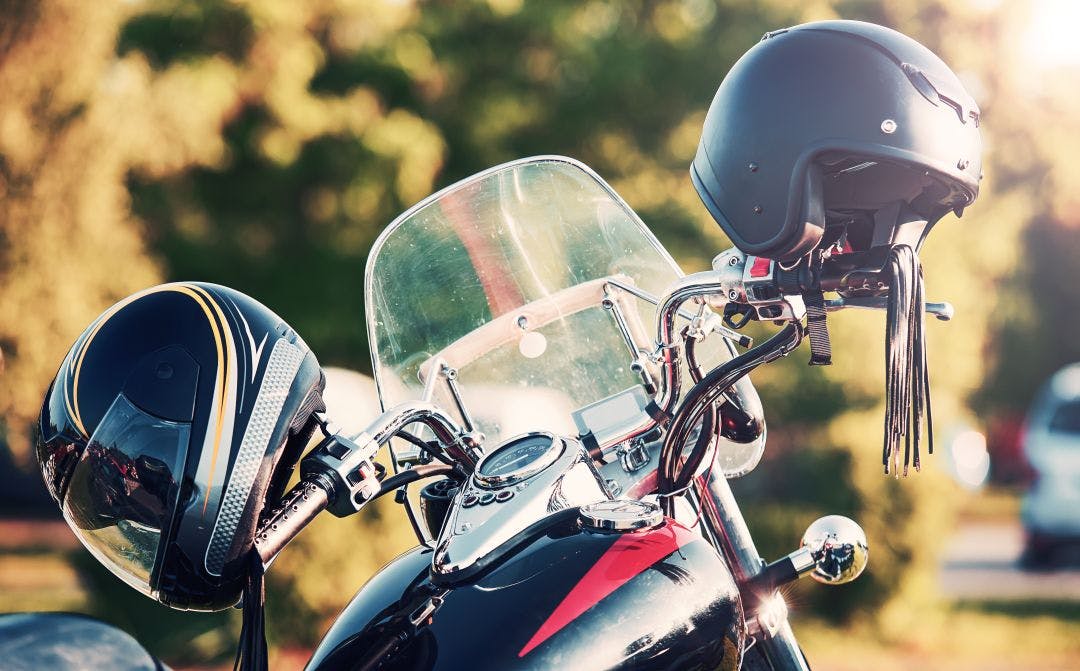
There are several types of helmets designed for different riding needs:
- Full Face Helmets: Offer maximum protection by covering the entire head and face.
- Modular Helmets: Feature a flip-up front, combining the benefits of full-face and open-face helmets.
- Open Face Helmets: Cover the top and sides of your head, but leave your face exposed.
- Half Shell Helmets: Provide minimal coverage, mostly for legality in states with helmet laws.
Each helmet type offers different levels of protection and comfort. Be sure to choose one that suits your riding style and safety needs.
How Can I Make My Helmet Last Longer?
Proper care can extend the life of your helmet. Here’s how:
- Clean the padding regularly to remove sweat and dirt.
- Avoid leaving it in extreme heat or direct sunlight for long periods.
- Store it in a cool, dry place when not in use.
- Inspect it regularly for signs of wear, like cracks or degradation of the inner padding.
What Should I Do If My Helmet Is Damaged?
If your helmet has been in an accident or shows visible signs of damage, such as cracks, it's time to replace it. Even minor damage can affect its ability to protect you in future incidents.
Can I Replace Parts of My Helmet?
Yes, depending on the brand, some parts of a helmet, like the visor, cheek pads, and interior padding, can be replaced. This allows you to refresh the fit and comfort of the helmet. However, if the outer shell or the EPS protective liner (the foam that absorbs impact) is damaged or compromised, the entire helmet must be replaced.
The EPS liner isn’t replaceable- any cracks, compression, or deterioration in this layer can significantly reduce the helmet’s ability to protect you in a crash. Always prioritize safety and replace the helmet if these critical areas are affected.
Bottom Line
Motorcycle helmets are vital to any rider’s gear, and choosing the right one is key to staying safe. Make sure to size your helmet correctly, replace it every five years, and inspect it regularly for damage. If unsure about sizing or fit, visit a professional or consult the manufacturer's guide.
More Frequently Asked Questions (FAQs)
1. Can I extend the lifespan of my motorcycle helmet?
Yes, proper care, such as cleaning and storing it in a cool, dry place, can help but always follow the manufacturer’s guidelines for replacement.
2. What should I do if my helmet has a small crack?
Even a small crack can compromise safety. Replace the helmet immediately if you notice any damage.
3. How can I check the manufacturing date of my helmet?
The manufacturing date is often printed on a sticker inside the helmet. Use this to determine when your helmet might expire.
4. Should I choose a helmet based on price?
The price of a motorcycle helmet can vary widely, typically ranging from around $100 to over $900, depending on the brand, materials, and features. Entry-level helmets usually start around $100-$200 and still offer solid protection if they meet DOT, Snell, or ECE safety certifications. Mid-range helmets in the $250-$500 range often provide more advanced materials, better ventilation, and enhanced comfort. High-end helmets ($600+) offer premium features like lightweight materials (carbon fiber), custom fit options, and specialized designs for reduced noise and wind resistance.
At What Point Does Helmet Price Become Luxury and Not Safety?
The extra cost is often attributed more to luxury features than safety after a certain price point, typically around $600 or higher. Things like lighter materials, sleek aesthetics, brand reputation, and additional comfort upgrades start to account for the price increase. However, a helmet's core safety is largely determined by its fit, and meeting recognized safety certifications like DOT, Snell, or ECE, not necessarily its price tag.
Sooo…. Should I Choose a Helmet Based on Price?
Your helmet is one of the most important safety investments. While price can influence features and comfort, you should focus on fit and safety ratings (like DOT, Snell, or ECE) over cost or appearance. An affordable, properly fitted helmet with the right certification can protect just as well as a high-end one. Prioritize safety and comfort, and choose a helmet that fits your budget while meeting your needs for protection.
Related Articles
Mon - Fri: 8-8 CT
Weekends: 9-8 CT
