Top 600cc Sport Bikes of 2025-26: Power-to-Weight, Handling & Rider Cost Index
Nov 19, 2025
Tags:guiderentersbest-ofownersinfo
The supersport class may be smaller than it once was, but manufacturers are now releasing some of the sharpest, most rider-focused middleweight machines they’ve ever built. Riders are finally getting performance that makes sense in the real world: usable power, manageable insurance, and electronics that actually help on the street and at the track. In this blog, we’re walking through the best 600cc sport bikes for 2025–26 with real data on cost, performance, and handling so you can pick the bike that fits the way you ride.
Overview: Today's 600cc sport bikes deliver power-to-weight ratios between 0.25 to 0.31 hp/lb, which puts them within striking distance of 1000cc superbikes from just eight years ago. Insurance costs average $800-1,400 annually for riders over 25 with clean records, compared to $2,000-3,500 for 1000cc bikes, and the Rider Cost Index (total cost per 1,000 miles including fuel, tires, maintenance, and insurance) ranges from $287 to $412 depending on the model.
Best 600cc Sport Bikes 2025-26 - Quick Reference
- Kawasaki Ninja ZX-6R: $11,399 MSRP | 636cc | 128 hp | 432 lbs
- Honda CBR600RR: $11,499 MSRP | 599cc | 119 hp | 410 lbs
- Aprilia RS 660: $11,849 MSRP | 659cc | 100 hp | 403 lbs
- Suzuki GSX-R600: $11,999 MSRP | 599cc | 103 hp | 410 lbs
- Triumph Daytona 660: Price TBD | 660cc | 94 hp | 415 lbs (est.)
What Actually Defines a 600cc Sport Bike in 2025
The 600cc category isn't what it used to be, and that's actually a good thing. These bikes sit between the entry-level 400-500cc twins and the nuclear 1000cc superbikes, but modern engineering means you're getting performance that would have embarrassed a 750cc bike from 2010.
- Supersport bikes in this class feature inline-four engines (except the twins from Aprilia and Triumph), race-derived chassis geometry, and electronics packages that include cornering ABS, traction control, and multiple riding modes. They're built for track days but street-legal, with ergonomics that prioritize aerodynamics over comfort.
- Middleweight sport bikes use parallel-twin engines instead of inline-fours, which gives them different power characteristics. More low-end torque, less top-end screaming, and typically better fuel economy. They're more comfortable for daily riding but still aggressive enough for track work.
Kawasaki Ninja ZX-6R
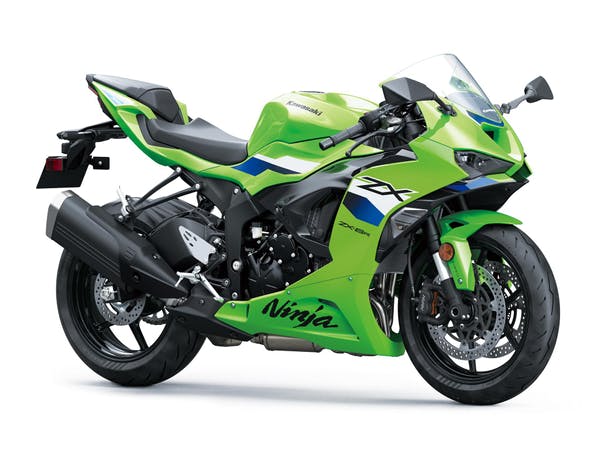
The ZX-6R gets a displacement bump to 636cc, which gives it stronger mid-range torque than the true 600s and makes everyday riding easier since you don’t have to keep the revs high to stay in the power. Its power-to-weight ratio of 0.296 hp/lb puts it near the top of this group, and the 2025 updates add a TFT display, adjustable ride modes, and traction control that scales with your comfort level. At 432 lbs the bike is heavier than some competitors, but the weight disappears once you’re moving and the chassis stays planted and predictable at speed. Insurance tends to run higher because of its performance reputation, and most riders can expect standard maintenance costs for the class.
Key Numbers
- Rider Cost Index: $342 per 1,000 miles
- Insurance (typical 25–35 rider): $1,200–2,400
- Maintenance per year (8k–10k miles): $1,000–1,300
- Best for: riders who want strong mid-range power for real-world riding with the option for track days
Honda CBR600RR
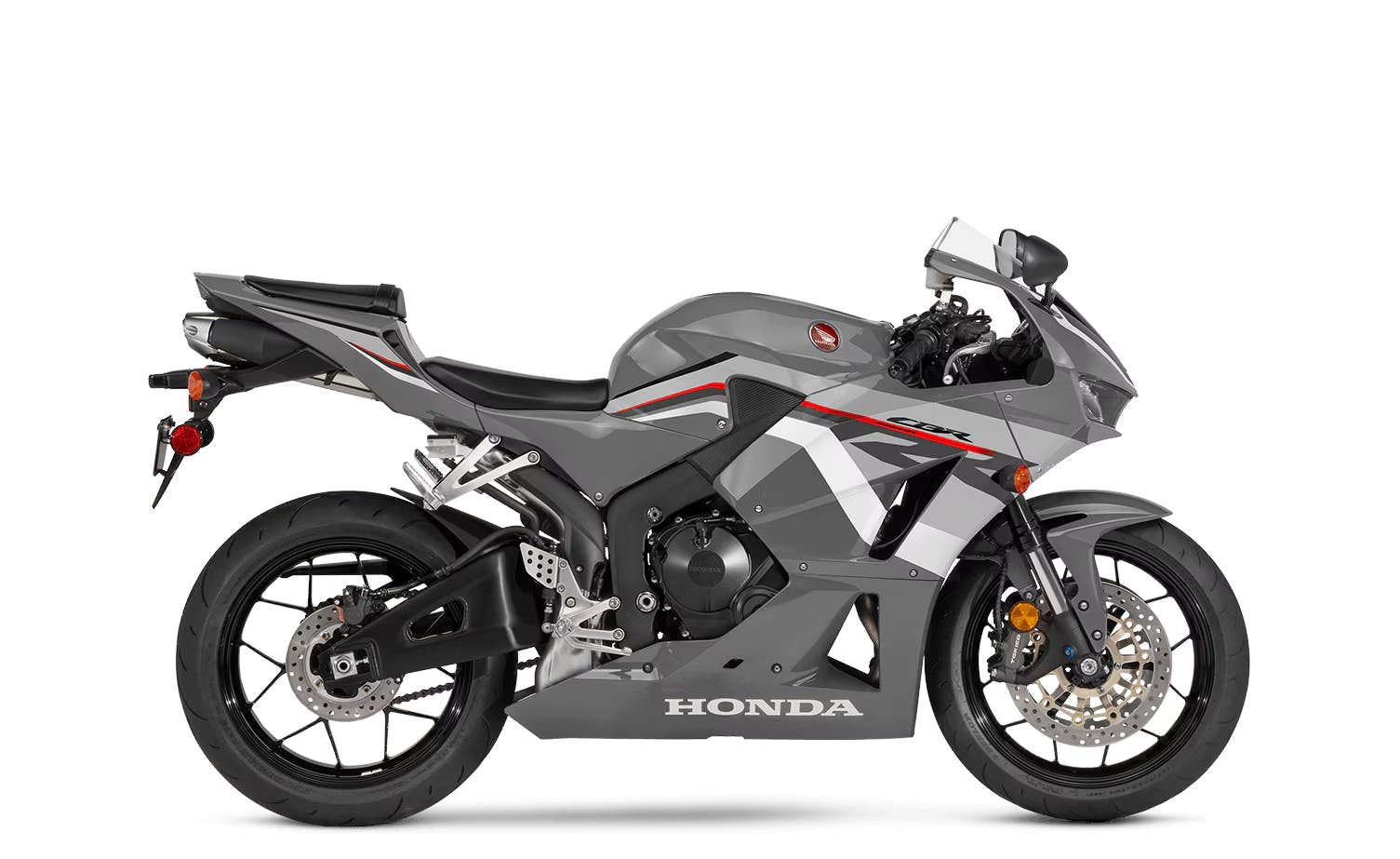
The CBR600RR remains the most track-oriented bike in this class. Its 119-hp inline-four makes smooth, predictable power all the way to redline, and while it needs higher RPM to really shine, the linear delivery helps keep the bike controlled. A 0.290 hp/lb ratio and 410-lb wet weight make the bike feel light and precise, and Honda’s electronics package is one of the most complete here with cornering ABS, a bi-directional quickshifter, and full IMU-based traction and wheelie control. Fuel economy is the best in the class, and the chassis delivers sharp, race-inspired handling, though the riding position is more aggressive than others.
Key Numbers
- Rider Cost Index: $318 per 1,000 miles
- Insurance (typical 25–35 rider): $1,100–2,200
- Fuel economy: ~51 mpg
- Best for: riders who want a full track-focused 600 with advanced electronics
Aprilia RS 660
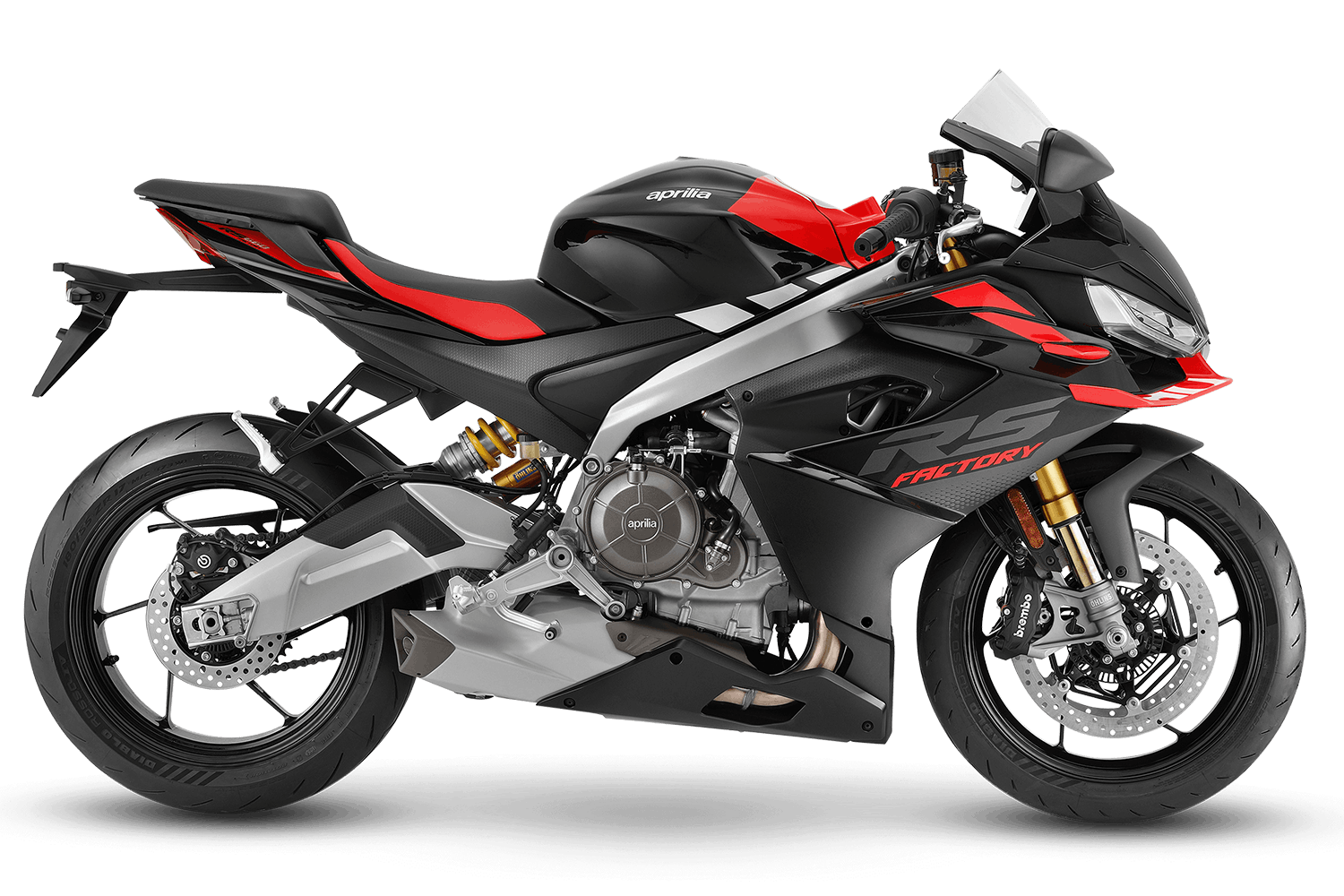
The RS 660 stands out because it uses a torquey parallel-twin instead of an inline-four, giving it strong low-rpm pull and a playful feel in tight corners. With 100 hp and a 403-lb wet weight, its 0.248 hp/lb ratio looks modest on paper but feels lively on the road thanks to the lighter chassis. The bike turns quickly and responds instantly, and the APRC electronics suite includes cornering ABS, traction control, wheelie control, and multiple ride modes managed through a clear TFT display. Insurance and maintenance can be higher because of brand and parts availability, and the smaller dealer network is worth considering.
Key Numbers
- Rider Cost Index: $387 per 1,000 miles
- Insurance (typical 25–35 rider): $1,300–2,600
- Suspension: fully adjustable Kayaba components
- Best for: riders who value agility and torque over peak horsepower
Suzuki GSX-R600
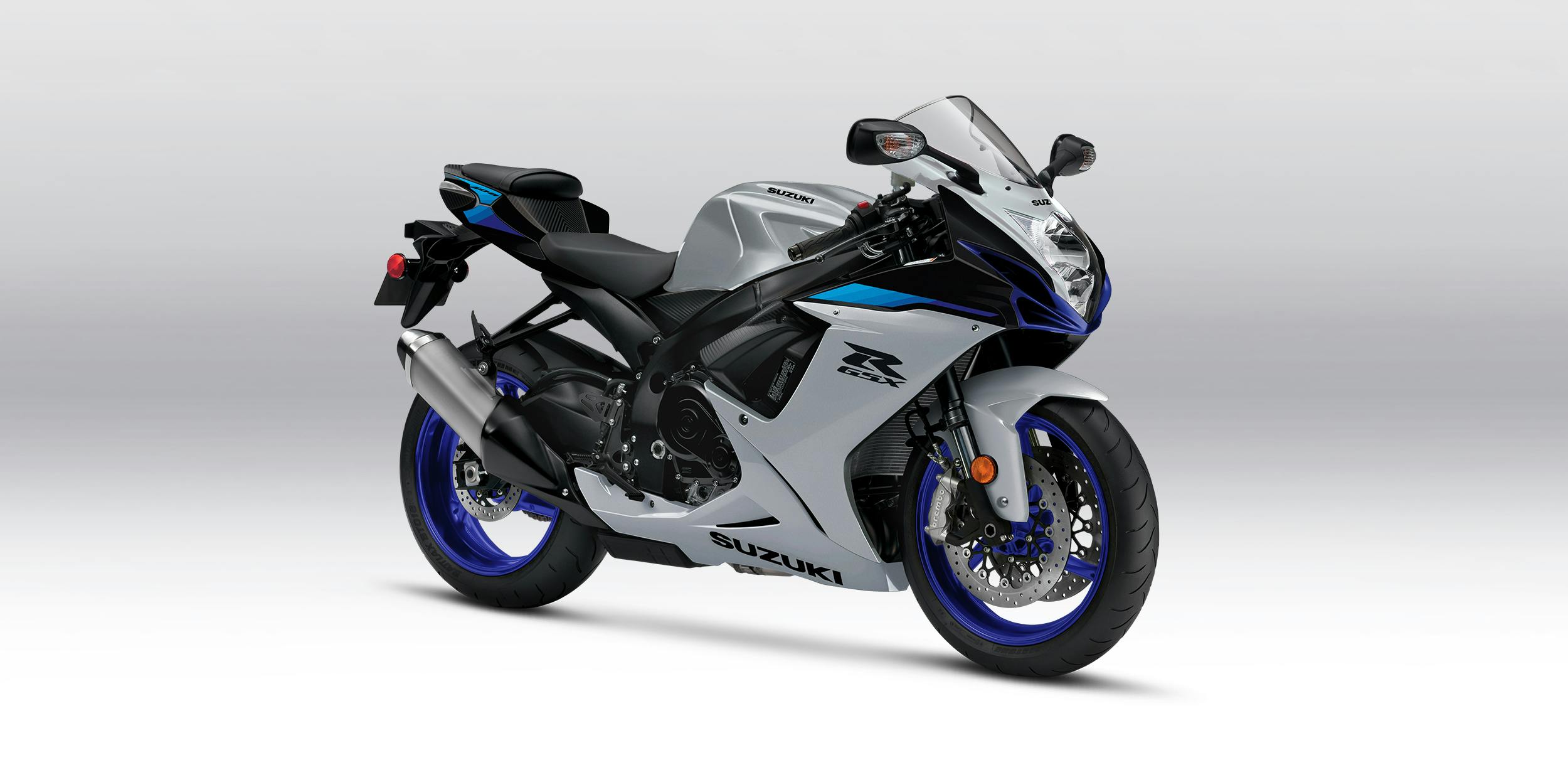
Although the GSX-R600 is the oldest design here, it remains popular because of its simple electronics, predictable handling, and low running costs. With 103 hp and a ~410-lb wet weight, the power delivery is smooth and approachable, making the bike a good step-up option. It uses a Showa Big Piston Fork up front and offers balanced, confidence-building handling. The electronics are basic compared to competitors, but the trade-off is lower insurance, cheaper parts, and easier maintenance than anything else in this group.
Key Numbers
- Rider Cost Index: $287 per 1,000 miles (lowest in class)
- Insurance (typical 25–35 rider): $1,000–2,000
- Maintenance per year: $800–1,200
- Best for: riders who want the lowest ownership cost and proven reliability
Triumph Daytona 660
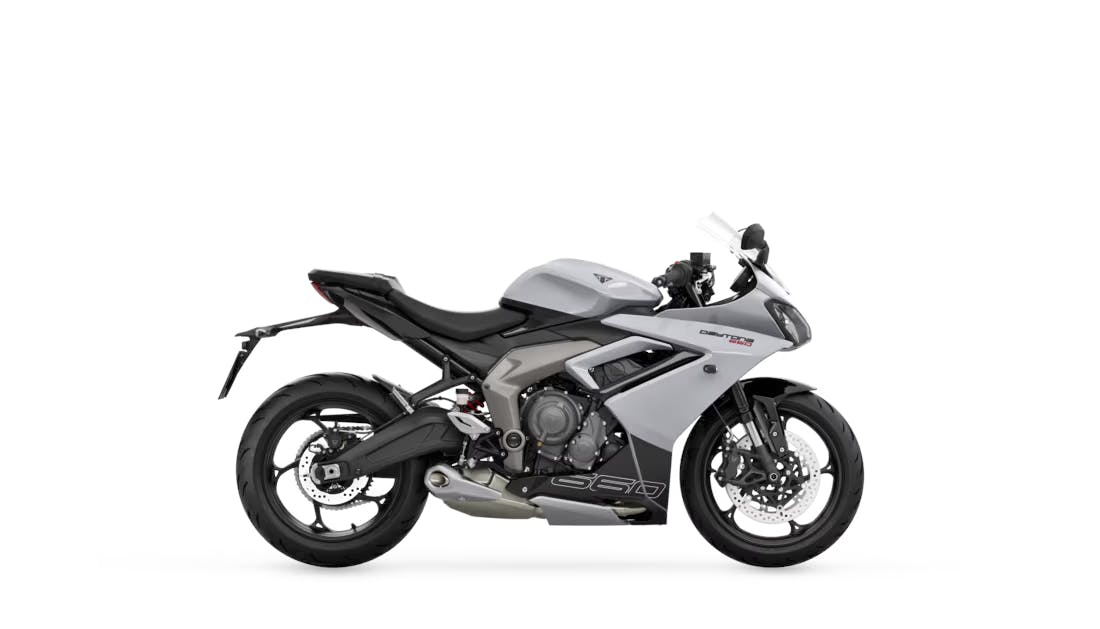
Triumph’s new Daytona 660 brings a three-cylinder alternative to the class with 94 hp and strong mid-range torque that gives it a different feel from both inline-fours and twins. It offers a broad usable powerband, smoother torque delivery, and a more comfortable riding position than the sharper supersports. Build quality is solid, the instrument cluster is modern, and the bike’s updated cooling and throttle body design improve overall performance. Pricing and insurance numbers aren’t finalized yet, but they’re likely to fall close to the Aprilia RS 660.
Key Numbers
- Power-to-weight ratio (est.): 0.226 hp/lb
- Insurance/RCI: Not yet available
- Ergonomics: more comfortable than traditional supersports
- Best for: riders who want a unique triple engine character and better comfort for longer rides
What Makes a 600cc Sport Bike Worth Buying in 2025-2026
The 600cc class sits between beginner-friendly smaller bikes and the extremely powerful literbikes. These bikes typically make 100-130 horsepower, weigh around 400-430 pounds, and can be ridden on the street comfortably while also being capable on the track.
Most 600cc sport bikes use either inline-four engines (Honda, Kawasaki, Suzuki) or parallel-twin engines (Aprilia), with Triumph offering a three-cylinder option. The inline-fours generally make more peak power but need higher RPMs to get there. The twins and triples make less peak power but have more torque available lower in the rev range.
Typical specs for 2025-26 models:
- Engine: 599cc to 660cc
- Power: 94 to 130 horsepower
- Weight: 403 to 432 pounds (wet)
- Top speed: 155 to 165 mph
- Fuel economy: 40 to 52 mpg
Sport Bike Power-to-Weight Ratios
Power-to-weight ratio determines how quickly a bike accelerates relative to its total mass. A lighter bike with less horsepower can outperform a heavier bike with more horsepower. Here’s an example:
- 120 hp / 440 lbs = slower response
- 100 hp / 400 lbs = faster response
This is why the Aprilia RS 660 stays competitive even with lower peak hp: its lighter chassis keeps the ratio tight. For comparison, modern 1000cc superbikes average 0.45–0.50 hp/lb, while 2025–26 middleweights match what literbikes delivered around 2015–2017.
How to Pick the Right 600cc Sport Bike for Your Riding Style
Best for track days: Honda CBR600RR
Best mid-range for the street: Kawasaki ZX-6R
Best lightweight agility: Aprilia RS 660
Lowest ownership cost: Suzuki GSX-R600
Best comfort: Triumph Daytona 660
Browse Sport Bike Rentals on Riders Share
Before you commit to a $12k supersport, it helps to ride the front-runners back-to-back and feel the differences for yourself, and Riders Share gives you that chance. You can rent the exact models you’re considering, test how the power hits, see if the riding position works for your body, and find out which bike actually fits your style. Check out the sport bike rentals near you and take one out for a day. It’s the quickest way to know you’re choosing the right 600.

600cc Sport Bike FAQ
Before you narrow down your list, it helps to clear up the most common questions about performance, insurance, daily comfort, and long-term ownership. These quick answers cover the basics.
What is the fastest 600cc sport bike in 2025?
The Kawasaki Ninja ZX-6R posts the quickest quarter-mile at 10.8 seconds and hits 60 mph in 3.1 seconds, making it the fastest in straight-line acceleration. The Honda CBR600RR is marginally slower in a straight line but posts quicker lap times due to better aerodynamics and electronics.
Are 600cc sport bikes good for beginners?
No, and here's why: these bikes make 95-128 hp, weigh 400-440 pounds, and have aggressive ergonomics that punish poor technique. New riders should start with 300-500cc bikes that make 35-50 hp and develop proper throttle control before moving to a 600. The only exception is if you're specifically training for track riding with professional instruction.
What's the difference between a 600cc inline-four and a 660cc twin?
Inline-fours (ZX-6R, CBR600RR, GSX-R600) make power at high rpm (peak power at 13,000-14,000 rpm), require frequent shifting, and sound like race bikes. Twins (RS 660, Daytona 660) make torque lower in the rev range (peak torque at 6,700-8,500 rpm), work better in taller gears, and are easier to ride smoothly on the street but give up top-end power.
How much does insurance cost for a 600cc sport bike?
Riders aged 25-35 pay $1,000-2,200 annually depending on location. Riders aged 35-50 pay $800-1,600 annually. Riders over 50 pay $600-1,200 annually. City riders pay 40-60% more than rural riders. The CBR600RR costs 15-20% more to insure than the Daytona 660 due to higher theft rates.
Which 600cc sport bike is best for track days?
The Honda CBR600RR and Suzuki GSX-R600 are the top choices. The CBR offers more advanced electronics and slightly better lap times, while the GSX-R600 has cheaper consumables (tires, fairings, brake pads) and proven race geometry. Both have excellent aftermarket support and large track day communities.
Can you ride a 600cc sport bike daily?
Yes, but it's not ideal. The aggressive riding position puts weight on your wrists, the seat is thin and uncomfortable after 45-60 minutes, and fuel economy averages 45-51 mpg (good, but not great). The ZX-6R and RS 660 are the most tolerable for daily use due to more relaxed ergonomics and better low-rpm power delivery.
What's the most reliable 600cc sport bike?
The Kawasaki ZX-6R and Honda CBR600RR have the best long-term reliability records, with owners regularly exceeding 40,000 miles with only scheduled maintenance. The Suzuki GSX-R600's platform is 14 years old, which means proven reliability but also dated technology. Aprilia and Triumph have improved reliability but shorter track records in the US market.
Is the 600cc sport bike class really dying?
The 600cc class isn’t what it was in the mid-2000s, but it has settled into a steady place rather than fading out entirely. Back in 2005 to 2007 these bikes made up 16% to 19% percent of all motorcycle sales, which was the high point before the 2008 recession reshaped the entire market. Emissions rules have since pushed some manufacturers to discontinue certain models or move them to race-only production, but brands like Kawasaki, Honda, Suzuki, and Triumph still build them for riders who want this type of machine. The category is smaller than it used to be, yet the demand from dedicated 600cc sport bike riders has kept it stable.
Related Articles
Mon - Fri: 8-8 CT
Weekends: 9-8 CT
