Best Motorcycles for Short Riders in 2026
Jan 16, 2026
Tags:guidebest of
Most motorcycles are built for riders between 5'7" and 5'11", which means anyone shorter than that has to dig a little deeper to find something that actually fits. The 2026 model year brings a few updates worth paying attention to: Honda added E-Clutch technology to the Rebel 300, Indian released the touring-ready Sport Scout RT with a 25.7-inch seat, and Kawasaki's Ninja 500 officially replaces the discontinued Ninja 400.
Seat height numbers only tell part of the story, though. A 30-inch seat on a narrow sportbike can feel lower than a 27-inch seat on something wide and heavy, so we're breaking down both the measurements and the details that actually affect how these bikes fit. In this blog, we’ll cover the best 2026 motorcycles for short riders across cruisers, sportbikes, and standards, along with tips for improving fit on whatever you end up riding.
Quick Overview: The best motorcycles for short riders in 2026 combine low seat heights (under 28 inches), manageable curb weights (under 500 lbs), and narrow seat profiles that make flat-footing easier. Top picks include the Indian Sport Scout RT (25.7" seat height), Harley-Davidson Nightster (27"), Honda Rebel 300 E-Clutch (27.2"), and Kawasaki Vulcan S (27.8" with ERGO-FIT adjustability). For sportbike riders, the Yamaha YZF-R3 (30.7") and Kawasaki Ninja 500 (30.9") offer narrow profiles that offset their taller measurements.
Motorcycle Seat Height vs. Real-World Fit
Manufacturers measure seat height from the ground to the lowest point of the seat, but that number doesn't tell you how wide the seat is at that point, how much the suspension compresses when you sit on it, or where the bike's weight is concentrated. All of those factors affect how easy it is to get your feet down.
What Actually Determines Fit:
- Seat width matters as much as height because a narrow seat lets your legs hang straight down, while a wide seat pushes them outward and adds effective inches to the reach.
- Curb weight determines whether you can catch the bike if it starts to tip at a stop, and lighter bikes are a lot more forgiving than heavy ones.
- Center of gravity affects how top-heavy the bike feels when you're stationary, with lower and more central weight distribution making stops less stressful.
Inseam Guide for Reference
- 28-29" inseam: Look for seats under 28", or narrow sportbikes up to 31"
- 30-31" inseam: Most bikes under 30" will work well
- 32"+ inseam: Focus on weight and ergonomics rather than seat height
Bikes We’ll Cover Below:
- 2026 Indian Sport Scout RT
- 2026 Harley-Davidson Nightster
- 2026 Honda Rebel 300 E-Clutch
- 2026 Kawasaki Vulcan S
- 2026 Kawasaki Ninja 500
- 2026 Yamaha YZF-R3
- 2026 Triumph Speed Twin 900
- 2026 Royal Enfield Meteor 350
Best Low Seat Cruisers of 2026 (Under 28in.)
Cruisers dominate the low-seat height motorcycle category because the feet-forward riding position naturally puts the seat closer to the ground. These four options represent the best of what's available for the 2026 model year.
1. 2026 Indian Sport Scout RT
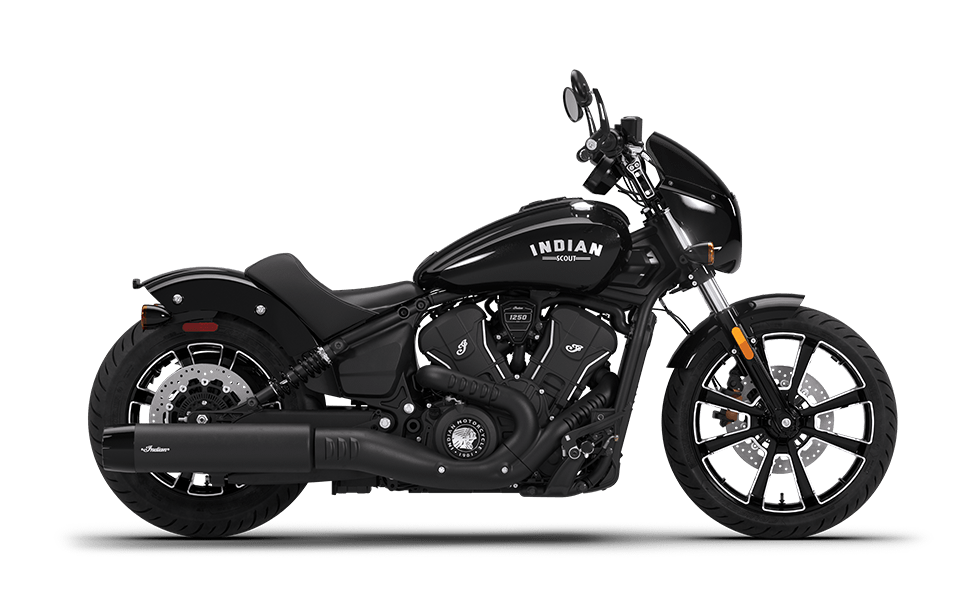
25.7" seat | 568 lbs | 1250cc V-Twin
The Sport Scout RT is new for 2026, and it solves a problem that's frustrated shorter touring riders for years. Indian took the standard Scout platform, which already had one of the lowest seat heights in the industry, and added factory-installed locking saddlebags along with a quarter fairing for wind protection. The result: a bike that can actually handle long trips without requiring aftermarket modifications or compromising on accessibility.
What makes it work:
- 25.7-inch seat height is the lowest on this list
- Mid-controls sit directly below the rider instead of stretched forward, which helps with low-speed balance
- Saddlebags are narrow enough that they don't get in the way when you put your feet down
- 1250cc SpeedPlus V-Twin produces 111 hp and 82 lb-ft of torque
Standard ABS and three ride modes (Sport, Standard, Tour)
The 568-pound curb weight sounds like a lot until you compare it to other touring-capable cruisers. A Harley Road King tips the scales at over 800 pounds, and even the Street Glide comes in around 830 pounds. The Scout RT's low center of gravity keeps the weight manageable despite the number on the spec sheet.
2. 2026 Harley-Davidson Nightster
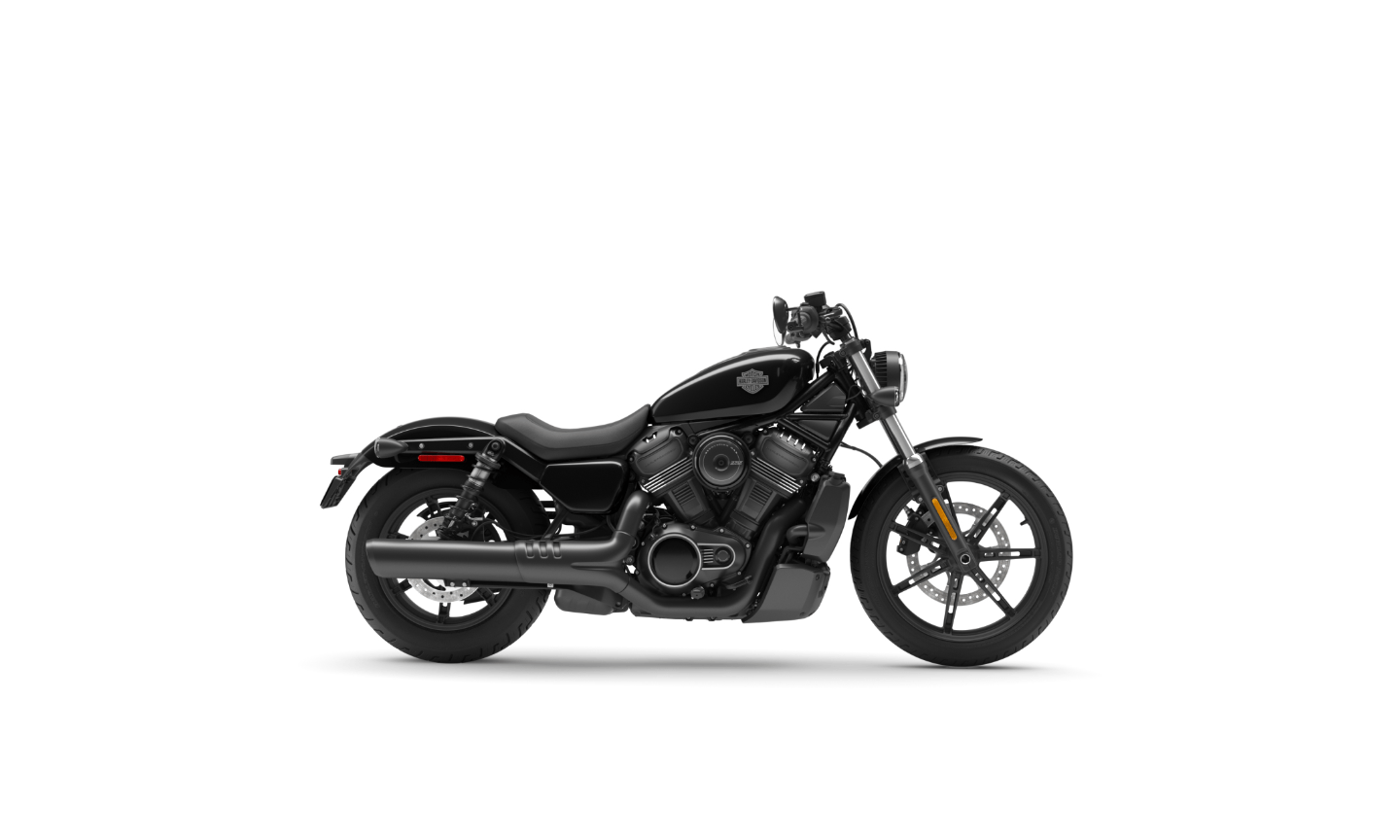
27" seat | 481 lbs | 975cc Revolution Max
The Nightster is the lightest motorcycle in Harley's current lineup, and a lot of that comes down to where they put the fuel tank. Instead of mounting it above the engine in the traditional spot, Harley relocated it underneath the seat. This drops the center of gravity significantly and creates a slimmer profile through the area where your thighs grip the bike, which makes the 27-inch seat feel lower than it actually measures.
At $9,999, the Nightster is one of the more affordable entry points into the Harley lineup. If you want the mini fairing and 4-inch TFT display, the Nightster Special runs $12,499. Both versions share the same frame geometry and weight distribution that make this bike work for shorter riders.
3. 2026 Honda Rebel 300 E-Clutch
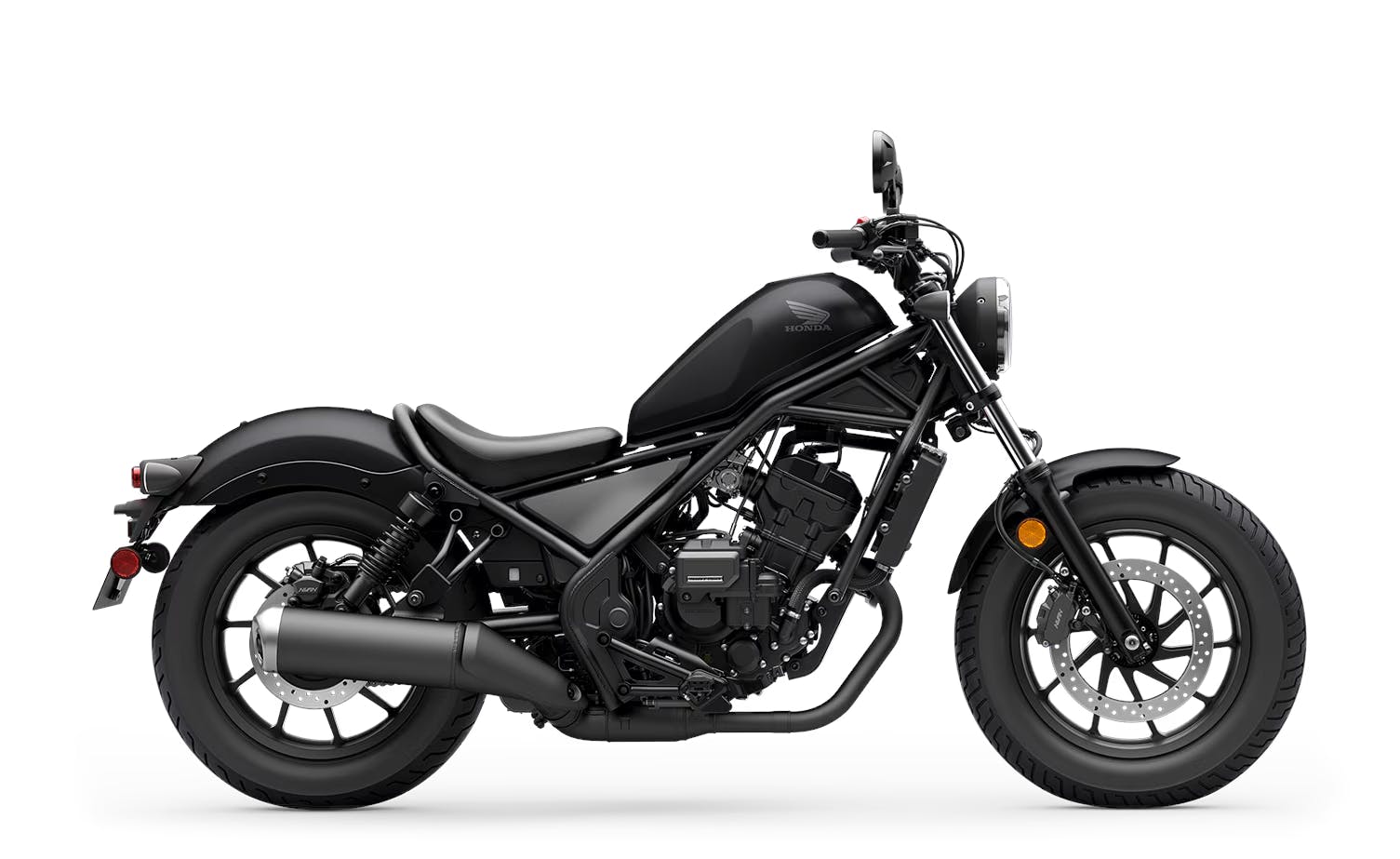
27.2" seat | 365 lbs | 286cc Single
The Rebel lineup has been a standard recommendation for short riders for years because of its low seat, light weight, and narrow profile where the seat meets the tank. For 2026, the Rebel 300 adds Honda's E-Clutch technology, which removes stalling from the equation entirely.
How E-Clutch works:
- You still shift gears with your left foot like a normal motorcycle
- You can use the clutch lever manually whenever you want
- If you release the clutch too quickly or forget to pull it in when stopping, the system compensates automatically instead of killing the engine
- This isn't an automatic transmission, it's a safety net that handles the one thing new riders worry about most
The 286cc single-cylinder engine handles city riding without issue and can maintain highway speeds when you need it to. Cruising above 70 mph requires more revs than some riders prefer, but for commuting and weekend rides on secondary roads, the power is great.
4. 2026 Kawasaki Vulcan S
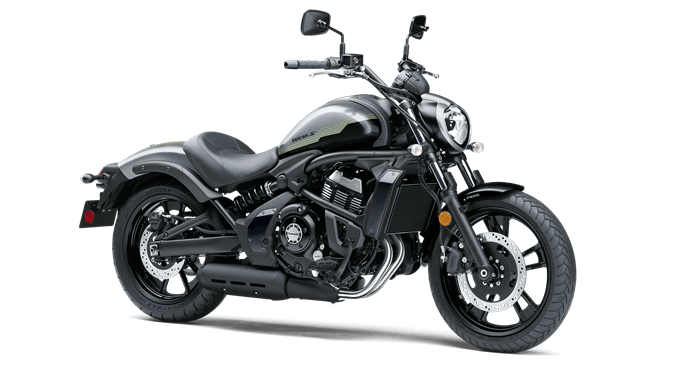
27.8" seat | 498 lbs | 649cc Parallel Twin
Kawasaki built the Vulcan S around its ERGO-FIT system, which lets you adjust three separate contact points to match your body instead of adapting yourself to a fixed riding position. The seat slides forward or backward on rails, the footpegs relocate to three different positions, and the handlebar reach changes through different mounting points. Combined, these adjustments create 18 possible configurations!
Why it matters for shorter riders:
- The reduced-reach seat position moves you closer to the handlebars while also dropping seat height slightly
- Forward footpeg position works well with shorter inseams without cramping your knees
- All adjustments are built into the bike and can be made with basic tools (no aftermarket parts required)
What’s the Best Motorcycle for Someone 5'4"?
At 5'4" with an average inseam around 29-30 inches, most of the bikes on this list will work without major modifications. The real question is which one matches your riding style and priorities.
If you're a new rider and want maximum peace of mind: The Honda Rebel 300 E-Clutch combines a low seat, light weight, and anti-stall technology into one package. You'll eventually outgrow its performance, but it's an awesome first bike that holds resale value well when you're ready to move up.
If you want something you can grow into: The Kawasaki Vulcan S has enough power for experienced riders while remaining approachable for beginners, and ERGO-FIT means you can dial in the ergonomics to match your body exactly.
If touring and longer trips are the goal: The Indian Sport Scout RT is the only bike here that comes with factory luggage and touring features while keeping seat height under 26 inches.
If you want sportbike styling: Skip down to the Yamaha YZF-R3 or Kawasaki Ninja 500 sections. Both have seats above 30 inches, but their narrow profiles make them more accessible than the numbers suggest for riders comfortable with one-foot-down stops.
2026 Sportbikes and Standards
Sportbikes have taller seat heights than cruisers, but they make up for it with narrow seats that let your legs hang straight down instead of splaying outward around a wide tank. That geometry is why a 31-inch sportbike seat can actually feel more accessible than a 28-inch cruiser seat when you're trying to get your feet on the ground.
1. 2026 Kawasaki Ninja 500
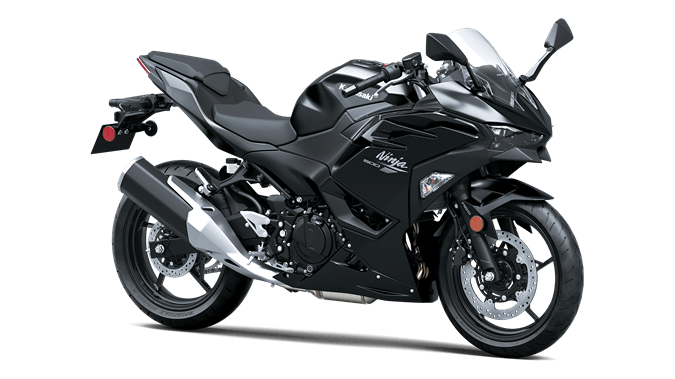
30.9" seat | 377 lbs (non-ABS) | 451cc Parallel Twin
The Ninja 500 replaces the discontinued Ninja 400, which had earned a reputation as one of the most accessible sportbikes for shorter riders. Kawasaki kept the things that made the 400 work and added more power for 2026, bringing the engine up to 451cc and 51 hp without changing the dimensions that matter for fit.
What makes it work for short riders:
- The seat tapers significantly toward the tank, so your thighs aren't pushed outward by a wide surface. This lets shorter riders reach further than the 30.9-inch measurement suggests.
- At 377 to 381 pounds depending on whether you get ABS, it's light enough to catch easily if it starts to tip at a stop.
- The assist and slipper clutch reduces how hard you have to squeeze the lever, which is a real benefit if you have smaller hands.
If you loved the Ninja 400 or had it on your list before it was discontinued, the 500 keeps everything that worked while giving you a bit more power for highway riding and passing.
2. 2026 Yamaha YZF-R3
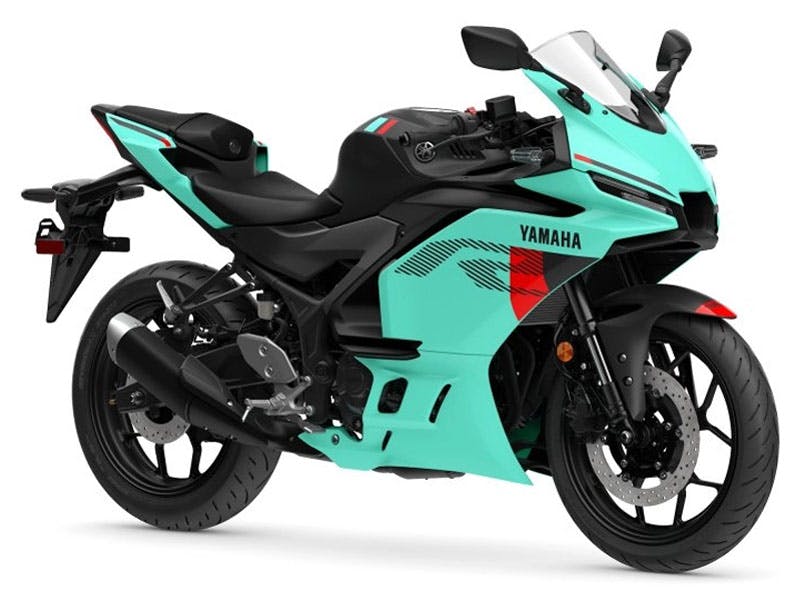
30.7" seat | ~375 lbs | 321cc Parallel Twin
The R3 has been putting new riders on sportbikes since 2015, and Yamaha hasn't changed the formula because they got it right the first time. This bike feels smaller than its specs suggest, which is exactly what shorter riders need from a sportbike.
What makes it work for short riders:
- The seat and tank junction is narrow enough that your legs drop almost straight down rather than angling outward, which effectively lowers how far you have to reach.
- Around 375 pounds makes it one of the lightest full-fairing sportbikes on the market, so you're not fighting the weight when you need to put a foot down quickly.
- Yamaha concentrated the weight low and central, which keeps the bike from feeling top-heavy when you're stopped.
The 321cc twin produces 42 hp, which is plenty for city riding and comfortable at highway speeds up to about 75 mph. Push past that or hit a long uphill grade and you'll feel the engine working for it, but for everyday riding and weekend back roads, the power is right where most newer riders need it.
3. 2026 Triumph Speed Twin 900
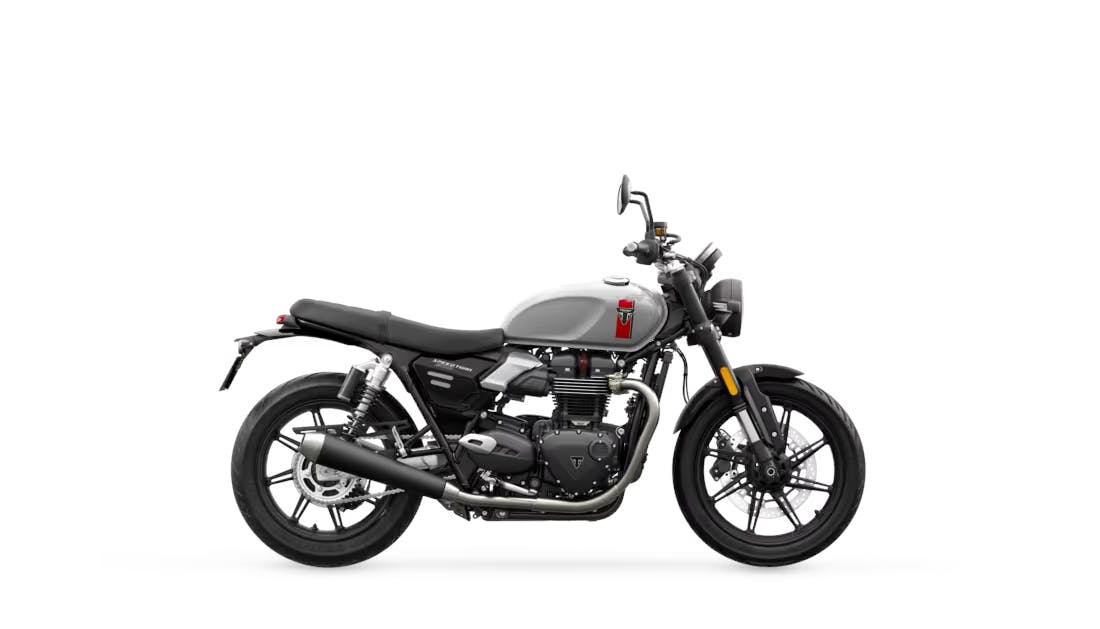
30.7" seat (29.9" with low seat) | 476 lbs | 900cc Parallel Twin
The Speed Twin 900 got a big update for 2025 that carries into 2026, and Triumph specifically addressed fit for shorter riders as part of that redesign. They narrowed the subframe, which reduces how wide you have to spread your legs when putting your feet down, and reshaped the front of the seat with a taper that lets your thighs drop further toward the ground.
What makes it work for short riders:
- The narrower subframe and tapered seat front work together to give you better reach than the previous generation, even though the seat height number is similar.
- Triumph offers an accessory low seat that drops the height to 29.9 inches without making the seat uncomfortable for longer rides.
- At 476 pounds it's heavier than the Japanese sportbikes on this list, but the low center of gravity keeps it from feeling unwieldy at stops.
The 900cc twin makes 65 hp with most of its torque available down low at 3,800 rpm. That means you get easy acceleration in the city without having to rev the engine out, which makes stop and go traffic less of a workout.
4. 2026 Royal Enfield Meteor 350
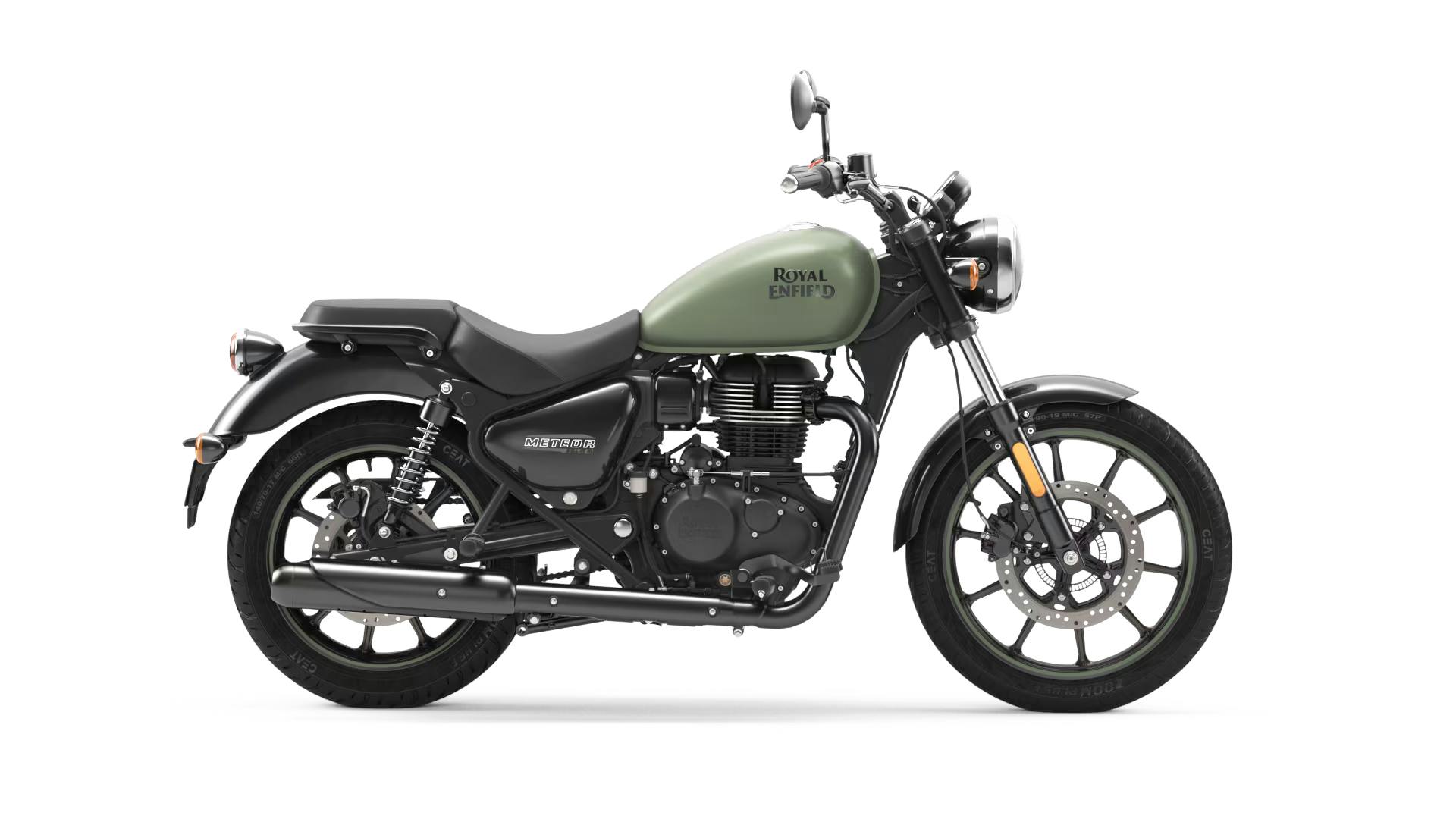
30.1" seat | ~422 lbs | 349cc Single
The Meteor 350 is the budget play on this list, and at under $5,000 it opens up motorcycling for riders who aren't ready to spend Triumph or Harley money. It's technically a cruiser, but we're including it here because the 30.1-inch seat puts it closer to the standards category in terms of fit.
What makes it work for short riders:
- The seat compresses noticeably under your weight and narrows toward the front, which means the 30.1 inches feels lower than it measures once you're actually sitting on it.
- At around 422 pounds with a low center of gravity, it's easy to balance and catch if it starts to lean the wrong way.
- The relaxed cruiser ergonomics put you in an upright position with your feet naturally below you rather than stretched forward.
What Motorcycles Have the Lowest Seat Height?
Under 28 inches (2026 models):
- Indian Scout Bobber: 25.6"
- Indian Sport Scout RT: 25.7"
- Kawasaki Vulcan 900 Classic: 26.8"
- Harley-Davidson Nightster: 27.0"
- Honda Rebel 300/500: 27.2"
- Kawasaki Vulcan S: 27.8"
- Honda Rebel 1100: 27.9"
28-30 inches:
- Kawasaki Eliminator 500: 28.9"
- Triumph Speed Twin 900 (low seat): 29.9"
- Royal Enfield Meteor 350: 30.1"
Over 30 inches (narrow profiles offset height):
- Yamaha YZF-R3: 30.7"
- Triumph Speed Twin 900 (standard): 30.7"
- Kawasaki Ninja 500: 30.9"
Tips for Getting a Better Fit
Sometimes you’re on the right bike, it just needs a little tweaking to feel right. The options below range from simple, no-tools changes to more involved setup work, depending on how far off the fit feels.
Tip 1: Lowering Kits
Aftermarket lowering kits bring seat height down about 1 to 2 inches by changing the rear shock linkage and adjusting the front forks with shorter springs or internal spacers.
Trade-offs to consider:
- You lose some ground clearance, which means footpegs, exhaust, or other parts can touch down sooner if you ride aggressively in corners
- Suspension travel is reduced, so bumps and rough pavement feel firmer
- Installation is best left to a shop, usually running $200–$500 with parts and labor
Lowering kits tend to make the most sense for riders who commute, cruise, or ride at a relaxed pace, rather than pushing hard through twisty roads.
Tip 2: Low-Profile Seats
Seats with slimmer padding or reshaped foam can drop your effective seat height by about half an inch to a full inch, without changing the suspension or reducing ground clearance.
Brands that focus on this kind of seat design:
Before going aftermarket, it’s worth checking if the manufacturer offers a factory low-seat option. Triumph’s accessory low seat for the Speed Twin 900, for example, lowers the bike by nearly an inch while still staying comfortable for longer rides.
Tip 3: New Boots
Boots with thicker soles or a slightly raised heel can add half an inch to a full inch of reach, without touching the bike at all. This is without a doubt the easiest change to try first, especially if you’re only just shy of getting solid footing.
What to look for:
- Adventure and touring boots usually have more substantial soles than sport boots
- A heel height around 1 to 1.5 inches adds reach without feeling awkward
- Avoid overly tall platforms that make it harder to feel the shifter or rear brake
Test-Ride Before You Buy With Motorcycle Rentals on Riders Share
Before you commit to a bike based on specs alone, get some real seat time on one that actually fits. Motorcycle rentals on Riders Share let you test-ride before you buy, so you can feel how seat height, weight, and balance work for you instead of guessing. With 25+ motorcycle brands and 10+ motorcycles to choose from nationwide, you can compare cruisers, standards, sport bikes, and touring models back to back and see what feels confident at stops and manageable at low speeds. If you’re shopping for one of the best motorcycles for short riders in 2026, this is the easiest way to narrow your list and ride before making a long-term decision. Start your search today!

Looking for More Options? Here’s Where to Look Next
Our guide covered 2026 models specifically, focusing on what's new or updated for the current model year. If you're open to bikes regardless of when they were released, our complete guide to motorcycles for short riders covers additional options in detail:
- Harley-Davidson Softail Standard and Low Rider
- Budget options like the Yamaha V-Star 250 and Suzuki SV650
- Adventure bikes like the KTM 390 Adventure
- Style-focused picks like the Triumph Bonneville Bobber and Ducati Scrambler

Related Articles
Mon - Fri: 8-8 CT
Weekends: 9-8 CT
