Prepping for Desert Motorcycle Riding
Nov 18, 2024
Tags:guidetipsterrain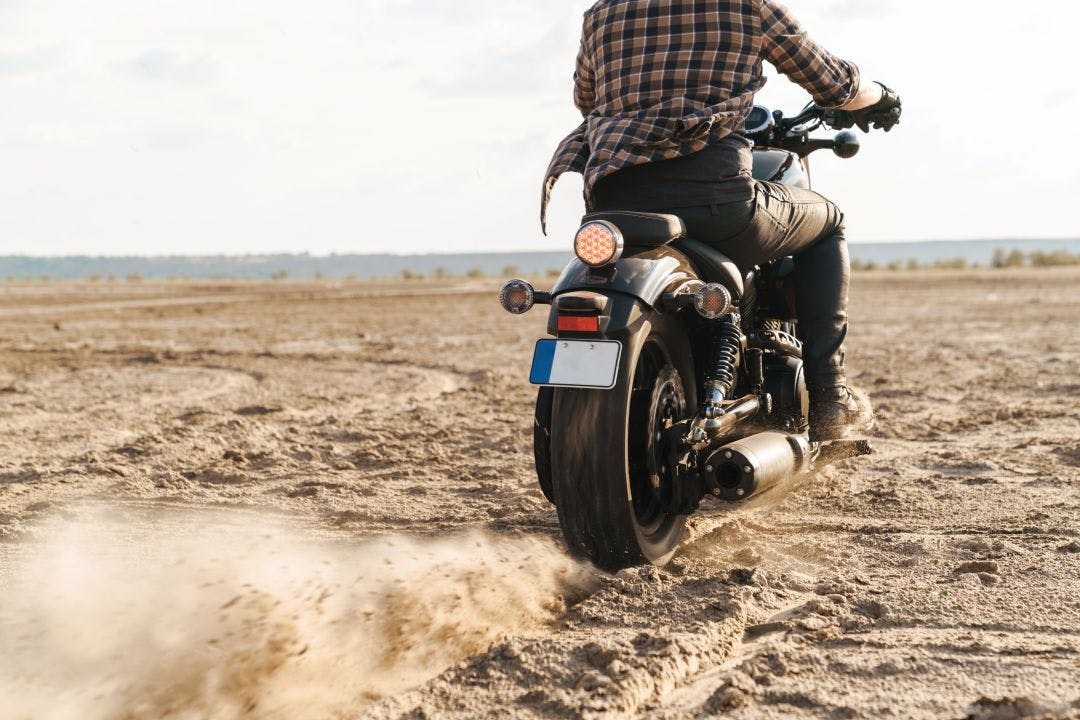
Desert motorcycle riding offers a new experience, where open landscapes and challenging terrain test your riding skills and endurance. But the desert’s extreme climate and remote locations require careful prep- it’s generally not something you just take your bike on one day randomly. This guide will cover everything you need to know—from essential bike modifications and gear to safety tips—to make sure you have a successful desert motorcycle adventure.
DISCLAIMER Riders Share specifically prohibits the usage of motorcycle rentals for off-roading unless specifically designated by the owner. Riders Share off-road rentals are limited to Adventure and Dual Sport motorcycles.

1. Getting Your Motorcycle Desert-Ready
Riding on desert terrain demands specific bike adjustments and protective measures. Here’s how to prep your motorcycle to handle sandy, uneven landscapes:
- Lower Tire Pressure: For better traction on sand, reduce tire pressure to around 1 bar (approximately 14 psi). Lower pressure allows the tires to "float" over loose sand, reducing the chance of getting bogged down. For rocky terrain, increase the pressure to avoid punctures. Riders using inner tubes may also consider heavy-duty tubes, mousses, or the TUbliss system to reduce the risk of punctures from sharp rocks or thorns.
- Install Protective Gear: Sand and rocky trails are tough on motorcycles, so it’s vital to armor up. Equip your bike with a skid plate to protect the undercarriage from rocks, radiator guards to prevent overheating, and handguards to shield controls. In rocky areas, these protections are essential, while in softer sand, you may choose to keep the bike lighter by minimizing extra armor.
- High-Profile Tires and Paddle Tires: In sandy regions, high-profile front tires like the Shinko 90/100 "fatty" can provide better stability by keeping the front wheel on top of the sand. For deep sand or dune riding, a rear paddle tire is recommended for optimal traction. Always do your research or consult local riding groups for specific tire recommendations based on your riding location.
- Steg Pegz and Steering Dampers: Steg Pegz (rubber pucks that stabilize your boots) help reduce strain on your upper body, especially helpful for long stretches of standing on the footpegs. A steering damper can also improve control by reducing handlebar movement in soft sand and rocky terrain. These upgrades are optional but can be beneficial for riders who frequently ride in desert conditions.
2. Essential Gear for Desert Riding
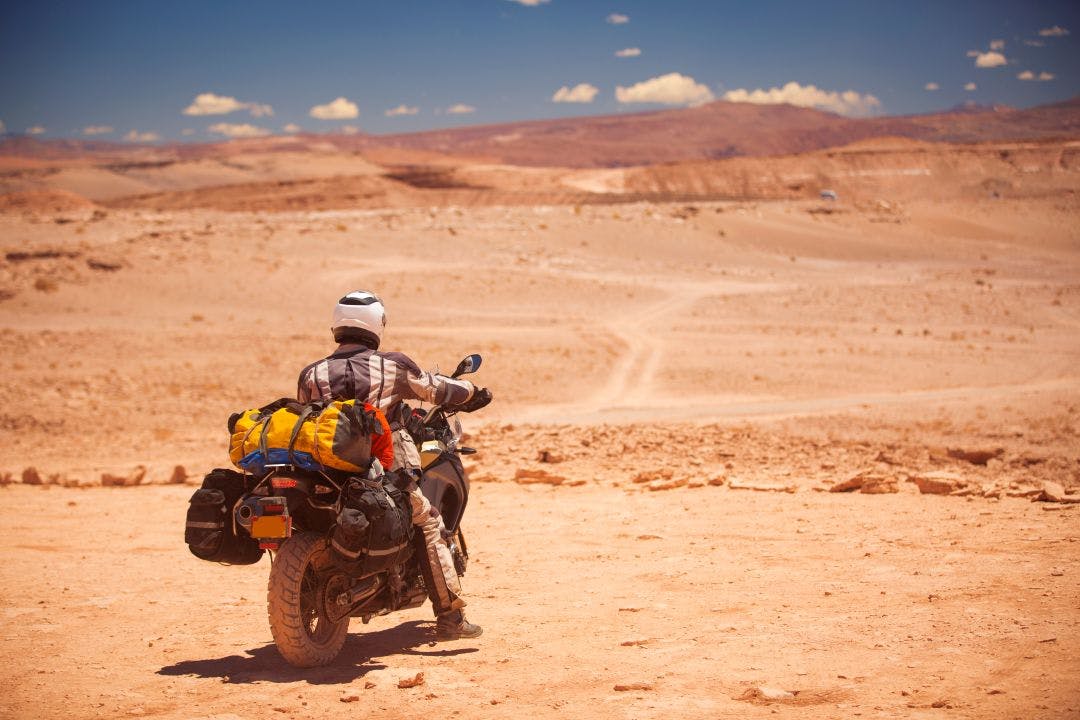
The right gear can make a huge difference in comfort and safety. Here are some essentials:
- Hydration Pack: Dehydration is a major risk in the desert. A hydration backpack allows you to sip water hands-free while riding. Pack extra water in jerry cans or thermal flasks for refills and emergencies.
- Protective Clothing: Invest in a ventilated tech suit with removable thermal layers. For lower temperatures in the evening, pack a lightweight jacket. An enduro or cross helmet with dust-protective goggles is essential, as is a neck scarf for added dust protection.
- Navigation Tools: Cell service can be sparse in the desert, so bring a GPS device along with your smartphone. GPS beacons or satellite communicators are highly recommended for remote trips to ensure emergency contact when needed.
- Basic Tool Kit and Spare Parts: Include a toolkit tailored to your bike model, spare tubes or tire patches, extra oil, and chain lube for daily maintenance. A compact air pump will come in handy if you need to adjust tire pressure on the go. For added protection against dust, consider adding an air filter “sock” over your air filter to extend its life and make cleaning easier.
3. Mastering Sand Riding Techniques
Sand riding requires skill and patience. Here are some tips for maintaining control on sandy surfaces:
Soft Sand Motorcycle Riding:
- Throttle Control: Apply the throttle gradually to prevent the rear wheel from digging in. Avoid sudden acceleration, which can cause the bike to sink. Keep your movements smooth and consistent to maintain forward momentum.
- Weight Distribution: Stand on the footpegs and keep your body weight slightly back to help the front tire float. Avoid using the front brake; instead, reduce speed by easing off the throttle.
- Speed Matters: Riding faster on sand can help the wheels “float” rather than sink, making it easier to navigate soft terrain. However, only ride at speeds you feel comfortable controlling.
- Stay Relaxed: Let the bike move beneath you without trying to over-control it. The shifting sand will cause some instability—relax, keep your arms loose, and trust your stance.
Rocky Terrain Motorcycle Riding:
- Stand and Balance: Just like on sand, standing on the footpegs with your weight slightly back helps control the bike. Your legs act as extra suspension, reducing the impact of rocks.
- Use the Rear Brake: Rely more on the rear brake than the front in rocky areas to maintain traction. Riding in a higher gear can lower engine revs, giving you smoother control and reducing rear-wheel spin on loose rocks.
- Maintain Clear Vision: Stay out of other riders’ dust trails for better visibility. If you’re riding with a buddy, stay off their “rear quarter” to avoid their dust while maintaining proximity.
4. Safety and Emergency Preparedness
Safety is critical when riding in remote desert areas. Here are some precautions to keep in mind:
- Ride with a Buddy: Having a riding companion increases safety, especially if you encounter mechanical issues or need assistance. If you’re alone, make sure someone knows your planned route and expected return time.
- Pack an Emergency Kit: Include a first-aid kit with any personal medications, a tire repair kit, and a flashlight. A GPS safety beacon can provide emergency assistance if you’re stranded without cell service.
- Time Your Ride Wisely: The desert can be extremely cold at night, so plan your rides for early morning and late afternoon when temperatures are more moderate. Check weather forecasts and avoid extreme heat whenever possible.
5. Top Desert Riding Spots in the Southwest
If you’re looking for popular desert destinations, the American Southwest offers numerous options for adventure. Here are a few top spots:
- Ocotillo Wells SVRA, California: With over 85,000 acres of trails, this state vehicle recreation area is open to off-road enthusiasts year-round. A mix of rocky and sandy terrain makes it perfect for testing desert riding skills.
- Imperial Sand Dunes (Glamis), California: Known for its expansive sand dunes, Glamis requires a permit during peak season. Be sure to use paddle tires and a visibility whip for safety, as the dunes attract many off-roaders.
- Apex Nellis Dunes, Nevada: Located near Las Vegas, this area provides varied terrain and scenic views. Nellis Dunes is popular for events like the Mint 400 race, making it a vibrant choice for desert riders.
- Boulders OHV Area, Arizona: This area near Phoenix offers over 200 miles of trails with a mix of sand and single-track paths, making it a versatile option for different riding levels.
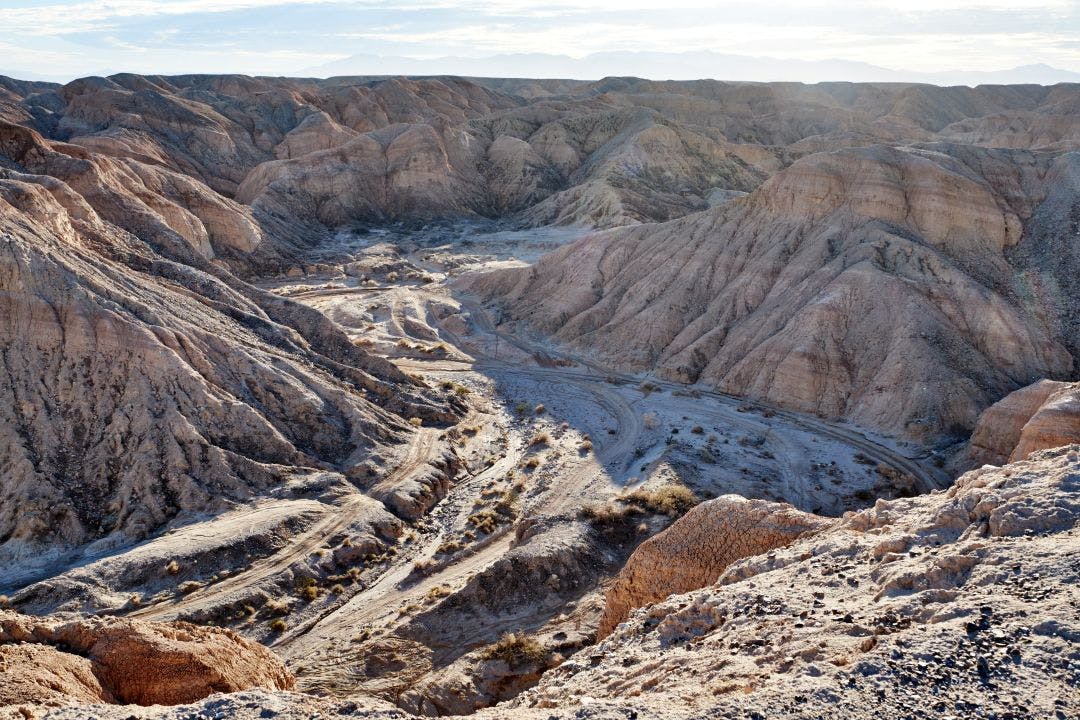
- Box Canyon / Florence OHV Trails, Arizona: Situated near Florence, Arizona, halfway between Phoenix and Tucson, Box Canyon provides a variety of trails featuring sand washes, unique rock formations, and narrow canyons. The Bureau of Land Management (BLM) manages this area, making it great for both adventure-seeking riders and beginners. Known for challenging rock climbs and scenic views, Box Canyon offers a remote and rugged desert experience.
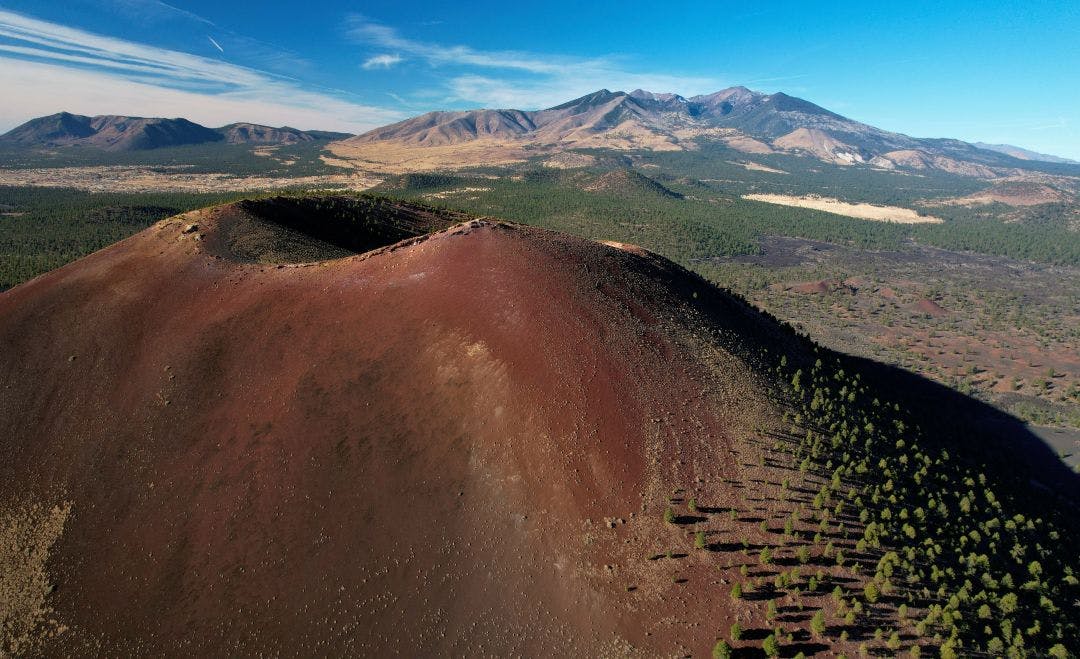
- Cinder Hills OHV Area, Arizona: Located in the Coconino National Forest near Flagstaff, Arizona, Cinder Hills offers a distinctive volcanic landscape that resembles desert terrain. With 13,500 acres of soft volcanic soil, it’s a challenging playground for riders who enjoy sand-like surfaces and hilly trails. Open year-round, Cinder Hills provides a unique experience with scenic views of the San Francisco Peaks.
Rent a Motorcycle with Riders Share On & Off-Road For Your Next Adventure
Ready to explore the desert but don’t have your own bike? Riders Share makes it easy to rent a motorcycle for both on and off-road adventures in popular cities near top desert riding spots, like Phoenix, Tucson, and Southern California. With Riders Share’s unique off-road policy, you can find dual sport and adventure bikes that are approved for off-road use, letting you tackle rugged trails and open desert landscapes. For more information on off-road usage, click here.
Keep in mind that each bike’s owner sets their own rules, so some bikes may be limited to street riding only. However, many owners do allow off-road use on specific models designed for the terrain. Whether you're looking to ride through the dunes of Glamis, the rocky trails of Arizona, or the vast open spaces near Las Vegas, Riders Share connects you to the perfect bike for an unforgettable desert adventure.
Final Tips for a Successful Desert Motorcycle Adventure
Desert riding is challenging yet rewarding, offering a combination of scenic views and trails. Keep these final tips in mind for a memorable experience:
- Stay Hydrated and Well-Rested: Start each day with plenty of water and rest to tackle the physical demands of desert terrain.
- Practice Patience: Sand riding takes time to master. Take it slow and steady, and enjoy the journey.
- Prep Your Bike After Each Ride: Sand can wear down parts quickly, so inspect and clean your bike thoroughly after each desert outing.
Whether you’re exploring the dunes or navigating rocky trails, proper preparation and technique will help you tackle the desert with confidence. With these tips, you’ll be ready for an unforgettable desert motorcycle adventure.
Related Articles
Mon - Fri: 8-8 CT
Weekends: 9-8 CT
