Essential Gear for Riding in Florida’s Climate
Dec 13, 2024
Tags:guidefloridaflgear
Riding a motorcycle in Florida offers a unique mix of challenges and rewards. From the state’s humid summers to sudden rain showers, the Sunshine State demands a thoughtful approach to motorcycle safety gear. Whether you’re riding along scenic coastal highways or navigating urban traffic, having the right equipment can make all the difference in staying safe and comfortable. Here’s a breakdown of the essential Florida riding gear you’ll need to meet legal requirements and personal safety needs.
Recommended Motorcycle Gear for Florida’s Climate
Choosing the right Florida riding gear is critical for comfort and protection in Florida’s hot, humid climate. Proper gear will not only keep you as cool as possible under the sweltering Florida sun, but it will also help you maintain your health. Getting overheated and sweating excessively can take a toll on your energy.
While the right gear can protect you in an accident, the wrong choices could leave you overheating, exposed, or unprepared for Florida’s unpredictable weather. Below, we break down the best Florida motorcycle gear to keep you cool and safe while suggesting gear to avoid.
1. Well-Ventilated Helmets
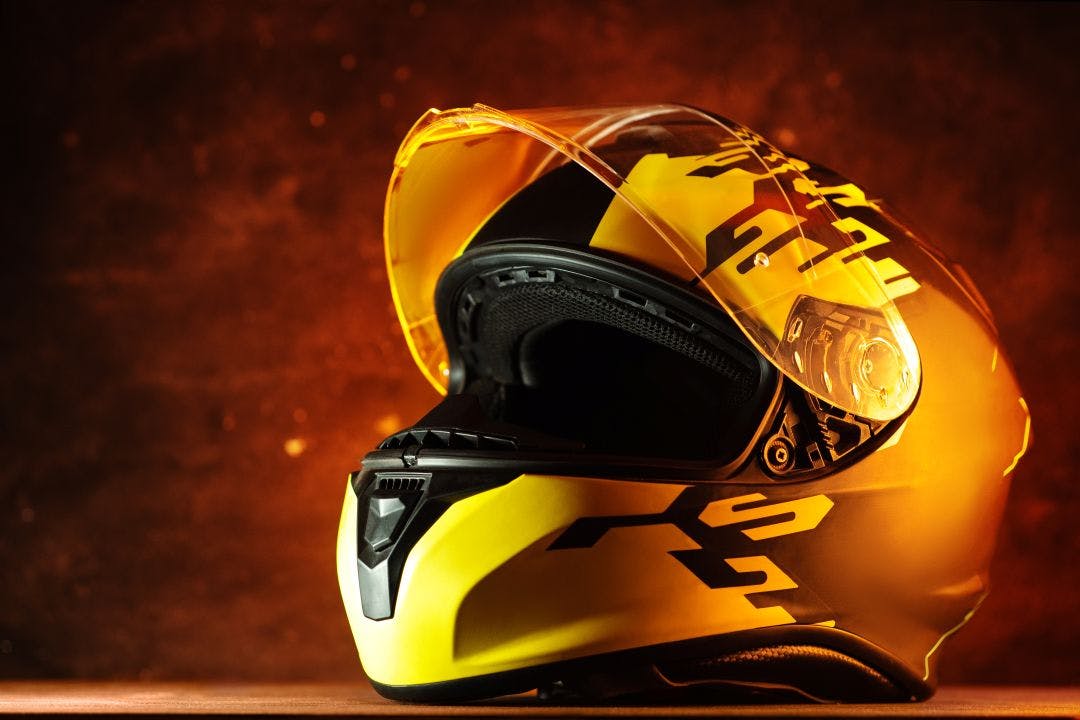
Even though Florida law allows riders over 21 to skip helmets with proper insurance coverage, it’s highly recommended to wear one every time you ride. Helmets protect your head during a crash while shielding you from debris, wind, and harmful UV rays. For Florida’s heat, look for helmets that prioritize ventilation and lightweight materials.
What to Wear:
- Full-Face Helmets: Maximum protection for your head, face, and chin.
- Ventilated Models: Helmets with multiple air vents to allow airflow.
- Lightweight Materials: Fiberglass or carbon fiber reduces neck strain during long rides.
- Moisture-Wicking Padding: Helps manage sweat for added comfort.
What to Avoid:
- Heavy or outdated helmets without proper ventilation.
- Budget helmets that prioritize cost over safety and comfort.
- Helmets lacking moisture-wicking features, which can become uncomfortable in high heat.
- Open-face or half helmets that expose your face to debris and the sun.
2. Breathable Jackets
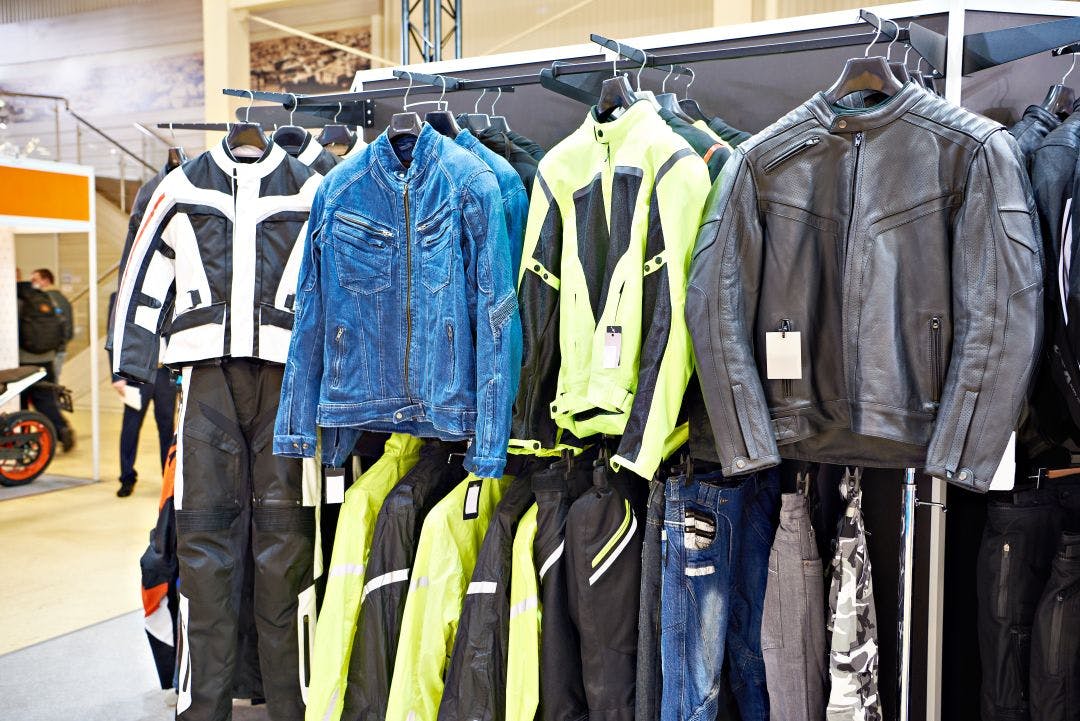
A jacket is your first line of defense against road rash and other injuries, but in Florida’s heat, you need one that breathes. Mesh and textile jackets are ideal, offering protection while allowing airflow. Avoid heavy leather jackets without perforation, as they trap heat and can make your ride unbearable.
What to Wear:
- Mesh or Textile Jackets: Lightweight and breathable, designed for hot weather.
- Kevlar or Cordura: Durable materials that provide abrasion resistance.
- Hi-Vis or Reflective Colors: Improves visibility in low-light conditions.
What to Avoid:
- Non-perforated leather jackets that trap heat.
- Dark-colored jackets without reflective features, which absorb sunlight and reduce visibility.
- Fashion jackets without any protective features.
3. Mesh and/or Waterproof Gloves
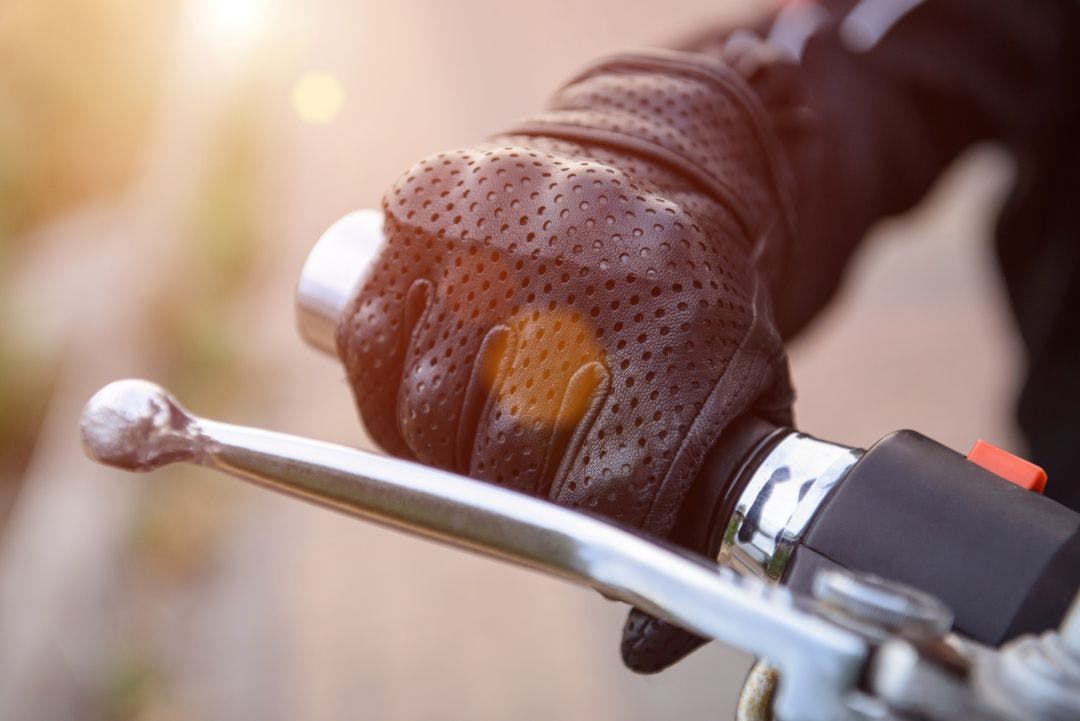
Protecting your hands is essential, especially in case of an accident. Gloves shield against sunburn and provide grip and vibration dampening. In Florida, mesh gloves are a great choice for airflow, and waterproof options come in handy for the sudden rain that’s common during the state’s wet season.
What to Wear:
- Mesh Gloves: Allows airflow to keep your hands cool.
- Reinforced Palms: Adds grip and durability.
- Waterproof Options: Protects your hands during rain showers.
What to Avoid:
- Thin, non-protective gloves that provide no safety in a crash.
- Fingerless gloves, which leave your fingers exposed.
- All-leather gloves without perforation, which trap sweat and heat.
4. Protective Pants with Good Airflow
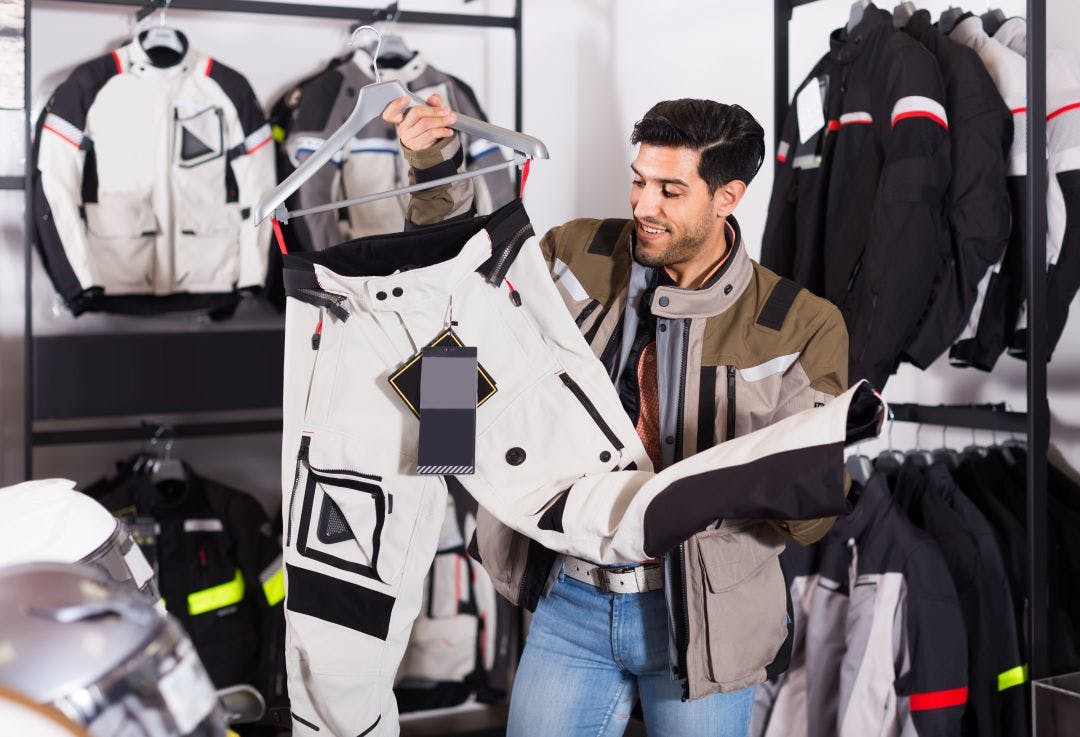
While regular jeans may seem like an easy choice, they offer little protection in an accident. Florida riders should look for Kevlar-reinforced jeans or mesh pants for added safety and airflow. Rain pants are a great addition to protect you during sudden downpours.
What to Wear:
- Kevlar-Reinforced Jeans: Abrasion-resistant while maintaining a casual look.
- Mesh Riding Pants: Lightweight and ventilated for hot weather.
- Rain Pants: Waterproof and compact, perfect for Florida’s frequent rain showers.
What to Avoid:
- Regular denim jeans, which lack abrasion resistance.
- Shorts or baggy pants that expose your legs or can get caught in bike parts.
- Fashion pants that offer no protective features.
5. Breathable Footwear
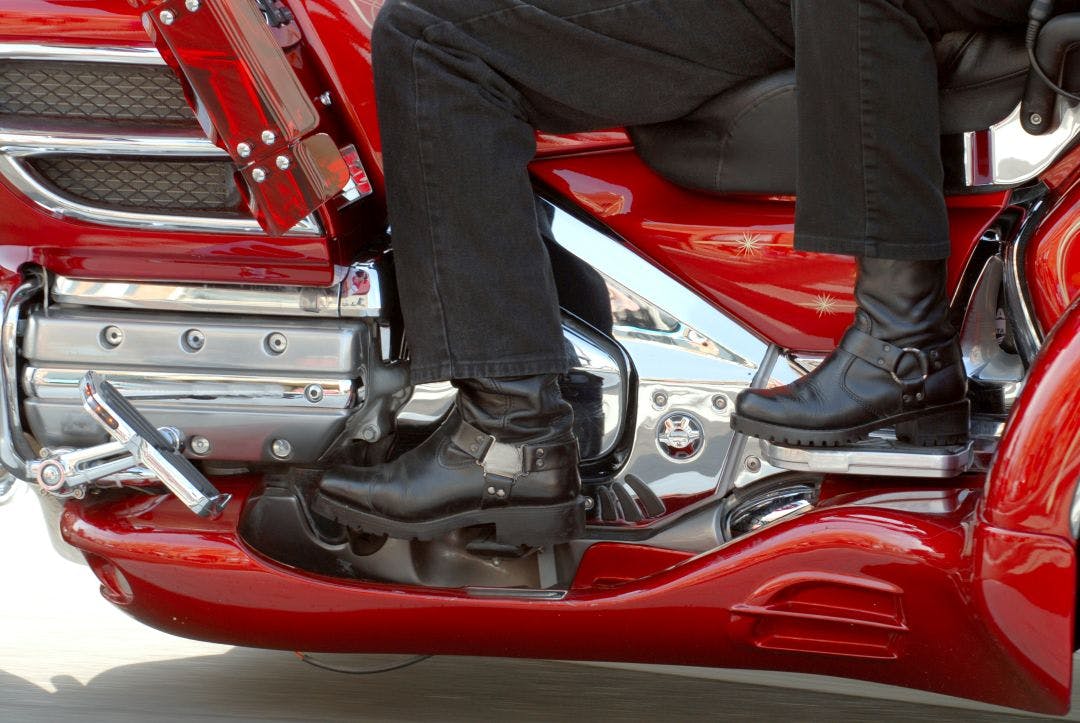
Proper footwear is a must for safe riding. Over-the-ankle boots provide support and protection for your feet and ankles in case of an accident. Look for breathable materials to keep your feet cool, and pair them with thin, moisture-wicking socks.
What to Wear:
- Over-the-Ankle Boots: Protects your feet and ankles during a crash.
- Breathable Materials: Perforated leather or mesh for better airflow.
- Thin Socks: Moisture-wicking socks to manage heat and prevent sweat buildup.
What to Avoid:
- Flip-flops, sandals, or open-toed shoes that leave your feet exposed.
- Sneakers or low-cut shoes that don’t provide ankle protection.
- Heavy boots without ventilation, which trap heat and make your feet sweat.
Legal Riding Gear Requirements in Florida
As you consider the best Florida riding gear for you, keep in mind the state itself mandates a few rules for what riders must wear:
- Helmets: Riders under 21 must wear a DOT-approved helmet at all times. For riders 21 and over, helmet use is optional if you carry at least $10,000 in medical benefits coverage as part of your motorcycle insurance. Riders Share always recommends wearing for added protection. Head injuries are the leading cause of motorcyclist fatalities, and helmets are proven lifesavers.
- Eye Protection: All riders must wear DOT-approved eye protection, such as goggles or a visor, unless the bike has a windshield. This protects against debris, wind, and insects that could impair vision while riding.
Tips for Staying Comfortable in Your Florida Motorcycle Gear
Wearing full gear in Florida’s sometimes oppressively humid climate can feel uncomfortable, but it’s always better to sweat than risk injury. With that said, here are some tips to stay cool while keeping safe:
- Choose Ventilated Gear: Look for jackets, pants, and helmets with built-in ventilation panels or mesh inserts. These allow air to circulate, preventing overheating.
- Wear Moisture-Wicking Base Layers: Use lightweight, moisture-wicking shirts and leggings under your gear to stay dry and reduce irritation from sweat.
- Stay Hydrated: Carry a hydration pack or stop frequently to drink water. Florida’s heat can quickly lead to dehydration, which impairs focus and reaction times.
- Plan Your Rides: Avoid riding during the hottest parts of the day. Early morning or late evening rides are cooler and more enjoyable.
- Carry Rain Gear: Florida’s weather is unpredictable. A compact, waterproof rain jacket and pants can keep you dry and maintain visibility in sudden downpours.
Experience Florida's Best Routes with a Guided Tour
Once you've got the right gear dialed in, the next step is finding roads worth riding. Riders Share offers guided motorcycle tours across Florida that take you through the state's most scenic routes, from coastal highways to backroad gems. A guided experience means someone else handles the route planning while you focus on staying cool and enjoying the ride.

What Not to Wear While Riding in Florida
To stay safe and avoid discomfort, avoid the following:
- Non-Reflective or Dark Clothing: Makes you less visible to other drivers, especially at night.
- Shorts or Baggy Pants: Offers little protection and can get caught in moving parts.
- Flip-Flops or Open-Toed Shoes: Leave your feet vulnerable to abrasions or impacts.
- Old or Outdated Helmets: May not meet modern safety standards. Replace helmets every 5–7 years or after a crash.
Times of Year to Avoid Riding a Motorcycle in Florida
Florida offers year-round riding opportunities, but certain times of the year present challenges due to weather. Hurricane season (June to November) brings heavy rain, strong winds, and potential flooding, particularly from August to October.
Summer (June to September) features extreme heat, high humidity, and daily afternoon thunderstorms that can make riding hazardous and uncomfortable, particularly when you’re decked out in full safety gear. In winter (December to February), occasional cold fronts and frost in northern areas can make early-morning rides tricky, and during spring (March to May), high pollen counts may irritate allergies.
The best times to ride are during fall (November to early December) and spring (March to May), when temperatures are mild, humidity is low, and weather conditions are ideal. Always check forecasts, prepare for rain, and avoid peak tourist seasons like spring break and the winter holidays to minimize traffic and safety risks.
Rent a Motorcycle in West Palm Beach, Florida with Riders Share
No ride through Florida would be complete without some trips in and around West Palm Beach. Here, the tropical climate and ocean breezes set the stage for incredible motorcycle adventures. If you’re looking for a specific bike to make the most of your experience here, why not check out some motorcycle rentals in West Palm Beach from Riders Share? We carry motorcycles from top brands such as Harley-Davidson, BMW, Honda, and more. And, as always, make sure you’re equipped with the right gear to handle Florida’s unique weather conditions.

The Right Florida Motorcycle Gear for More Enjoyable Rides
Riding in Florida comes with its share of challenges, but having the right gear can make all the difference. Prioritize safety by adhering to Florida’s legal requirements, but go a step further with protective clothing designed for the state’s unique climate. Whether it’s breathable jackets, mesh gloves, or moisture-wicking base layers, investing in quality gear ensures a safer, more enjoyable ride.
Remember, sweating a little is far better than dealing with road rash or severe injuries. Gear up wisely, and ride safely!
Related Articles
Mon - Fri: 8-8 CT
Weekends: 9-8 CT
