Here's How Japan Dominated the Motorcycle Industry
Mar 22, 2025
Tags:suzukihistoryhondayamahakawasaki
Japan didn’t just enter the world motorcycle production and follow what others were doing. It completely redefined what motorcycles could be by producing bikes that were faster, more reliable, and more affordable than their American and European counterparts. By the 1960s, Honda, Yamaha, Suzuki, and Kawasaki weren’t just competing with established brands. They were setting new standards, forcing the entire industry to evolve and keep up.
Below, we’ll take a closer look at how Japan dominated the motorcycle industry and became the global leader in two-wheeled innovation.
Why is Japan So Good at Making Motorcycles?
Japan’s success in the motorcycle world comes down to a mix of innovation, precision, and a deep understanding of what riders need. Instead of sticking to old methods, manufacturers focus on improving designs and making production more efficient. That kind of attention to detail allows them to build high-quality motorcycles while keeping costs under control. On top of that, motorcycles are a big part of daily life in Japan, which means there’s always a drive to make them better in ways that actually matter to riders.
The Early Days of Japanese Motorcycles
Japan’s motorcycle production didn’t start with the big names everyone knows today. In the early 1900s, most motorcycles in Japan were either imported or built using parts from European brands. Local manufacturers were still figuring things out, experimenting with designs that often took inspiration from bikes made in Germany and the UK.
By the 1930s, Japanese companies had started producing motorcycles on a larger scale, but they weren’t yet making a big impact outside the country. These early bikes were simple and designed more for basic transportation than anything else. The industry was growing, but it was still in its early stages, and Japan had yet to develop the reputation that would eventually make it a global leader.
The Post-War Boom That Changed Everything
After World War II, Japan’s economy was struggling, and people needed a way to get around that didn’t cost a fortune. Cars were out of reach for most, and public transportation wasn’t always convenient, so motorcycles became the obvious solution. With demand growing, more companies started building bikes, using whatever materials were available to get production off the ground.
At first, these motorcycles were simple and focused on basic transportation, but as manufacturers competed to stand out, they started improving their designs. Engines became more refined, build quality got better, and innovation became a key focus. Instead of just making motorcycles for everyday use, Japanese companies began looking at how they could push performance and technology forward. That shift set the stage for what would come next and changed the industry in ways no one saw coming.
The Brands That Put Japan on the Map
By the 1950s, a few companies had started making a name for themselves, and each had its own approach to building motorcycles. Honda, founded by Soichiro Honda, focused on engineering and efficiency, creating motorcycles that were built with precision and designed to last. Yamaha, led by Genichi Kawakami, took a slightly different route, quickly earning a reputation for high-performance bikes that appealed to riders who wanted something a little more exciting. Suzuki and Kawasaki followed, each bringing something unique to the industry, and before long, these brands were competing not just with each other but with the biggest names in the business.
The Models That Changed the Industry
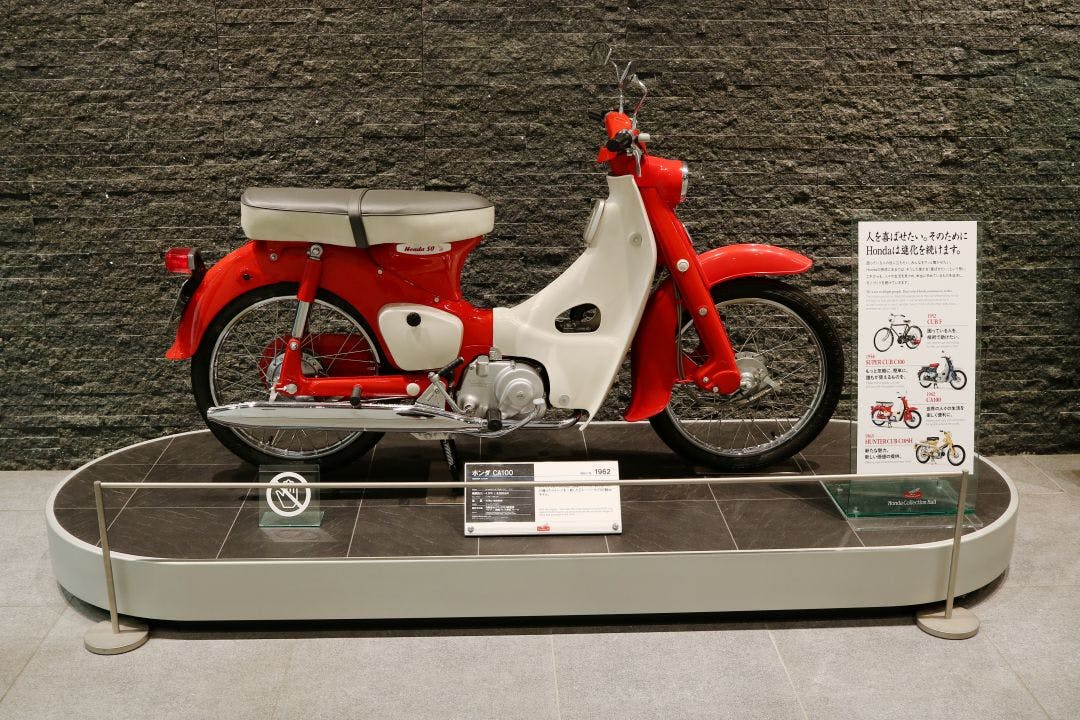
Several early models helped shift the world’s attention to Japanese motorcycles. One of the most significant was the Honda Super Cub, introduced in 1958. It was lightweight, easy to maintain, and designed for everyday use, making it one of the most practical motorcycles ever built. It went on to become the best-selling motorcycle of all time, proving that motorcycles could be more than just a hobby or sport—they could be a part of daily life.
As manufacturers started focusing on performance, bikes like the Honda CB750 and Kawasaki Z1 made a lasting impact. The CB750, released in 1969, introduced features that had never been seen on a mass-produced motorcycle, including an inline-four engine and a front disc brake. It set a new standard for power and technology, changing what riders expected from their motorcycles. The Kawasaki Z1 followed in 1972, offering even more speed and performance while showing that Japanese motorcycles could compete with the fastest and most powerful bikes in the world.
At the same time, Yamaha reshaped the off-road market with the Yamaha DT-1 in 1968. This was the first production dual-sport motorcycle, giving riders the ability to go from pavement to dirt trails without sacrificing performance. It created a new category of motorcycles and proved that Japanese manufacturers weren’t just focused on one type of riding. They were exploring every way to make motorcycles more capable and accessible to all kinds of riders.
How Japan Took Over the Motorcycle Market in the United States
By the 1960s, Japanese motorcycles were already making an impact, but breaking into the United States was a completely different challenge. At the time, American and European brands dominated the market, and many riders saw Japanese motorcycles as cheap alternatives rather than serious competitors. That perception didn’t last long.
Instead of going head-to-head with the heavyweight cruisers and large-displacement bikes that were popular in the U.S., Japanese manufacturers took a different approach. They focused on smaller, more affordable motorcycles that were easy to ride and appealed to a much wider audience. Honda led the way with the Honda Super Cub, launching a marketing campaign built around the slogan ‘You meet the nicest people on a Honda.’ This completely changed how people saw motorcycles. Instead of being associated with outlaw biker culture, they became something anyone could own and enjoy.
The combination of smart marketing, innovative designs, and a reputation for dependability helped Japanese manufacturers dominate motorcycle sales in the U.S., reshaping the market for years to come.
Numbers Don’t Lie
In 2024, Japanese manufacturers continued to hold a strong position in the U.S. market. Honda led with a 20% market share, slightly edging out Harley-Davidson, which held a 19.9 percent share. Yamaha, Kawasaki, and Suzuki also maintained significant portions of the market, contributing to nearly half of all motorcycle sales in the United States.
What the Future Holds for Japanese Motorcycles
After reshaping the motorcycle market in the United States and around the world, Japanese manufacturers continue to lead the way in innovation. While their early success came from smart marketing and reliable engineering, today’s focus is on advanced technology, electric models, and pushing performance even further.
Companies are investing in hybrid and fully electric motorcycles, exploring self-balancing technology, and improving safety features to meet the changing expectations of riders. At the same time, they continue refining gas-powered models, proving there is still room for improvement in traditional designs. Just as they have in the past, Japanese brands are not just keeping up with trends. They’re the ones setting them and shaping what the next generation of motorcycles will look like.
Browse Japanese Motorcycle Rentals on Riders Share
If you want to experience the reliability and power of these machines for yourself, Riders Share makes it easy with a wide selection of motorcycle rentals across the country. Whether you’re looking for a classic model that changed the industry or a modern ride that showcases the latest technology, you can find it on our platform. Riders Share offers brands like Honda, Yamaha, Suzuki, Kawasaki, and more! With flexible rental options and an easy booking process, Riders Share gives you the chance to get on a bike that fits your style without the commitment of ownership. Browse our selection today and see why Japanese motorcycles remain some of the best on the road.

Start Earning Money from Your Japanese Motorcycle
Japanese motorcycles have proven their value over the years, and if you own one, you can turn it into a source of extra income with Riders Share. Our platform lets you rent out your bike to verified riders, giving others the chance to experience the reliability and performance that make Japanese motorcycles so popular. Listing your motorcycle takes less than 10 minutes, and approvals are usually completed within 24 hours, so you can start earning quickly. Instead of letting your bike sit in the garage, put it to work and make money while sharing the ride with others. Get started today and see how easy it is to turn your motorcycle into a rental on Riders Share!

Related Articles
Mon - Fri: 8-8 CT
Weekends: 9-8 CT
