Your Complete Guide to Group Riding: Etiquette, Signals, & More
Aug 25, 2024
Tags:inforentersriders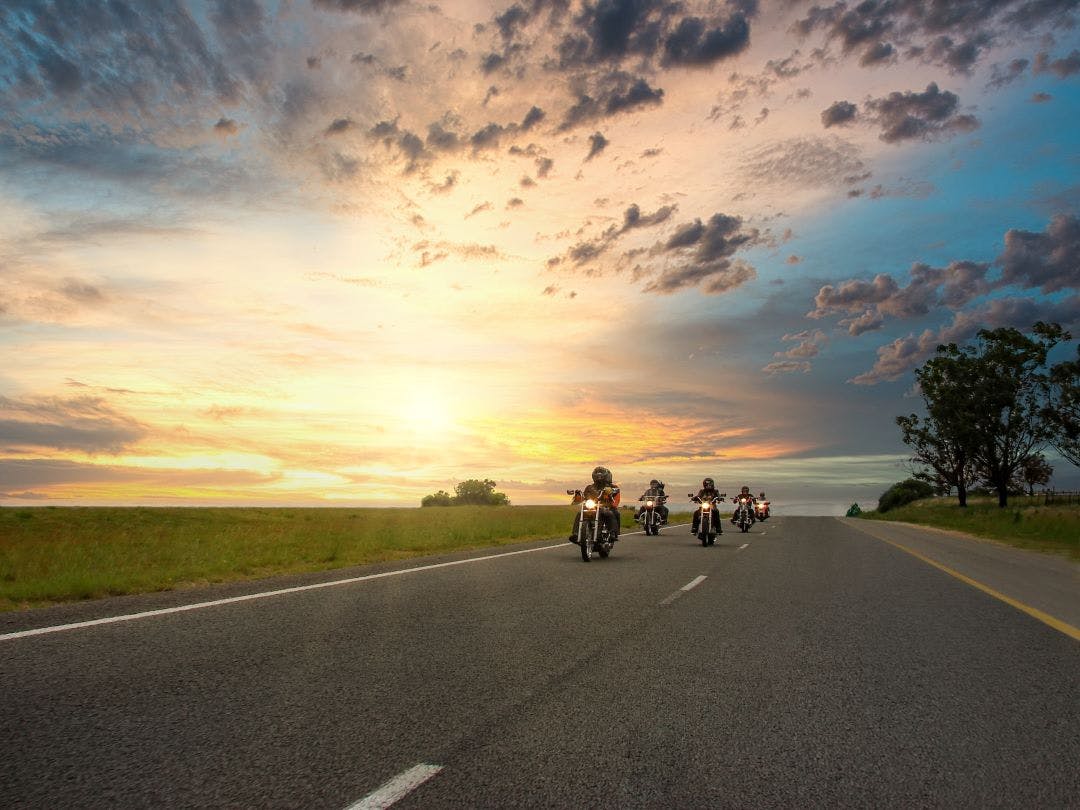
Riding in a group can transform a regular motorcycle ride into a memorable experience. It offers the chance to share the road with friends, learn from fellow riders, and enjoy the safety of numbers. But to make the most of group rides, it's essential to understand the proper etiquette and hand signals that keep everyone coordinated and safe. This complete guide covers all you need to know about riding in a motorcycle group, including standard group riding etiquette and the signals that’ll help you out in the long run.
Planning the Motorcycle Group Ride
Planning a motorcycle group ride involves a few key steps to make sure everything goes smoothly, and everyone has a great time.
Choosing a Route
The first, and oftentimes the most exciting, part of a motorcycle ride is getting to choose which route your group will be taking. Think about the skill levels of all riders and pick a route that everyone can handle. Be sure to plan for rest stops and gas stations along the way to keep everyone comfortable and ready to ride.
Scheduling and Timing
Getting everyone’s schedule to match up might not be the easiest task. Plan the ride well in advance and consider starting early in the day to avoid heavy traffic and have plenty of daylight. Be mindful of the total ride time, including breaks, so the trip isn’t too long or tiring for anyone.
Setting Meeting Points
Setting clear meeting points for the start of the ride and any planned stops along the way helps keep everyone organized and makes sure no one gets lost or left behind. Choose easy-to-find locations, like gas stations or popular landmarks, where riders can regroup and take a break if needed.
Communication Before the Ride
Good communication is key to a successful group ride. Make sure everyone knows the route, schedule, and meeting points ahead of time. Use group messaging apps or social media to stay in touch and share updates. Talk about any specific signals or riding formations you plan to use so everyone is on the same page and can ride safely together.
Roles within the Motorcycle Group
In a motorcycle group, everyone has a role to keep the ride safe and fun. Usually, a motorcycle group ride has three specific roles:
- Ride leader
- Sweep rider
- Middle riders
The ride leader is at the front, and they’re the ones who guide the group and set the pace of the ride. The sweep rider, typically an experienced rider who knows what to do in case of an accident, stays at the back, making sure no one gets left behind and helping with any issues. Middle riders help keep the group together and pass signals from the leader to the back. When riding in a group, the least experienced riders should be in the middle. This way, they can follow more experienced riders and feel more secure while still being supported from both ends of the group.
Before the Ride
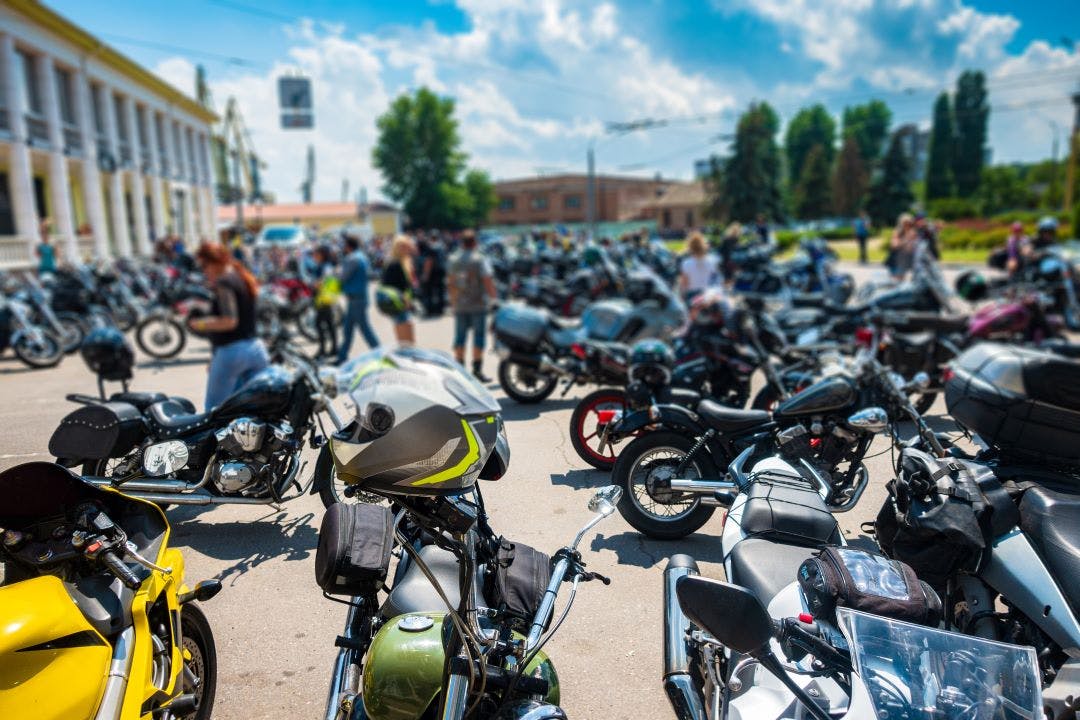
Before hitting the road, it's important to get everything set up properly. If you have a larger group at hand, consider splitting into smaller groups. This makes it easier to manage and keeps everyone safe. Each smaller group should have its own leader and sweep rider to keep things organized.
Make sure everyone has the essential gear, like helmets, gloves, jackets, and proper riding boots. It’s also a good idea to bring tools for minor repairs, a first-aid kit, and a fully charged phone for emergencies.
Check your bike thoroughly before the ride. Look at the tire pressure, brakes, lights, and oil levels to make sure everything is in good working order.
Most important of all: prepare yourself both mentally and physically. Get a good night's sleep before the ride and stay hydrated. Mentally, familiarize yourself with the route and the group riding rules. Being alert and well-rested helps you stay focused and enjoy the ride with your friends.
Motorcycle Group Riding Etiquette
When you're out on the road with a group of riders, knowing the right etiquette can make the difference between a smooth ride and a chaotic one. Here’s what you need to know to keep the ride safe and enjoyable for everyone.
Respecting Fellow Riders
Respect for your fellow riders is key. Communicate your intentions clearly using signals, avoid sudden moves, and keep a pace that suits the entire group. Remember, the ride is about everyone having a good time together, so being considerate of others’ comfort and safety is a must.
Maintaining Group Formation
Sticking to your group’s chosen formations foes hand-in-hand with prioritizing safety and organization. There are two main formations you’ll use in a group ride: staggered and single file.
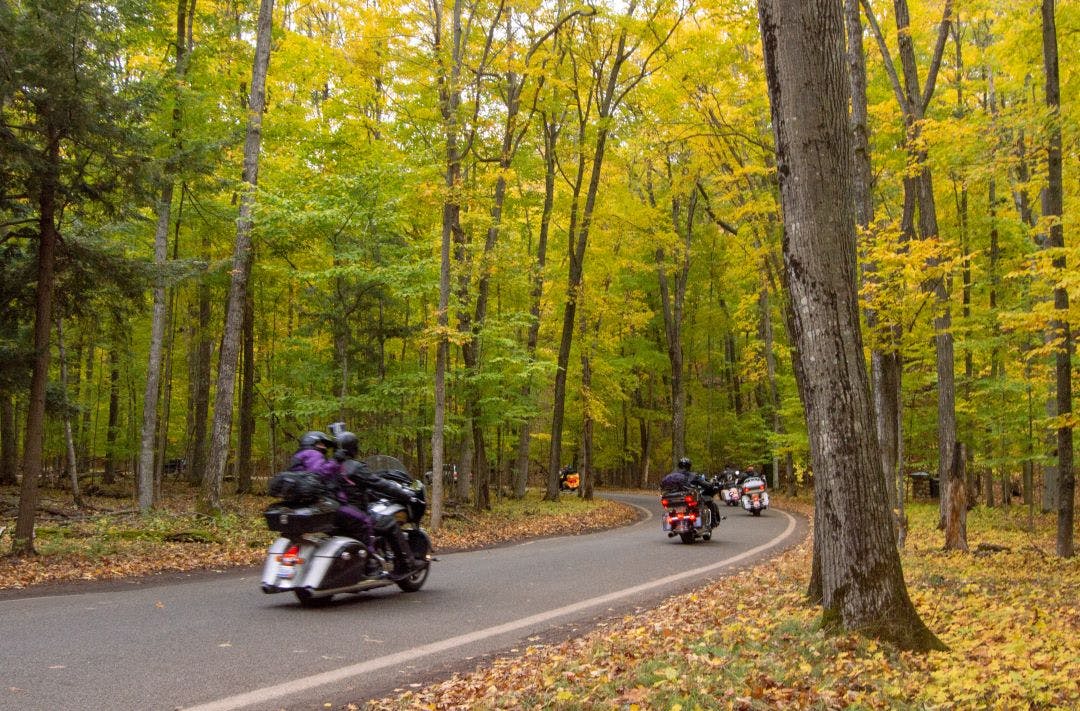
Staggered Formation: This formation has riders spaced out in a zigzag pattern. The leader rides on the left side of the lane, the next rider follows on the right side, and so on. This setup gives each rider enough space to react to the unexpected (potholes, accidents, etc) and maintains a clear view of the road ahead.
Single File Formation: In tighter or more challenging conditions, like winding roads or heavy traffic, a single file formation is best. Riders line up one behind the other, providing more room to maneuver and respond to the road ahead.
Speed and Spacing
Keep a safe distance to allow enough reaction time. In a staggered formation, aim for a one-second gap with the rider directly in front of you and a two-second gap with the rider diagonally ahead. Adjust your speed to stay with the group, but avoid tailgating.
Managing Traffic and Intersections
Navigating traffic and intersections as a group requires attention and coordination. Stay alert and be ready to stop or change lanes together. At intersections, the leader should signal the intended direction early and clearly. If the group gets separated, don’t panic. The lead group can pull over at a safe spot and wait for everyone to catch up.
Handling Breaks and Stops
Plan for regular breaks to rest and refuel. Choose safe and convenient spots where the whole group can stop together. During breaks, check on each other to make sure everyone is doing well. This keeps the group morale high and let’s the leader know whether or not everyone is ready to continue.
The Do’s & Dont’s of Motorcycle Group Riding
Do:
- Communicate clearly with hand signals.
- Maintain your position in the formation.
- Keep a consistent speed and safe distance.
- Check your bike and gear before the ride.
- Be considerate of all riders’ skill levels.
Don’t:
- Don’t make sudden moves or changes in speed.
- Don’t tailgate the rider in front of you.
- Don’t leave less experienced riders unsupported.
- Don’t forget to take breaks and check in with the group.
Motorcycle Group Riding Signals
The sounds of multiple motorcycle engines can make it hard to hear anything around you. Helmets and motorcycle goggles don’t help much with this either. That’s why motorcyclists, especially those riding in groups, use signals to keep each other alert and aware of what’s happening. Let’s take a look at some of the most common motorcycle riding signals so you know what to look out for and how to communicate on your next ride.
Hand Signals
- Left Turn: Extend your left arm straight out to indicate a left turn.
- Right Turn: Extend your left arm out and bend it up at a 90-degree angle, pointing your hand to the sky.
- Stop: Extend your left arm out and bend it down at a 90-degree angle, with your hand pointing to the ground.
- Speed Up: Extend your left arm out and swing it in an upward arc to signal the group to increase speed.
- Slow Down: Extend your left arm out and swing it in a downward arc to signal the group to reduce speed.
- Single File: Raise your left hand and extend your index finger to indicate that the group should switch to a single file formation.
- Staggered Formation: Raise your left hand and extend your index and middle fingers in a V shape to indicate the group should ride in a staggered formation.
Foot Signals
- Road Hazards: Point with your foot on the side of the hazard. For example, if there's debris on the right side of the road, point with your right foot to alert the riders behind you.
- Turn Signal Check: Point to your indicator lights with your foot if someone in the group has left their turn signal on.
Other Important Signals
- Horn: A short beep can get someone’s attention, while a long beep can signal an emergency.
- High Beams: Flashing your high beams can indicate a need for attention or signal an upcoming stop.
- Arm Up: Raise your left arm with a clenched fist to signal that you need to pull over for assistance.
- Helmet Tap: Tap the top of your helmet with your palm to indicate that there is a need to stop for assistance.
- Patting Head: Pat the top of your helmet with your open palm to signal that there are police ahead. This helps the group stay alert and follow traffic laws closely.
- Point to Tank: Point to your fuel tank to indicate that you need to stop for gas. This signal helps the group stay coordinated and avoid getting separated.
For some visual help, check out the Motorcycle Safety Foundation’s hand signal guide.
After the Ride
Wrapping up after a group ride is just as important as the ride itself. Taking a few moments for a post-ride debrief and some basic bike maintenance can make a big difference for your next adventure.
Post-Ride Debriefing
Gathering for a post-ride debrief is a great way to share experiences and feedback. It’s a chance to talk about the ride, discuss what went well, and highlight any issues that came up. Sharing stories and feedback helps everyone learn and improve for future rides. Plus, it’s a fun way to relive the best moments of the trip.
Bike Maintenance
Once the ride is over, give your bike a little TLC. Check your tires for any damage or wear, and make sure they’re properly inflated. Look over the brakes, lights, and fluid levels to make sure everything is working well. A quick clean-up can also help keep your bike looking sharp and ready for the next ride. Taking care of these small maintenance tasks right after the ride can prevent bigger issues down the road and keep your bike running smoothly.
So, You’ve Got the Basics of Motorcycle Group Riding Down. Here’s What Else You Need to Know
Once you've mastered the basics of motorcycle group riding, there are a few more things to keep in mind to make sure every ride goes smoothly. Here are some important aspects of group riding to consider.
Local Laws and Regulations for Motorcycle Group Riding
Every area has its own laws and regulations for motorcycle riding, and it’s good to know them before you hit the road. Some places may have specific motorcycle group riding rules, like limits on group size or restrictions on formations, so it’s important to always check local traffic laws to make sure you're following the rules and staying safe. This not only keeps you out of trouble but also helps maintain a positive image of motorcyclists in the community.
What to Do if You Get Separated from the Group?
Getting separated from the group can be stressful, but it’s important to stay calm. If you lose sight of the group, don’t panic. Pull over safely and try to contact the ride leader or another rider using your phone. It's a good idea to have a pre-arranged meeting point where everyone can regroup if someone gets lost.
What to Do if Someone Has an Emergency?
If someone in the group has an emergency, it’s important to act quickly and calmly. Signal the rest of the group to stop safely (review this signal in the hand signal section above!). Once stopped, assess the situation and call for professional help if needed. Having a first-aid kit and knowing some basic first aid can be really helpful. If the situation calls for emergency responders, make sure to provide clear information and follow their instructions until help arrives.
Can a Beginner Join a Motorcycle Group Ride?
Absolutely! Beginners are welcome to join motorcycle group rides. In fact, riding with a group can be a great way for beginners to learn and gain confidence. Just make sure to communicate your experience level to the ride leader before the ride. Experienced riders can offer tips and guidance, and positioning beginners in the middle of the group provides support and safety.
Our biggest advice with this would be not to get ahead of yourself. Yes group riding is exciting, but it won’t be too fun if you’re worried about the basics of riding and keeping up with everyone around you. Make sure you’ve got the basics down, have gone on a few rides yourself, and have learned to be comfortable with handling a bike. Once all that’s checked out, it’s time to join in on the fun!
Don't Have a Group? Join a Guided Tour Instead
Not everyone has a crew ready to ride, and organizing a group ride takes time. If you want to experience the fun of riding with others without the planning, Riders Share offers guided motorcycle tours across the country. You'll get the camaraderie of a group ride, an experienced lead rider who knows the route, and the chance to meet other riders along the way. It's a great option for beginners looking to build confidence or anyone who just wants to show up and ride.

Join in on the Group Riding Fun with a Motorcycle Rental from Riders Share
Don’t own a bike but still want to experience the excitement of group riding? Or maybe you want to try out a new bike for your next ride? A motorcycle rental from Riders Share is the perfect solution. With a wide selection of bikes to choose from, you can find the right one for your skill level and preferences. Renting a motorcycle lets you join in on group rides and explore new routes without the commitment of owning a bike. Connect with fellow riders, enjoy the experience, and make lasting memories.

Related Articles
Mon - Fri: 8-8 CT
Weekends: 9-8 CT
