Florida's Best Motorcycle Rides Including Coastal Roads and Routes Most Riders Miss
Mar 12, 2026
Tags:routesguidedaytona-beach-flrenterfloridatravelkey-west-flflmiami-florlando-fl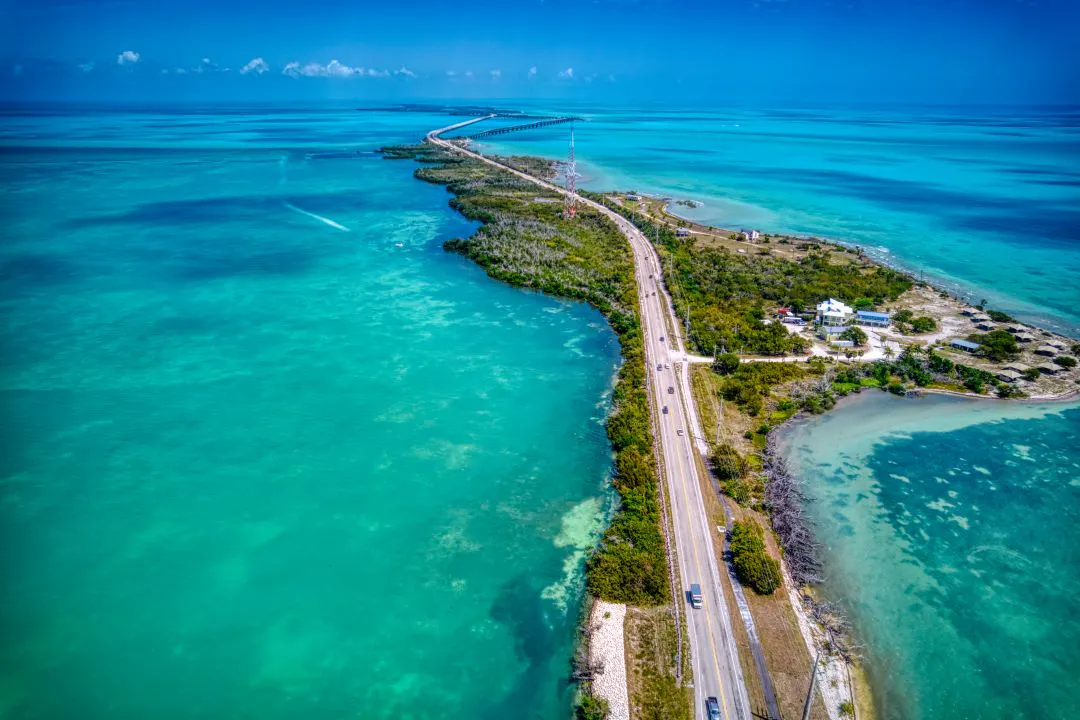
Florida is one of the best states in the country for scenic motorcycle rides, with routes that cover everything from 339 miles of Atlantic coastline on A1A to open-ocean bridge crossings through the Keys, shaded canopy loops near Daytona, and the only real hill riding on the Florida peninsula just outside Clermont. Below, we walk through 13 of the best motorcycle rides in Florida, with distances, difficulty levels, and seasonal tips to help you figure out which ones fit the kind of riding you're looking for.
Best Motorcycle Rides in Florida (Overview)
- A1A Coastal Highway (Amelia Island to Key West): 339 miles, Northeast to South Florida
- Overseas Highway (Miami to Key West): 165 miles, South Florida/Keys
- Ormond Scenic Loop: 34 miles, near Daytona Beach
- Sugarloaf Mountain Loop: 30-45 miles, near Clermont
- Old Florida Heritage Highway (US-441): 48 miles, south of Gainesville
- Tamiami Trail (US-41): 275 miles, Miami to Tampa
- Big Bend Scenic Byway: 220 miles, near Tallahassee
- Panhandle Gulf Coast Ride: 160 miles, Pensacola to Apalachicola
- Fort Lauderdale to Daytona Beach via A1A: 240 miles, Fort Lauderdale to Daytona Beach
- Green Swamp Loop: 130 miles, near Zephyrhills
- Micanopy Loop (CR 234 and CR 314): 40 miles, near Micanopy / Gainesville
- Croom Motorcycle Area (off-road): 55 miles of trail, Withlacoochee State Forest
- Ocala North OHV Trail (off-road): 14-35 miles, Ocala National Forest
A1A Coastal Highway (Amelia Island to Key West)
Start: Fernandina Beach, Amelia Island (near Georgia border)
End: Key West
Approximate distance: 339 miles across seven sections
Difficulty: Easy to moderate
The A1A motorcycle ride covers the full length of Florida's Atlantic coast, and the experience changes completely depending on where you pick it up. You start in quiet salt marsh near the Georgia border, cross the St. Johns River on a $6 ferry at Mayport, ride past the 17th-century Castillo de San Marcos in St. Augustine, pick up 34 miles of canopy roads on the Ormond Scenic Loop near Daytona, pass within a few miles of Kennedy Space Center launch pads on the Space Coast, and eventually roll through the beachfront of Fort Lauderdale before the road feeds into the Overseas Highway and the Keys. Most riders break A1A into sections, and that's honestly the best way to do it because each one feels like a different ride.
A1A Motorcycle Ride (Section by Section)
- Amelia Island to St. Augustine (about 63 miles): Two-lane roads through salt marsh, a $6 ferry crossing over the St. Johns River at Mayport that runs every 30 minutes, then about 40 miles of beachfront road and shaded highway into St. Augustine.
- St. Augustine to Daytona Beach (about 55 miles): Open Atlantic views through Flagler Beach and Ormond Beach. Heavier traffic during Bike Week (late Feb/early March), but manageable the rest of the year.
- Daytona to the Space Coast (about 70 miles): Canaveral National Seashore and Kennedy Space Center are both within a few miles of A1A here. If you can time a ride around a launch, it makes the whole trip.
- Space Coast to Fort Lauderdale (about 180 miles): Longest section, running through Palm Beach, Boca Raton, and beachside communities. Some drawbridge pauses and heavier traffic farther south, but the ocean stays close the entire way.
- Fort Lauderdale to Key West: A1A merges into US-1 and becomes the Overseas Highway through the Keys, covered in the next section.
Is A1A a Good Motorcycle Ride?
A1A is one of the best motorcycle rides in Florida and one of the better coastal rides in the country. You're not locked into one type of riding for 300+ miles, so you can spend a morning on the quiet northern section between Amelia Island and St. Augustine, take the Ormond Scenic Loop as a stand-alone detour near Daytona, or connect the Space Coast and South Florida sections into a full-day coastal run with the Atlantic in view the whole time.
Overseas Highway (Miami to Key West)
Start: Miami (US-1)
End: Key West
Approximate distance: 165 miles from Miami, 113 from Key Largo
Difficulty: Easy to moderate
The Overseas Highway crosses 42 bridges between Key Largo and Key West, including the 6.79-mile Seven Mile Bridge between Knight's Key and Little Duck Key. The route earned an All-American Road designation in 2009, one of only 31 in the country, and follows the former right-of-way of Henry Flagler's Overseas Railroad, which was destroyed in the 1935 Labor Day Hurricane. Mile markers count down from 127 in Florida City to 0 in Key West, and you can still see old railroad bridge ruins at Bahia Honda State Park around mile marker 37, where most riders stop to swim in some of the clearest water in the Keys before continuing south.
Is the Overseas Highway Good for Motorcycles?
The Overseas Highway is a great road for motorcycles. The pavement is well maintained for the full length, the lanes are wide enough to ride comfortably, and the 42 bridge crossings give you views of open ocean that you can't get from inside a car the same way. The main thing to be ready for is the crosswind on exposed bridges, which pushes harder on lighter bikes, but as long as you're aware of that going in, the ride itself is smooth and easy to follow from start to finish.
Before You Ride
- Crosswinds on the exposed bridge sections push noticeably harder on bikes under 600cc, so keep both hands on the bars and leave extra following distance through the longer crossings
- Gas stations get more spread out south of Big Pine Key and prices go up closer to Key West, so fill up before Marathon (around mile marker 50)
- There's only one road in and one road out through the entire Keys, so if US-1 closes for weather or an accident, you're not going anywhere until it reopens
- Plan for 4 to 5 hours one way if you're making stops
- Bahia Honda State Park (mile marker 37) is the midpoint stop most riders plan around
Ormond Scenic Loop and Trail
Start and End: Ormond Beach (loop)
Approximate distance: 34 miles
Difficulty: Easy
The Ormond Scenic Loop is a 34-mile double loop with a Florida Scenic Highway and National Scenic Byway designation, three state parks, and zero stoplights on the entire route. The eastern leg follows A1A along the Atlantic, while the western leg takes you under ancient live oak canopy and Spanish moss, along the Tomoka River past 1800s-era sugar mill ruins, and through marshland where you'll spot herons, egrets, and the occasional gator on the bank. Speed limits change often on the western half, so watch for posted signs. The western canopy section is mostly shaded, which makes it comfortable even during warmer months. This is the go-to for Bike Week and Biketoberfest riders looking for some breathing room from Daytona's Main Street crowds, and it's only about 10 miles north.
Sugarloaf Mountain Loop (Clermont)
Start and End: Clermont, near Florida Citrus Tower on US-27 (loop)
Approximate distance: 30 to 45 miles
Difficulty: Easy to moderate
Sugarloaf Mountain sits at 312 feet above sea level, the highest point on the Florida peninsula, and the loop along CR 561 and CR 455 takes you through horse farms and the small town of Ferndale with tight curves and elevation changes that actually make you work through your gears. Riders who've been here compare it to back roads in North Georgia, which says a lot given that you're less than an hour from Disney World. The turnoff onto Sugarloaf Mountain Road is partially hidden by vegetation, so slow down as you approach it, and weekday mornings are the better call since Clermont's triathlon training scene brings a lot of road cyclists out on weekends.
Tamiami Trail (US-41), Miami to Tampa
Start: Miami, FL
End: Tampa, FL
Approximate distance: 275 miles
Difficulty: Easy
The Tamiami Trail cuts straight through the Everglades and it's one of the few Florida motorcycle routes where traffic drops off enough that you can ride for miles without seeing another car. The 729,000-acre Big Cypress National Preserve sits at the midpoint, with cypress trees lining both sides and alligators sunning on the gravel shoulders. The Oasis Visitor Center has a boardwalk where gators crowd together like they're posing for a group photo, and between Naples and Miami you'll find airboat operators set up right along the highway. Gas gets more spread out through the middle, so fill up before you leave either end.
Big Bend Scenic Byway
Start and End: Tallahassee (loop)
Approximate distance: 220 miles
Difficulty: Easy to moderate
The Big Bend Scenic Byway gives you two completely different rides in a single 220-mile loop from Tallahassee. The Forest Trail section takes you through the 632,000-acre Apalachicola National Forest on shaded two-lane roads with barely any traffic, and the Coastal Trail section runs along the Gulf of Mexico with water views and long, easy curves. If you only have time for one section, the 40-mile coastal run along US-98 from Apalachicola to Bald Point State Park is the one that keeps people coming back. The road runs right along the water, wildflowers line the shoulder in spring and early summer, and the pull-offs are quiet. Apalachicola itself is a small fishing town with some of the best oysters in Florida if you're looking for a lunch stop.
Panhandle Gulf Coast Ride
Start: Pensacola, FL
End: Apalachicola, FL
Approximate distance: 160 miles
Difficulty: Easy
The Panhandle has a quieter, more laid-back energy than the rest of Florida's coast, and this 160-mile ride from Pensacola to Apalachicola is a great way to see it. The road takes you through small Gulf-side towns like Navarre and Destin, past Grayton Beach State Park (consistently ranked one of the best beaches in the country), and through sections where the Gulf is right beside you without the high-rise backdrop you'd run into farther south. Pensacola's historic downtown district has pre-ride coffee and restaurants within walking distance of the waterfront, which makes it a natural starting point.
Time Your Ride with Florida's Thunder Beach Rally
Panama City Beach sits about 100 miles west of Apalachicola, which makes pairing this ride with rally week an easy add. The Thunder Beach Spring Rally runs April 29 through May 3, 2026, in Panama City Beach, and it's one of the largest free motorcycle rallies in the country.
- Spring Rally: April 29 through May 3, 2026 (28th annual, free admission)
- Autumn Rally: October 21 through 25, 2026
Fort Lauderdale to Daytona Beach via A1A
Start: Fort Lauderdale, FL
End: Daytona Beach, FL
Approximate distance: 240 miles
Difficulty: Easy
This section of A1A is covered in the full breakdown above, but it's commonly ridden as its own route. The ride takes you through Palm Beach, past the Jupiter Inlet Lighthouse, up through the Space Coast, and into Daytona Beach, the historic home of Bike Week (late February/early March). The Indian River Lagoon section between Melbourne Beach and Sebastian Inlet has some of the quieter, less developed coastline on this run, and drawbridge pauses through the Intracoastal sections are just part of the deal.
The Green Swamp Loop
Start and End: Zephyrhills (loop)
Approximate distance: 130 miles
Difficulty: Easy
The Green Swamp Loop runs along the edges of the 110,000-acre Green Swamp Preserve in Central Florida. Traffic is light, the roads are flat, and there are enough road combinations to make the loop shorter or longer depending on how much time you have. Some routes cut directly through the preserve, taking you past cypress swamp and pine flatwoods you won't see from the perimeter roads. The preserve feeds five major Florida rivers (Hillsborough, Withlacoochee, Ocklawaha, Peace, and Kissimmee), which gives you a sense of the scale of the area even though the roads themselves are quiet and easy.
Micanopy Loop (CR 234 and CR 314)
Start and End: Micanopy (loop)
Approximate distance: 40 miles
Difficulty: Easy
The Micanopy Loop connects naturally to the Old Florida Heritage Highway on US-441 and adds about an hour of shaded back roads through some of the quietest parts of North Central Florida. CR 234 west of Micanopy runs through horse country with long canopy corridors and almost no traffic, and CR 314 takes you past the edge of Orange Lake, one of the largest lakes in the area. This one works better as an add-on to the Heritage Highway ride than as a standalone trip.
Croom Motorcycle Area at Withlacoochee State Forest (Off-Road)
Start and End: Withlacoochee State Forest
Approximate distance: 55 miles of trail
Difficulty: Varies (beginner to advanced)
The Croom Motorcycle Area covers 2,600 acres inside Withlacoochee State Forest, and it's one of the most accessible off-road spots in Florida for riders of any experience level. The trails range from beginner-friendly paths with dedicated training areas to more advanced runs, and the entrance sits right behind the Quality Inn at the I-75 and SR-50 junction, so it's easy to find. Open daily, with water and restroom facilities at the staging area.
Ocala North OHV Trail (Off-Road, Motorcycles Only)
Start: Motorcycle Loop Trailhead, FR 66
End: Loop system (variable)
Approximate distance: 14 to 35 miles
Difficulty: Moderate to advanced
The Motorcycle Loop in Ocala National Forest is restricted to motorcycles only, so you won't be sharing the trail with ATVs or side-by-sides. The trails are narrow and challenging, running through thick pine and scrub forest, and the loop system lets you put together rides of different lengths depending on how much time and energy you have. Main access is from FR 66 west of Lake Delancy, with additional entry points off the Hog Valley, Tobacco Patch, Longleaf Pine, and Pipeline trails. This isn't one for newer riders, so make sure you're comfortable on off-road riding before heading out, and check trail conditions on the National Forests in Florida website before you go since sections can close after heavy rain.
When’s the Best Time to Ride a Motorcycle in Florida?
October through May is the window most riders in Florida plan around. Temps sit in the mid-60s to low 80s, humidity is manageable, and the state's biggest events are all in this range:
- Daytona Bike Week: Late February through early March
- Thunder Beach Spring Rally: April 29 through May 3, 2026 (Panama City Beach)
- Biketoberfest: Mid-October (Daytona Beach)
- Thunder Beach Autumn Rally: October 21 through 25, 2026
Riding in Florida During Summer
Florida gets daily afternoon thunderstorms from roughly June through September, usually between 2 and 5 p.m. They hit hard but they pass fast, usually within 30 to 45 minutes. Here's how to plan around them:
- Get your longest rides done before noon. Mornings are almost always clear, even in peak storm season.
- Carry rain gear on every ride, even if the sky looks clear when you leave
- Pack a mesh jacket or ventilated riding gear for the heat. Temps regularly hit the mid-90s with high humidity between June and September.
- Bring more water than you think you need. Dehydration sneaks up fast when you're in gear.
- Wear moisture-wicking base layers under your gear to help manage sweat
- Sunscreen and a UV-rated visor or glasses are a must, especially if you're on exposed coastal roads
Hurricane Season
Hurricane season in Florida runs June 1 through November 30, with the heaviest activity in August and September. Coastal routes through the Keys and along the Gulf are the most likely to see closures and flooding when storms move through. Inland routes like the Sugarloaf Mountain Loop, Old Florida Heritage Highway, and Ocala trails tend to hold up better, but things can change quickly anywhere in the state when a storm is in the area.
Florida Motorcycle Laws to Know
Florida has its own set of motorcycle laws, and a few of them are different from what you might be used to in other states. Here's a quick rundown:
- Helmet law: Riders over 21 are not required to wear a helmet as long as they carry at least $10,000 in medical insurance coverage. Riders under 21 must wear a helmet.
- License requirement: A motorcycle endorsement or motorcycle-only license is required for all riders on public roads
- Under-21 riders: Must complete a Basic RiderCourse to get their endorsement
- Lane splitting: Not legal in Florida
- Eye protection: Required for all riders unless the motorcycle has a windscreen
For a full breakdown, check out our Florida motorcycle law guide below.

Need a Ride? Browse Motorcycle Rentals in Florida on Riders Share
Whether you're looking for a motorcycle rental in Florida for a full week on A1A, a day trip through the Keys, or a weekend at Thunder Beach, Riders Share has over 430 rentals available across the state. You can find a motorcycle rental in Miami, a motorcycle rental in Tampa, or bikes in Orlando, Fort Lauderdale, Jacksonville, and Panama City Beach, all listed by local owners who know the roads and can give you real recommendations on routes, fuel stops, and timing.

Book a Florida Motorcycle Rental Near You
- Search by Location
- Motorcycle Rental Miami
- Motorcycle Rental Tampa
- Motorcycle Rental Fort Lauderdale
- Motorcycle Rental Orlando
Florida Motorcycle Routes (FAQ)
Here are the questions that come up the most when riders are planning a trip in Florida.
What are the best motorcycle rides in Florida?
The best motorcycle rides in Florida include A1A from Amelia Island to Key West (339 miles, seven sections), the Overseas Highway through the Keys (165 miles, 42 bridges), the Ormond Scenic Loop near Daytona (34 miles, zero stoplights), the Sugarloaf Mountain Loop near Clermont (30-45 miles, highest point on the Florida peninsula at 312 feet), the Old Florida Heritage Highway on US-441, and the Big Bend Scenic Byway in the Panhandle.
What is the most scenic road in Florida?
A1A gets this answer more than any other road in the state, with 339 miles of Atlantic coastline across seven sections. For canopy roads, the Ormond Scenic Loop near Daytona is hard to beat. For Gulf views, the 40-mile coastal section of the Big Bend Scenic Byway from Apalachicola to Bald Point State Park is the one riders keep coming back to. For open ocean, the Overseas Highway's 42 bridges through the Keys are in a class of their own.
Are there mountains to ride in Florida?
The Sugarloaf Mountain Loop near Clermont is the closest you'll get. Sugarloaf Mountain sits at 312 feet above sea level, the highest point on the Florida peninsula. The loop along CR 561 and CR 455 gives you tight curves, real inclines, and views of Lake Apopka from the summit. Riders who've been here compare it to back roads in North Georgia.
Related Articles
Mon - Fri: 8-8 CT
Weekends: 9-8 CT
