How to Plan & Prepare for Longer Distance Motorcycle Trips
Aug 12, 2025
Tags:guidelong-distancetours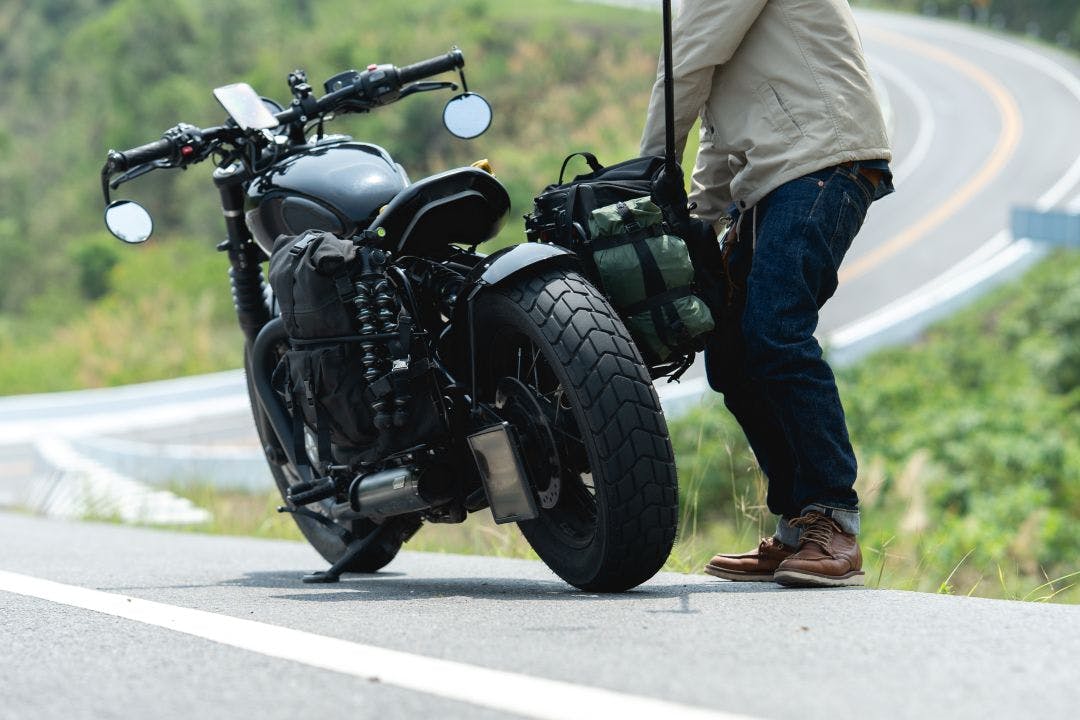
Thinking about taking a longer ride than usual? It’s a fun idea until you start realizing how different it actually feels once you're out there for hours at a time. Long distance rides and trips can be an incredible experience, but they take a little more planning than a quick spin around town. You might start wondering how far you can really go in a day, what to pack, or how to stay comfortable when the miles start adding up. And honestly, those are the kinds of things that can make or break the ride. In this guide, we'll walk you through the key things to think about before heading out so your next long trip feels more rewarding and a lot less stressful.
Before You Ride: Map Out the Big Picture
Before getting into gear and packing, start with the ride itself. What’s the plan? Where are you starting, where are you ending, and how far do you actually want to go each day? You don’t need to plan out every hour, but having the general structure makes everything else less stressful. Personally, we tend to pick routes that are manageable (See: motorcycle routes on Riders Share below) and stick to about 200 to 300 miles per day. This allows for enough time to enjoy the ride, take breaks, and not feel like you’re racing the clock.

Once the daily mileage feels right, take a closer look at what’s along your route. Are there small towns worth stopping in? Good food spots or scenic views that are worth a short detour? You don’t need a packed itinerary, but picking a few places ahead of time helps the ride feel more intentional. It also makes it easier to plan where you’ll get gas, stop for lunch, or settle in for the night. Once you’ve got the big picture in place, the rest of the trip becomes easier to shape. Here’s a quick checklist to run through when planning a route:
- Set a daily mileage goal that feels manageable, not exhausting
- Flag a few towns, food stops, or sights worth breaking for
- Check the weather forecast a few days ahead (and the night before)
- Look into road conditions, especially in rural or high-elevation areas
- Decide if you're planning everything yourself or leaning on a guided tour
Riders Share offers guided motorcycle tours across the country, each one led by a local host who’s already mapped out the best roads, stops, and sights for longer rides. If you'd rather ride than plan, check out available tour options in your city.

Choosing the Right Motorcycle for a Long Trip
The bike you ride can make or break a long-distance trip, meaning it’s not just about what looks cool or what you’re used to riding. It’s about what’s actually going to keep you comfortable and confident after a few hundred miles on the road. Here’s what we keep in mind when choosing a bike for longer rides:
- Comfort matters more than you think: After a few hours in the seat, little things start to stand out. We always recommend looking for a bike with an upright riding position, a comfortable seat, and a bit of wind protection to cut down on fatigue. Touring bikes are typically built with those things in mind, and some even come with cruise control to make the ride feel a little more relaxed.
- You’re going to want storage: For anything longer than a day, you’ll probably want more than just a backpack. Saddlebags, tail bags, or panniers give you room to bring extra gear, rain layers, snacks, and whatever else you need. Touring and ADV bikes usually come ready for this, and sport touring models give you a lighter option that still carries enough.
- Think about range before you're stuck looking for gas: Fuel range doesn’t seem like a big deal until you're riding through a stretch with no gas stations in sight. We recommend going with bikes that have a bigger tank or better fuel efficiency so you’re not stopping all the time or stressing about where the next fill-up is.
If you're not sure what style of bike to go with, these are usually solid choices for longer rides:
- Touring bikes like the Honda Gold Wing or Harley Road Glide
- Sport touring models like the Yamaha FJR1300 or Kawasaki Concours
- ADV bikes like the BMW GS or Triumph Tiger
Riders Share makes it easy to find motorcycle rentals in popular cities like Los Angeles, Miami, Dallas, and many others, so you can ride the kind of bike that’s built for the trip you have planned.

Packing Essentials for a Multi-Day Ride
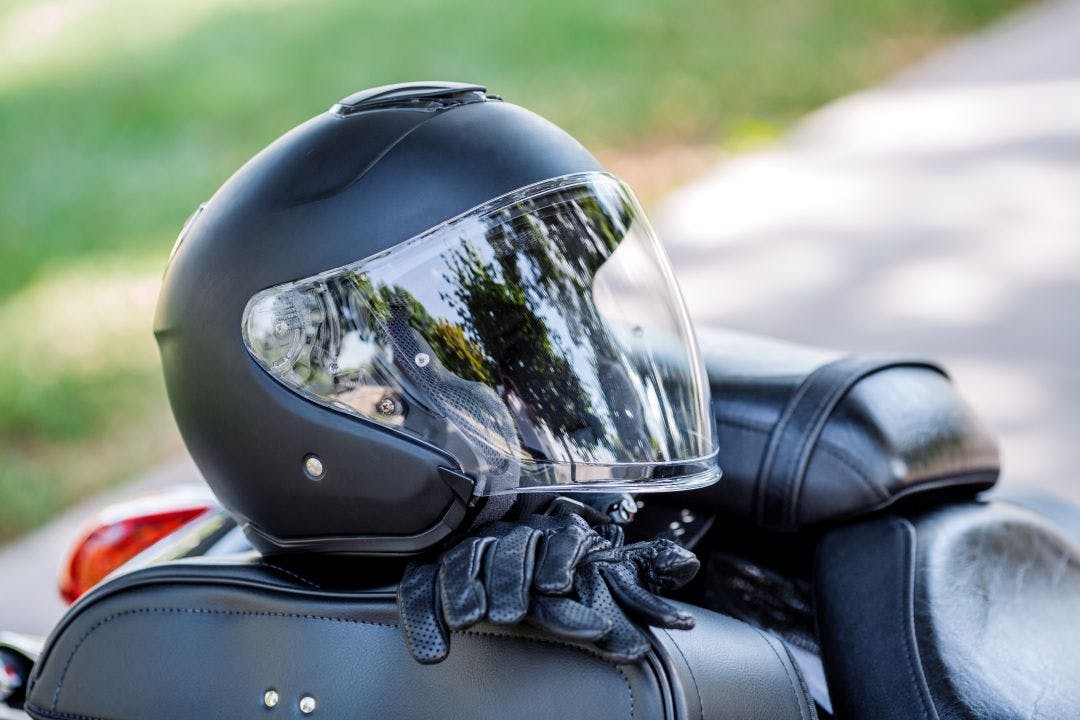
Packing for a longer ride isn’t about bringing more stuff. It’s about bringing the right stuff. Once you’re a few hours into the trip, you’ll start noticing what’s pulling its weight and what’s just taking up space. That’s why we always take a little extra time to pack with purpose, especially when saddlebags or storage space are limited.
One of the easiest ways to start is by thinking through your ride, day by day. What kind of weather are you heading into? Are you stopping at hotels or camping along the way? Will you need to change clothes mid-day or clean up before grabbing dinner somewhere? These kinds of questions help narrow down what actually makes the cut. Most longer trips come down to three packing goals:
- Staying comfortable when the weather shifts
- Having the basics in case something needs a quick fix
- Avoiding the stress of overpacking or realizing something important got left behind
You don’t need to bring your entire closet or toolkit, but you do want to feel prepared. A few smart choices go a long way when you’re hundreds of miles from home. If you’re renting a motorcycle and don’t have some of the essential gear below, it might be worth looking into gear rentals too. We cover when it makes sense in our blog: Renting Motorcycle Gear: Should You, Can You, Would You?
Motorcycle Gear Checklist
☐ DOT or ECE-approved helmet
☐ Riding jacket with ventilation or weather protection
☐ Riding pants or jeans with armor
☐ Gloves (lightweight and waterproof options if possible)
☐ Base layers and extra socks
☐ Lightweight rain gear
☐ Small tool kit and tire repair kit
☐ Phone charger and portable battery
☐ Toiletries and personal essentials
☐ Basic first aid items
Prepping Your Bike (Or Rental) Before the Trip
Before heading out, take a few minutes to make sure your bike, or the one you’re renting, is ready for the ride ahead. Even if everything seems fine, small issues can turn into big problems once you're a couple hundred miles in. It’s worth checking things like tire pressure, tread wear, fluid levels, and lights. Make sure your mirrors are adjusted, your chain or belt is in good shape, and your luggage is secure. If you’re renting, most of this will already be handled, but it’s still a good idea to walk around the bike, ask a few questions, and double-check that everything feels right. Starting the trip with a bike that’s been looked over gives you one less thing to worry about when you're out on the road.
Tips for Staying Comfortable on Long-Distance Rides
Tip 1: Break up your ride before your body breaks down. It’s tempting to push through and rack up miles, especially early in the day. But building in short stops every hour or so helps keep you from stiffening up. Even five minutes to walk around, stretch, or grab a quick snack can help reset your focus and comfort level.
Tip 2: Don’t underestimate what you wear. Look for layers you can adjust throughout the day, gloves that don’t dig into your hands, and a helmet that doesn’t start pinching after a few hours. Comfortable doesn’t mean bulky, it means gear that fits right and works with the conditions.
Tip 3: Adjust your position now and then. Even on the most ergonomic bike, sitting in the same position all day gets old fast. Shift your posture when you can. Stretch your legs at stoplights, move around a bit at gas stops, and don’t be afraid to take your helmet off and breathe for a second. Small resets like this keep your body from locking up halfway through the day.
How to prepare your body for a long motorcycle ride
The more time you spend in the saddle before a big trip, the better your body will handle it. Try riding for longer stretches in the weeks leading up to your trip so your back, shoulders, and legs can get used to staying active for a few hours at a time. You don’t need a full workout routine, but stretching before and after each day of riding helps more than you’d think. Focus on your hips, hamstrings, and lower back. Even a quick five-minute stretch can make a big difference when you're doing it consistently across multiple days.
How to manage fatigue on a motorcycle
Fatigue doesn’t always hit all at once–it builds slowly and can catch you off guard if you’re not paying attention. One of the best ways to manage it is by staying mentally engaged. Try listening to music or an audio book through a helmet comm system, especially on stretches where the scenery isn’t changing much. Switching up your route mid-day, talking with another rider, or even changing the time of day you ride can help keep your mind alert and focused. When you feel yourself zoning out or losing focus, that’s your cue to stop and reset before pushing on.
Staying Safe While Out on the Road
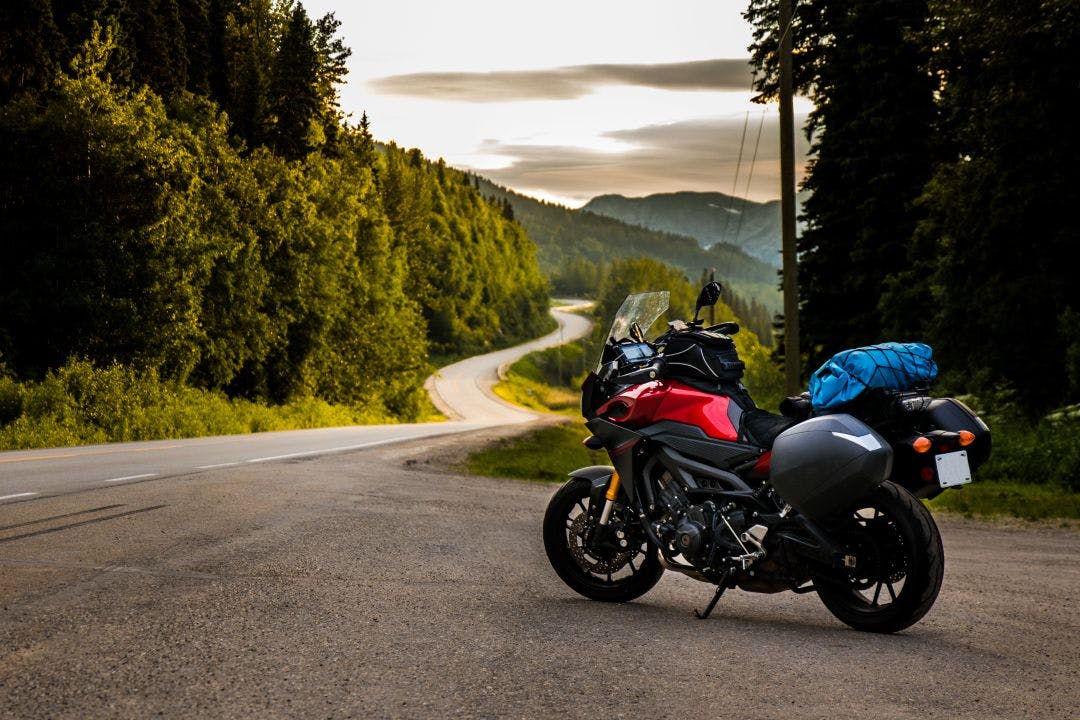
When you're riding through new areas or crossing into different states, staying safe means paying attention to more than just the road. You're dealing with different driving styles, unfamiliar routes, and laws that might not be the same as what you're used to. Here are a few things to stay on top of:
- State-specific laws: Helmet rules, lane-splitting laws, and even how turn signals and hand signals are enforced can change from one state to the next. Take a few minutes before your trip to check the basics for every state you plan to ride through.
- Driver awareness: Not every area has a strong motorcycle presence, which means drivers may not be looking for you. Our Advice? Ride like you're invisible, avoid blind spots, give yourself space, and make sure your lights are always on.
- GPS and routing: Navigation apps can be helpful, but they don’t always consider road quality or motorcycle-friendly routes. Try to preview your full route before the day starts so you’re not caught off guard by a random dirt road or tight turnoff.
- New surroundings: Every gas stop or break is a good time to pause and get a feel for where you are. Check for signs, traffic flow, or anything that feels off. Awareness is one of your best tools when riding somewhere unfamiliar.
Why a Guided Motorcycle Tour Might Be the Easier Option
If planning every stop, packing the right gear, and figuring out routes across multiple states feels like a lot, you’re not alone. That’s exactly why guided motorcycle tours exist. Instead of stressing over the details, you can book a tour that’s already mapped out by riders who know the roads, the sights, and the best places to stop along the way. It takes the pressure off planning so you can focus on the ride. Explore guided motorcycle tour options available across the country and see what’s already waiting for you.
Prep Now, Enjoy the Ride Later!
The more you think through the details ahead of time, the less you’ll have to worry about once the ride begins. Long-distance trips don’t need to be complicated, they just need a little planning. Take the time to get things in order now, and once you're out there, it’s all about enjoying the road in front of you.
Related Articles
Mon - Fri: 8-8 CT
Weekends: 9-8 CT
