Motorcycle Rider Demographics & Market Shift Analysis 2026
Feb 9, 2026
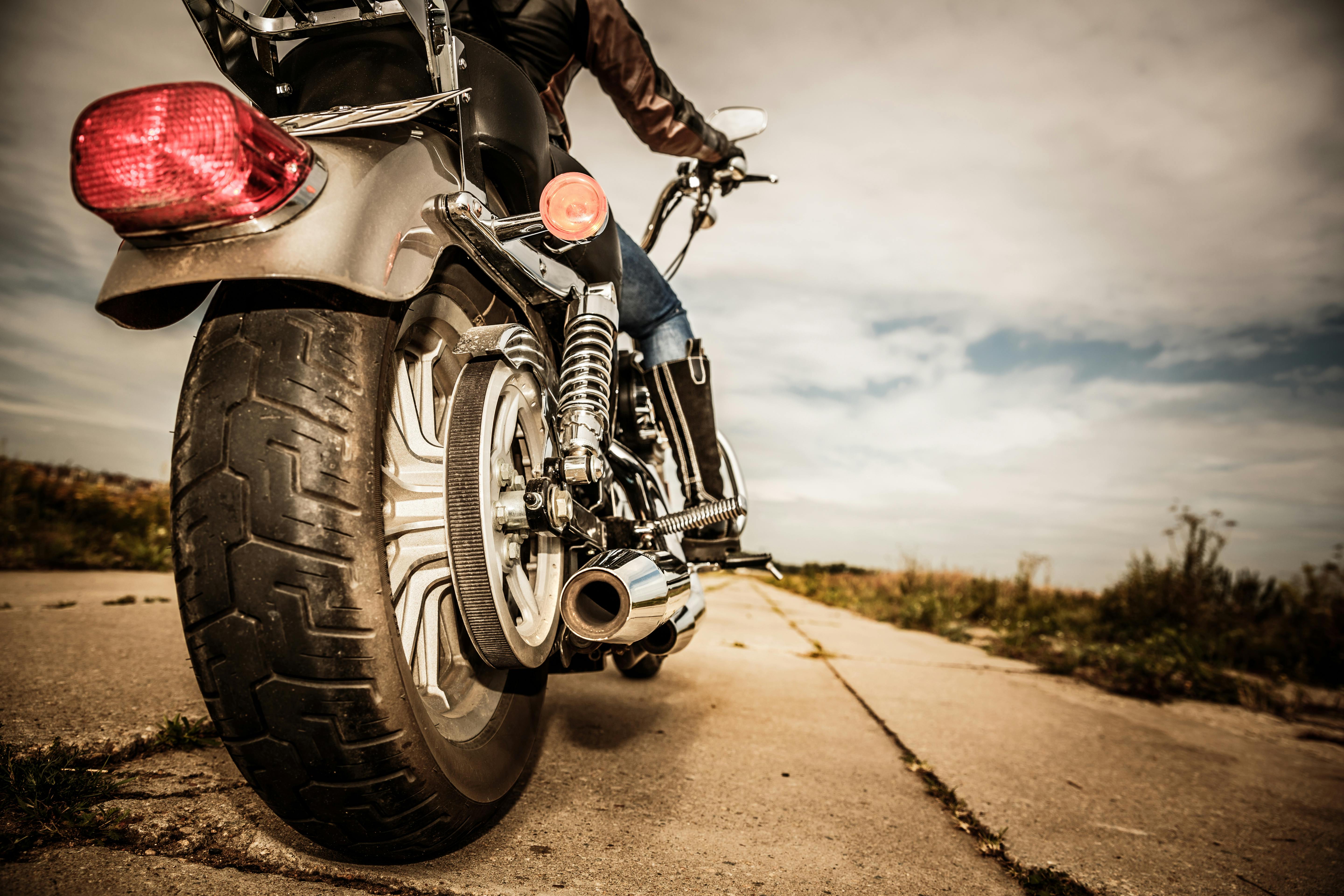
The motorcycle market is changing, and it’s been building for years. Riders are aging out faster than new ones are replacing them, U.S. sales are declining, and traditional motorcycle ownership is becoming harder to justify for how people live and spend today.
At the same time, some of the most promising growth the industry has seen in years is happening in segments and demographics that weren't even part of the conversation a generation ago. Rider age trends, sales data, and ownership patterns help show where the motorcycle industry actually stands heading into 2026. In this blog, we break that down into a clear motorcycle industry analysis that explains what’s changing, what’s driving it, and why it matters going forward.
2026 Motorcycle Demographics: The median age of a U.S. motorcycle owner has crossed 50, up from just 32 in 1990. Under-18 ownership went from 8% to 2% over that same window, and the 18 to 24 age group went from 16% to 6%. U.S. motorcycle sales fell 7.6% for all of 2025, totaling 486,468 units. And yet at the same time, the global motorcycle market is projected to grow from $121.5 billion in 2025 to $178.1 billion by 2035.
What’s the Average Age of a Motorcycle Rider?
Looking at who’s riding today helps explain how much the market has changed, with the average age of a motorcycle owner in the U.S. now about twenty years higher than it was in the mid-1980s and still moving upward.
How the Median Rider Age Has Shifted
The Motorcycle Industry Council (MIC) Owner Survey has been tracking rider demographics for decades, and the trend line on age is hard to miss:
- 1985: Median owner age was 27
- 1990: 32 years old
- 2003: 41 years old
- 2009: 40 years old
- 2014: 47 years old
- 2018 (latest MIC survey): 50 years old
What makes these motorcycle rider age statistics so important is how fast the jump has been. The median went up 8 years between 1990 and 2009, then another 10 years between 2009 and 2018. That's not a market that's just slowly getting older over time, that's a rider base that's aging out without enough younger riders coming in to balance things out, and the gap keeps getting wider with every survey.
Who's Doing the Most Buying Right Now?
The IBISWorld 2025 motorcycle industry report shows that riders between 45 and 64 are still the biggest buyers of motorcycles and adventure bikes in the U.S. They've got the income and the free time to ride regularly, which means they're the ones picking up touring models, premium cruisers, and high-end ADV bikes.
That spending power is keeping dealerships going right now, but it creates a real problem down the road. When your highest-value customers are all in one age range that's getting older every year, the whole business model has a shelf life unless younger riders start filling in behind them.
Motorcycle Rider Demographics by Race and Ethnicity
The U.S. motorcycle rider base has historically been overwhelmingly white, but that's changing. While the MIC doesn't publicly release a full racial breakdown from its Owner Surveys, other data points and industry behavior tell the story clearly enough.
What the Available Data Shows
NHTSA's 2020 traffic data breaks down motorcyclist fatalities by race and ethnicity:
- White riders: 60% of motorcyclist fatalities
- Hispanic or Latino riders: 14%
- Black or African American riders: 11%
Those are crash statistics rather than ownership numbers, but they give a rough picture of who's actually out on the road.
How the Industry Is Responding
On the cultural side, organizations like the Latin American Motorcycle Association, the National Bikers Roundup (the largest Black motorcycle rally in the country), and growing Asian American riding communities are building networks that blend motorcycle culture with regional traditions the industry hasn't seen before. These communities skew younger than the traditional rider base, which means diversification is working against the aging problem from two directions at once.
Rider Income and Household Profile
Understanding who rides also means understanding what their financial picture looks like, because that's what makes the affordability conversation make sense.
Median Household Income for Motorcycle Owners
The 2018 MIC Owner Survey shows median household income has stayed remarkably flat:
- 2008: $59,290 (vs. $50,233 national average at the time)
- 2012: $64,100
- 2014: $62,200
- 2018: $62,500
Education Levels Are Climbing
- 2012: 17% of owners were college graduates
- 2014: 20%
- 2018: 24%
Why This Matters for the Demographic Story
A $62,500 median income paired with a median owner age of 50 means the typical buyer has had decades to build financial stability before taking on a motorcycle. That's a very different starting point than a 25-year-old still figuring out rent and student loans, and it explains a lot about why younger riders aren't breaking in.
Where Riders Are (and Aren't) Across the Country
Motorcycle ownership isn't spread evenly across the U.S., and the regional patterns say a lot about who's riding and why. As of 2023, there were 8.8 million on-road motorcycles registered nationwide, roughly double the 4.3 million registered in 2002.
Motorcycle ownership isn't spread evenly across the U.S., and the regional patterns say a lot about who's riding and why. As of 2023, there were 8.8 million on-road motorcycles registered nationwide, roughly double the 4.3 million registered in 2002.
Top 5 States by Per-Capita Motorcycle Ownership (2023)
The states with the highest ownership rates aren't the warm-weather destinations most people would guess. According to IIHS data:
- Montana: 6,312 registrations per 100,000 residents
- New Hampshire: 6,131 per 100,000
- South Dakota: 5,755 per 100,000
- Wisconsin: 5,430 per 100,000
- Iowa: 5,270 per 100,000
Top 5 States by Total Registrations (2023)
Raw volume tells a completely different story:
- California: 936,809 (but only ~30th per capita)
- Florida: 668,046
- Ohio: 407,952
- Pennsylvania: 403,039
- Texas: 394,351
Regional Patterns Worth Knowing
- Sun Belt states lead in raw numbers but not per-capita rates, mostly because of population size
- Upper Midwest and Northern Plains states punch well above their weight, likely because motorcycles are part of everyday rural life
- The Northeast has some of the lowest per-capita ownership, tracking with shorter seasons, higher insurance, and denser cities
- Cruisers make up 38.2% of all registered motorcycles nationally, with touring bikes at 23.5%
These differences show that the barriers to riding aren't the same everywhere. A 25-year-old in rural Wisconsin has a very different path into motorcycling than a 25-year-old in Manhattan, even if neither one can easily afford a brand-new bike.
Why Aren't Younger People Buying Motorcycles?
The traditional path into motorcycle riding used to be pretty simple: you'd grow up around bikes through family or friends, start on a dirt bike as a kid, save up for something street-legal, and work your way up from there. That whole pipeline has pretty much broken down, and the reasons go deeper than young people just not being into bikes.
The Youth Ownership Numbers
The drop in young rider participation isn't small:
- Under 18 ownership: Went from 8% of all owners in 1990 to just 2% by 2025
- Ages 18 to 24 ownership: Fell from 16% in 1990 to 6% by 2025
- American teenagers with driver's licenses: Now below 40%
You can't chalk that up to normal generational differences. The way motorcycle riding got passed down from one generation to the next (through parents who ride, neighbors with bikes in the garage, weekend rides with friends) has weakened a lot over the past 30 years.
The Financial Burden
For a lot of people, it really does come down to money. New motorcycle prices are up more than 40% since 2020, and that’s just to get the bike home. If you’re under 25, insurance alone can run over $2,000 a year, and once you factor in gear, licensing, and maintenance, a $15,000 bike can turn into a $20,000-plus first-year expense faster than most expect. When you stack that on top of student loan payments and rent that already takes up more of each paycheck than it did for earlier generations, owning a motorcycle just doesn’t make sense for a lot of would-be riders.
The Ownership Mindset Has Changed
Younger people across the board are leaning toward paying for access to things rather than buying them outright. You see it in how people use ride-sharing instead of buying second cars, how streaming replaced shelves of DVDs, and how co-working replaced long-term office leases. Motorcycles fall into that same pattern, because when your whole approach to spending is built around using what you need rather than owning what you might use, the traditional buy-it-and-park-it model starts to feel like a bad fit.
City Living Changes the Equation
More young adults live in cities where public transit, ride-sharing, and e-bikes handle most of their transportation without the cost of owning, insuring, and storing a vehicle. When you don't need a personal vehicle to get through your day, motorcycle ownership becomes something you'd only do for the pure fun of it, and that fun has to be worth enough to cover all the costs and hassle that come with it.
Are Motorcycle Sales Declining?
Yes, and the 2025 numbers make it pretty clear that this is a trend with staying power rather than a one-year blip. Full-year U.S. motorcycle sales came in at 486,468 units, a 7.6% drop from 2024. That decline hit especially hard during the spring and summer months when people normally do their heaviest buying, which tells you this is more about deeper structural issues in the market than just a slow start to the year.
We break down the full sales picture, including which brands gained and lost ground and what's driving the broader drop, in our complete motorcycle sales decline analysis. Click below.

What Percentage of Motorcycle Riders Are Women?
If there's one part of this story that deserves more attention than it gets, it's what's happening with women in the motorcycle world. Female riders are the fastest-growing ownership group in the industry, and the women motorcycle riders statistics point to growth that's only going to keep building.
How Women's Ownership Has Grown
MIC's tracking of female ownership shows a steady climb that's been going on for over two decades:
- 1998: Women made up 8% of U.S. motorcycle owners
- 2003: Grew to 10% (ownership roughly doubled between 2003 and 2014)
- 2014: Reached 14%
- 2018: Hit 19%, or nearly 1 in 5 owners
Women's Ridership by Generation
- Gen Y (Millennial) owners: 26% are women
- Gen X owners: 22% are women
- Baby Boomer owners: 9% are women
MIC director of communications Andria Yu put it pretty directly: "As the number of Boomer and mature motorcyclists shrink and are replaced by newer riders, we could soon be looking at a solid 25 percent of motorcycle owners being female." Given how much higher the numbers already are among Millennials and Gen X, hitting that 25% mark feels more like a matter of when than if.
Additional Data Worth Knowing
- Median age for women riders: 39, compared to 48 for men
- Safety course completion: 60% of women have taken a course vs. 42% of men
- Annual spending on maintenance, parts, and accessories: Women average $574/year vs. $497/year for men (MIC Owner Survey data)
- Preferred bike types among women: 34% ride cruisers, 33% ride scooters, 10% ride sport bikes
What makes this especially important is that women riders tend to be younger, better trained, and spend more per person than the average rider. They’re entering motorcycling through the same channels where the broader market has been losing ground, which is why this is one of the most important growth areas to watch.
What This Means for Riders Right Now
Everything in this analysis keeps pointing to the same gap: more people want to ride than can realistically afford to own a motorcycle, and that gap is growing. The rider base is getting older, the cost of getting into riding keeps going up, and the generation that should be coming in has been priced out or just never had the exposure to motorcycling that older generations grew up with.
Rentals Might Be the Solution. Here’s Why
Motorcycle rentals aren't just a nice alternative to buying. They're a direct answer to the specific barriers that every data point in this piece keeps coming back to.
For younger riders who can't afford ownership costs:
- No $10,000 to $15,000 up front
- No annual insurance bills that can rival the cost of the bike itself
- No maintenance, storage, or depreciation eating into already-tight budgets
- The freedom to ride on weekends or vacations without carrying the cost year-round
For the 45 to 64 crowd that's still buying:
- A way to test touring bikes, ADV bikes, or electrics without adding another bike to the garage
- Access to motorcycles in destination cities without shipping your own
- The option to list your bike on a peer-to-peer platform and offset your own costs when you're not riding
For women coming into the sport:
- Try different seat heights, ergonomics, and power levels on real rides before buying
- A lower-risk way to get into motorcycling without taking on the full cost of ownership
- Access to more models than what's typically available at a quick dealer test ride
For motorcycling's long-term health:
- Every rental puts someone on a bike who might not ride otherwise, and that experience is what turns curiosity into commitment
- Peer-to-peer platforms keep motorcycles on the road instead of sitting in garages losing value
- Rentals build the next generation of riders one ride at a time
Motorcycle Rentals on Riders Share
All of these shifts point to the same takeaway: access matters more than ownership right now. Motorcycle rentals on Riders Share give people a way to ride without the upfront cost, long-term commitment, or extra hurdles that keep many would-be riders on the sidelines. Whether it’s a younger rider getting their first real seat time, an experienced rider trying a different bike, or someone riding while traveling, renting makes it easier to ride in a way that fits how people actually live today. If you want to get on a bike without buying one, browse available rentals on Riders Share and book a ride when it works for you

Key Takeaways on Motorcycle Demographics in 2026
- The average age of a motorcycle owner has crossed 50, up from 27 in 1985 and 32 in 1990, because younger riders aren't coming in fast enough to keep the average down
- Youth ridership has dropped hard to 2% for under-18 and 6% for 18 to 24, driven by cost, culture, and city living
- U.S. motorcycle sales fell 7.6% in 2025 (486,468 total units), with the first half posting the weakest numbers in a decade
- Women riders now make up 19% of owners and 26% of Millennial owners, making them the fastest-growing group with higher training rates and higher per-person spending
- Riders aged 45 to 64 are still the top buyers but represent a base that's getting smaller every year
- The median household income for motorcycle owners sits at $62,500, and 24% are college graduates, both relatively flat over the past decade
- Montana, New Hampshire, and South Dakota lead the country in per-capita motorcycle ownership, while California, Florida, and Ohio lead in total registrations
- Hispanic, Black, and Asian American riding communities are growing and skewing younger than the traditional rider base
- Motorcycle rentals are filling the gap between people who want to ride and people who can realistically own
Conclusion
The motorcycle sales decline is real, but the desire to ride hasn't gone anywhere. What's actually changed is the math around owning a bike and the demographics of who's showing up to do it. The rider base is older and wealthier than it used to be, younger generations face barriers that didn't exist 30 years ago, and the fastest growth is coming from women and communities of color who are rewriting what the motorcycle world looks like. None of that points to an industry that's dying, but to one that needs to catch up with how people actually live, earn, and spend today.
Related Articles
Mon - Fri: 8-8 CT
Weekends: 9-8 CT
