Your Guide to Las Vegas: Beyond the Strip, Day Trips & How to Explore
EXPLORE Tours NEAR Las Vegas, NV
Earn Money By Listing a Guided Motorcycle Tour in Las Vegas, NV
Turn your favorite ride into an unforgettable experience for others, and make some extra cash while doing it. List your guided motorcycle tour in Las Vegas, NV on Riders Share and connect with riders looking for their next great adventure.
Your Guide to Las Vegas: Beyond the Strip, Day Trips & How to Explore
Las Vegas welcomes more than 40 million visitors a year, and most of them stay within a few miles of the Strip. The hotels are massive, the shows run late, and it's easy to fill an entire trip without ever leaving Las Vegas Boulevard, but some of the most interesting parts of the city sit just beyond it. About 30 minutes west, Red Rock Canyon stretches out into 13 miles of scenic desert road framed by red and cream sandstone cliffs, and roughly an hour northeast, Valley of Fire State Park is known for 150 million year old rock formations that glow at sunrise. Even closer, Spring Mountain Road runs through a three mile Chinatown corridor with 248 sit down restaurants packed into a tight stretch, offering a completely different side of Vegas that most visitors never build into their plans.
If you're planning a Las Vegas vacation and trying to figure out what to actually plan around, this guide covers the highlights on the Strip, the neighborhoods and restaurants most visitors walk right past, and the day trips that make the surrounding desert one of the most interesting parts of the whole trip.
The Strip
4.2 miles from the Welcome sign to The Strat. The Sphere, the Bellagio fountains, mega-resorts, and most of what visitors fly in for. Walkable end-to-end if you wear the right shoes.
Beyond the Strip
Fremont Street downtown, the 18b Arts District, AREA15 with Meow Wolf, and the Spring Mountain Road Chinatown corridor. Walkable in chunks, taxi-friendly between them.
Beyond the City
Red Rock Canyon 30 minutes west, Valley of Fire an hour northeast, Hoover Dam 45 minutes southeast, Death Valley two hours west. National park-grade desert all around.
40M+
Visitors a year
4.2 mi
Length of the Strip
248
Chinatown restaurants
13 mi
Red Rock Loop ride
Jump To
How Many Days Do You Need in Las Vegas?
Three days covers the Strip and one day trip. Five days lets you actually explore Fremont, the Chinatown food scene, and a full day at Valley of Fire.
This is one of the most common questions people ask when they're planning a trip, and the answer really depends on whether you want to stay on the Strip or explore beyond it. Three to five days is what we'd recommend for most visitors. Three gives you enough time to cover the Strip highlights, have a couple of great meals off Las Vegas Boulevard, and fit in one day trip to somewhere like Red Rock Canyon or Hoover Dam.
With five days, you can spend a couple of days downtown on Fremont Street, take a full day at Valley of Fire, dig into the Chinatown food scene on Spring Mountain Road, and still have a morning to do nothing by the pool. A weekend works if you keep things focused, but you'll leave with a list of things you want to come back for.
When Should You Visit Las Vegas?
March through May and September through November are the best months to visit Las Vegas, with daytime highs in the 70s and 80s and comfortable conditions for day trips, hiking, and spending time outside the casinos. The pools are open, the event calendar is full, and you're not fighting triple-digit heat to enjoy the outdoors.
Spring
March - MaySummer
June - AugustFall
September - NovemberWinter
December - February2026 Events to Plan Around
NASCAR Pennzoil 400
Las Vegas Motor Speedway AprilViva Las Vegas Rockabilly Weekend
Annual rockabilly festival AprilWrestleMania 42
Allegiant Stadium OctoberNASCAR South Point 400
Las Vegas Motor Speedway NovemberFormula 1 Las Vegas Grand Prix
Strip street circuit DecemberWrangler National Finals Rodeo
Thomas & Mack CenterWhat Should You Not Miss in Las Vegas?
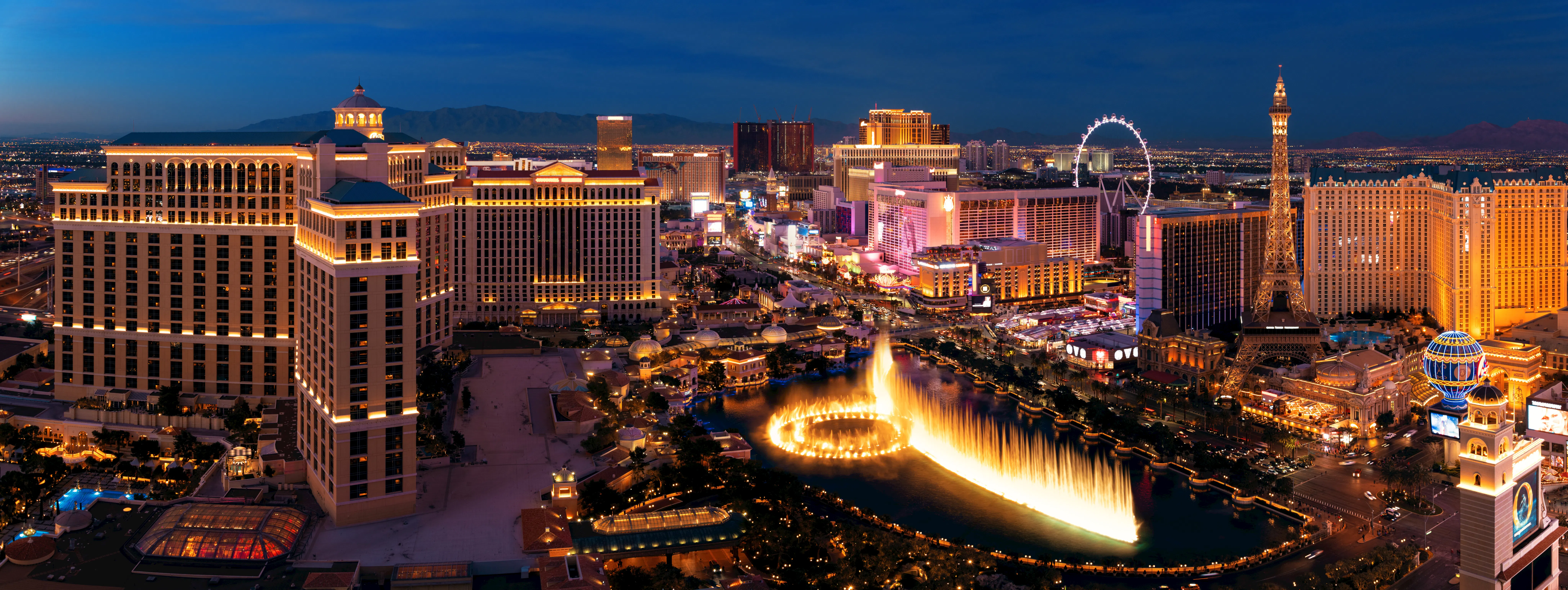
Las Vegas adds new shows, restaurants, and attractions faster than almost any city in the country. The Sphere alone cost $2.3 billion and didn't exist three years ago. Whether you're visiting for the first time or coming back after a few years, there's almost always something new to see. Here's where we'd point you first.
Walking the Strip
The Las Vegas Strip stretches about 4.2 miles from the Welcome to Las Vegas sign near Mandalay Bay up to The Strat. Walking it end to end is free, and the hotels themselves are half the experience. You'll pass through The Venetian's indoor canal system, the Luxor's pyramid, and the Cosmopolitan's rotating art installations without spending a dime. Wear comfortable shoes and give yourself more time than you think you'll need.
The Sphere
$2.3 Billion. 5 Years. Nothing Like It.
The Sphere took five years and $2.3 billion to build, and it's unlike anything else in entertainment right now. It wraps the world's largest high-definition screen around the entire interior with 167,000 speakers powering the audio.
The Wizard of Oz immersive experience runs daily through 2026 in 16K resolution with 360-degree visuals, haptic seats, and scent effects, and tickets start around $132. On the concert side, The Eagles, Phish, and Kenny Chesney all have residencies booked for the year.
Bellagio Fountains and Botanical Gardens
The Bellagio's fountain system spans over 1,000 feet across an eight-acre lake, with water shooting as high as 460 feet into the air, all choreographed to music.
Shows run every 30 minutes in the afternoon and every 15 minutes from 8 PM to midnight, and it's completely free from the sidewalk. Inside the hotel, the Conservatory and Botanical Gardens cover 14,000 square feet and get completely rebuilt each season with live plants, flowers, and elaborate themed installations. Also free, and a stop to make even if you're just passing by.
Best Las Vegas Shows in 2026
Las Vegas has more resident shows than any city in the world. On any given night, you can choose between Cirque du Soleil, a major concert residency, magic, comedy, and immersive experiences that don't exist anywhere else. Here are some of the top shows running right now.
- Cirque du Soleil "O" (Bellagio) A water-based acrobatic production that's been running since 1998 and still sells out regularly.
- Cirque du Soleil "Ka" (MGM Grand) A martial arts-driven show built around a rotating stage that tilts, spins, and drops performers through the floor.
- The Sphere residencies The Eagles, Phish (April), Kenny Chesney, and rotating acts throughout the year in the most advanced concert venue ever built.
- Blue Man Group (The Luxor) Family-friendly, high-energy, and a staple of the Las Vegas show scene for over 20 years.
- Penn & Teller (Rio) Magic, comedy, and audience participation. One of the best entertainment values on any stage in the city.
- DISCOSHOW by Spiegelworld (The Venetian) A 1970s-themed immersive dance party with no assigned seats. Dress for it.
The Welcome to Las Vegas Sign
The sign is located at 5100 Las Vegas Boulevard South, right near Mandalay Bay. There's usually a line for photos, but it moves quickly. You can also step slightly to the side and still get a clean shot without waiting in the queue.
Fremont Street and Downtown Las Vegas
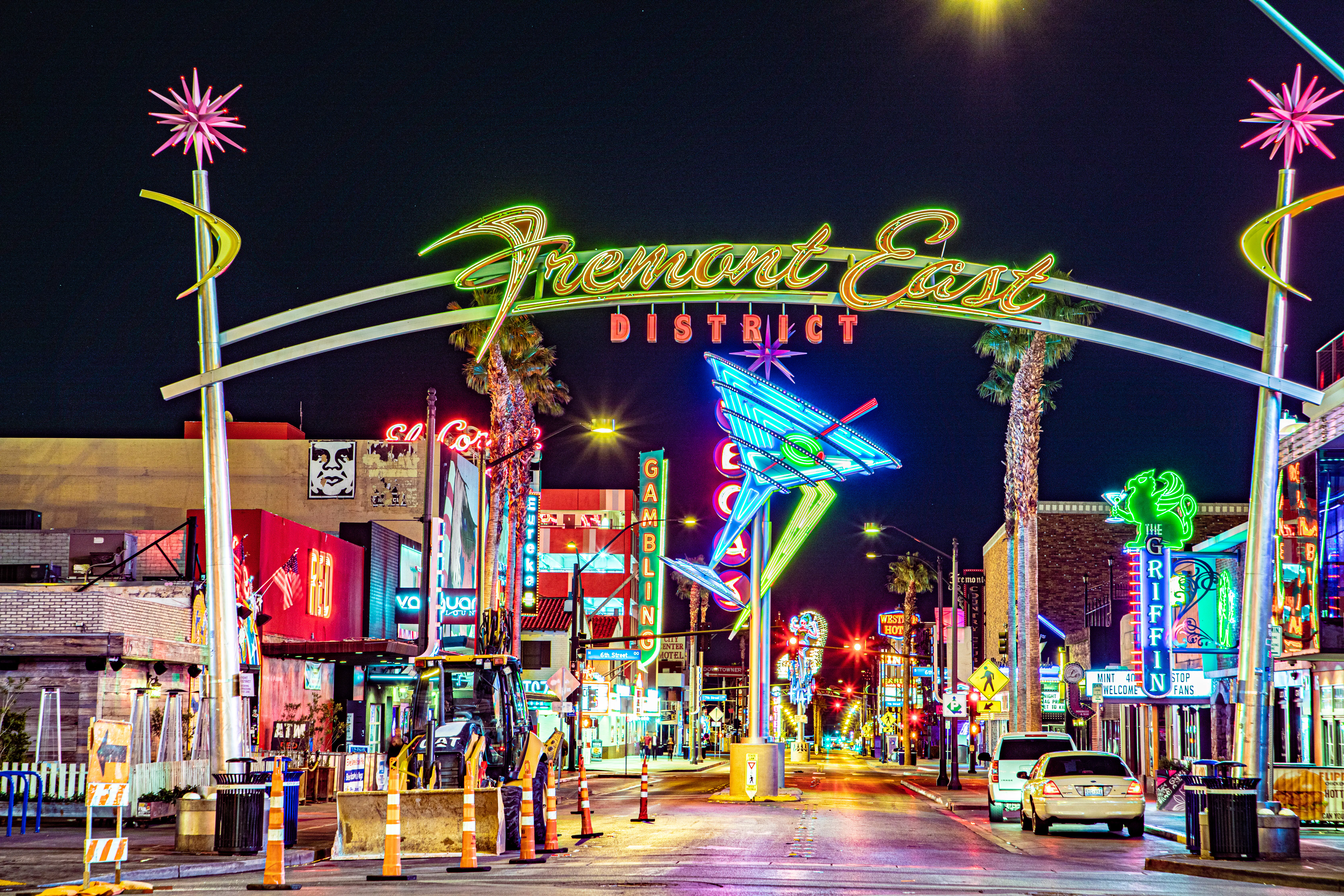
Downtown is where Las Vegas started. The first casino in the city, the Northern Club, opened on Fremont Street in 1931, and the neighborhood has held onto a personality that the Strip has never been able to replicate. It's grittier, more walkable, and packed with spots that have history going back decades. If you're only going to explore one area off the Strip, make it this one.
Fremont Street Experience
By the numbers: 5 blocks of pedestrian mall, a 1,375-foot LED canopy, and over 49 million LEDs running coordinated light-and-sound shows every night.
Live music stages, street performers, and open-air bars line both sides. If you want to see what Vegas felt like before the mega-resorts took over, this is the closest thing to it.
Neon Museum
A mile north of Fremont Street, the Neon Museum collects retired signs from the hotels and casinos that shaped this city's skyline for decades. The outdoor Neon Boneyard is the centerpiece, with over 250 signs on display. Night tours let you see some of the restored pieces lit up the way they originally looked on the Strip. Tours start at $20 and sell out regularly, so book in advance.
Mob Museum and The Underground Speakeasy
Las Vegas and organized crime go back a long way, and the Mob Museum covers that history in detail. It's housed in a 1933 federal courthouse that actually hosted one of the Kefauver Committee hearings on organized crime. The exhibits are hands-on and go deeper than you'd expect, covering everything from Prohibition to wiretapping to the role the mob played in building the Strip.
Downstairs, The Underground is a speakeasy bar with period cocktails, live jazz, and a working distillery. Grab the password from their Instagram and you can skip museum admission and head straight to the bar.
The Arts District
Just south of Fremont Street, the 18b Las Vegas Arts District spans 18 blocks of galleries, vintage shops, independent coffee roasters, and some of the best restaurants in the city. First Friday is the signature event, when galleries open their doors, food trucks line the streets, and live music takes over the neighborhood. It brings in thousands of people and it's one of the best free events in Las Vegas.
More Downtown Stops to Add
- Corduroy
- ReBAR
- Container Park
- Fremont Street Experience
- The Neon Museum (book tours in advance)
- The Mob Museum
- The Underground Speakeasy
AREA15 and Meow Wolf
AREA15 opened in 2020 as an immersive entertainment complex about two miles from the Strip, and it's become one of the most talked-about attractions in the city. The headliner is Meow Wolf's Omega Mart. On the surface, it looks like a grocery store with off-brand products on the shelves. Then you walk through a freezer door and end up in a surreal art installation that takes you through hidden rooms, tunnels, and portals spread across 52,000 square feet. It's interactive, strange, and hard to describe without underselling it.
Meow Wolf isn't the only thing here, either. AREA15 has VR experiences, axe throwing, a zipline, bars, and rotating exhibitions that change throughout the year. Give yourself at least two to three hours if you're going for Omega Mart, and more if you want to explore the rest of the complex.
- Meow Wolf's Omega Mart
- Dueling Axes (axe throwing)
- Haley's Comet (zipline across the building)
- The Beast by Todd English (food hall and bar inside the complex)
So, What's There to Do in Las Vegas Besides Gambling?

Ten years ago, this question would've gotten a shorter answer. Today, Las Vegas has three major pro sports teams, a Formula 1 race, a James Beard-nominated dining corridor on Spring Mountain Road, one of the most advanced concert venues ever built (the Sphere), and desert hiking within a 30-minute drive. Gambling is still part of the city's identity, but it's become just one piece of a much bigger scene.
Sports and Live Events
Las Vegas didn't have a single major pro sports team until the Golden Knights arrived in 2017. Since then, the city has added the Raiders, the Aces, and a Formula 1 Grand Prix that shuts down the Strip for three days every November. It's become one of the fastest-growing sports markets in the country.
NFL
Las Vegas Raiders
Allegiant Stadium
NHL
Vegas Golden Knights
T-Mobile Arena
WNBA
Las Vegas Aces
Michelob ULTRA Arena
November 2026
Formula 1 Grand Prix
Strip street circuit
December 2026
Wrangler National Finals Rodeo
Thomas & Mack Center
UFC
UFC Events
T-Mobile Arena & the Sphere
Other Things to Do Off the Casino Floor
- Topgolf Las Vegas: Multi-level driving range overlooking the Strip with food, drinks, and a pool.
- The High Roller: A 550-foot observation wheel at The LINQ Promenade. It's one of the tallest in the world, with 30-minute rotations and views across the entire valley.
- Madame Tussauds: Wax museum on the Strip, inside The Venetian.
- FlyOver Las Vegas: Flight simulation ride on the Strip that takes you over national parks, cities, and landscapes.
- Shopping: Forum Shops at Caesars Palace, The Shops at Crystals, and Fashion Show Mall on the Strip. The Las Vegas North Premium Outlets are about 10 minutes from downtown.
Free Things to Do in Las Vegas
Las Vegas has a reputation for being expensive, but some of the most memorable experiences in the city don't cost anything. The trick? Knowing where to look.
Bellagio Fountains
Shows run all afternoon and evening. No ticket, no line. Watch from the sidewalk or from the bridge in front of the hotel.
Bellagio Conservatory & Botanical Gardens
14,000 square feet of live plants and themed installations that change every season. Walk-in, open 24 hours.
Fremont Street Experience
Nightly LED shows and live music with no cover charge.
Walking the Strip Hotels
The Venetian's indoor canal, the Luxor's pyramid atrium, the Cosmopolitan's rotating art installations, and the Bellagio lobby are all open to anyone.
Welcome to Las Vegas Sign
Free photo op at 5100 Las Vegas Boulevard South.
Circus Circus Acts
Free trapeze and juggling shows on the midway level. They've been running since 1968.
Downtown Container Park
Open-air shopping and dining built from repurposed shipping containers, anchored by a 40-foot praying mantis sculpture that shoots fire after dark.
The LINQ Promenade
Open-air shopping and dining strip between The LINQ and the Flamingo. Free to walk and people-watch.
Las Vegas Food Guide

Las Vegas has more James Beard-nominated and award-winning restaurants per capita than most major food cities in the country, and a lot of them aren't on the Strip. The celebrity chef spots at the big hotels get the attention, but the most interesting food in Las Vegas is happening on Spring Mountain Road, in the Arts District, and in the neighborhoods most visitors never think to explore.
The Chinatown Corridor on Spring Mountain Road
Spring Mountain Road runs from the Strip west to Rainbow Boulevard, and it's home to what might be the most underrated food corridor in the country.
Higher density than NYC or SF Chinatowns
That's roughly 82 restaurants per mile, a higher density than the Chinatowns in New York or San Francisco. You'll find everything from hand-pulled noodles and Japanese charcoal grills to Korean BBQ, Vietnamese pho, and Filipino spots.
- China Mama
- Shanghai Taste
- RakuJapanese charcoal grill, reservations essential.
- Xiao Long Dumplings
- Gabi Coffee and Bakery
- Gastropub Nisei
What Makes Las Vegas Chinatown Different from the Rest?
Most Chinatowns in the U.S. developed organically over decades of immigration. Las Vegas Chinatown was deliberately planned starting in 1995 when the Chinatown Plaza opened on Spring Mountain Road. Since then, it's expanded into a three-mile corridor that includes far more than Chinese restaurants. Korean, Japanese, Thai, Vietnamese, Filipino, Indian, and even non-Asian restaurants have all set up shop along the strip, making it one of the most diverse food scenes in the West.
Off-Strip Restaurants You Should Try
- Esther's KitchenArts District. Italian, hand-made pastas.
- Sparrow + Wolf
- Lotus of Siam
- New Asian BBQChinatown.
- Al Solito PostoTivoli Village.
Best Buffets and Budget-Friendly Spots
The Las Vegas buffet isn't what it used to be. Several of the old-school all-you-can-eat spots have closed, but the ones that are still open have generally gotten better. Here are the ones we'd recommend.
- Bacchanal BuffetCaesars Palace.
- Wicked SpoonThe Cosmopolitan.
- Tacos El GordoStrip.
- In-N-Out BurgerStrip.
Get Off the Strip on Two Wheels
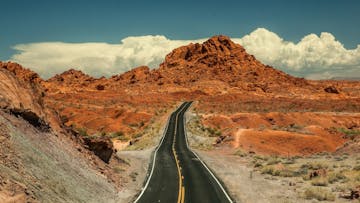
The best parts of Vegas are the parts most visitors never see. Red Rock Canyon is 30 minutes away. Valley of Fire is an hour. The roads in between are why people ride out here.
Find Your Vegas RideBest Day Trips from Las Vegas
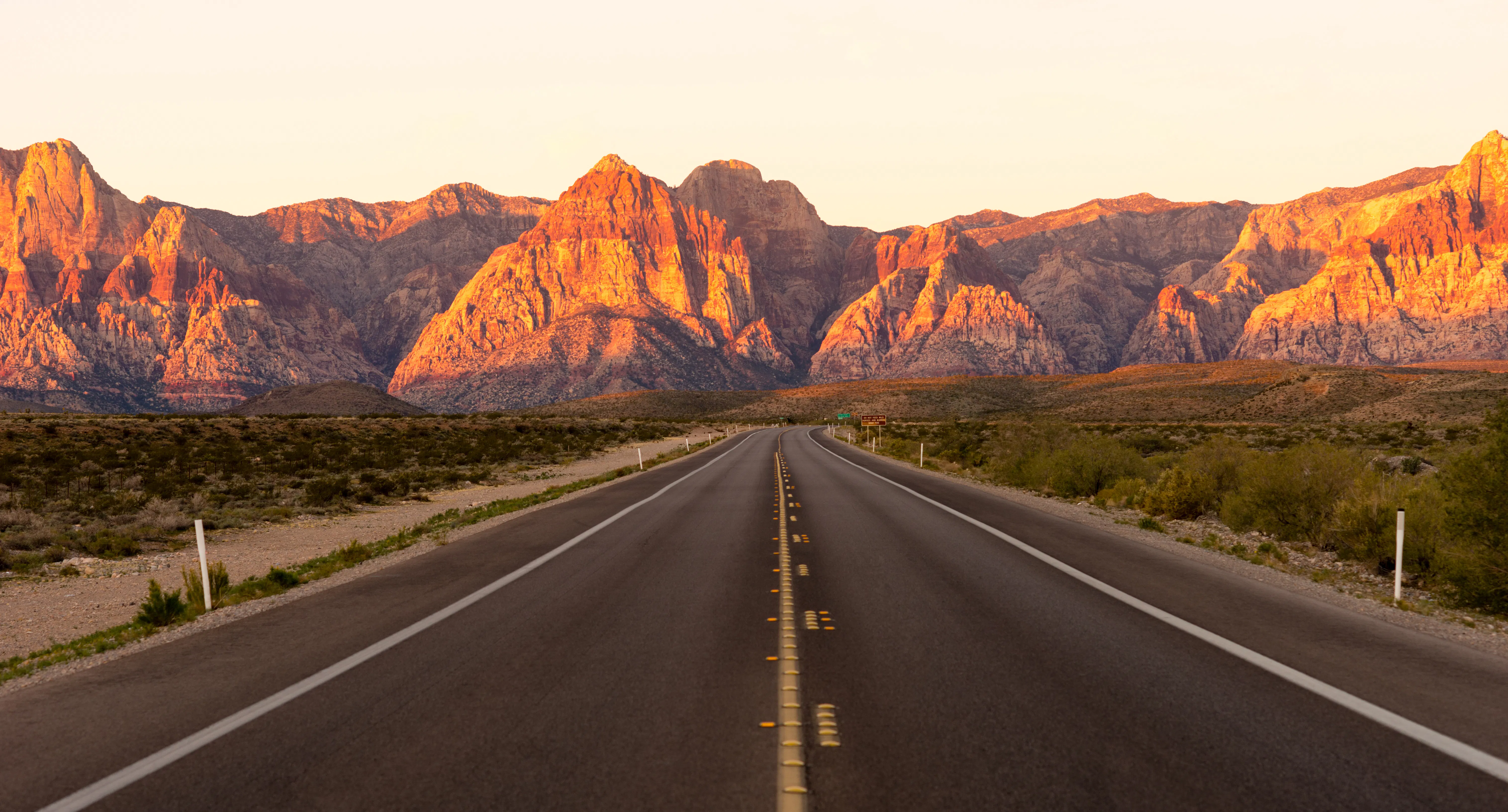
Las Vegas sits at the edge of some of the most interesting landscape in the American Southwest, and most of it is within a two-hour drive. You can reach sandstone canyons, national parks, one of the most famous dams in the world, and the lowest point in North America without ever boarding a plane or booking an overnight stay. The city gets all the attention, but the desert around it is what makes this part of Nevada interesting to explore on a deeper level.
Red Rock Canyon
Red Rock Canyon is about 17 miles west of the Strip, roughly a 30-minute drive, and it's one of the easiest and most rewarding day trips you can take from Las Vegas. The 13-mile one-way Scenic Loop takes you through layered sandstone formations that range from gray limestone to deep red Aztec sandstone, with pull-offs and trailheads spaced along the entire route. The colors shift depending on the time of day and the angle of the sun, and the views are consistently impressive from start to finish. Entry is $15 per vehicle, and the America the Beautiful pass is accepted.
Best Hikes at Red Rock Canyon
- Calico Tanks Trail
- Keystone Thrust Trail
- Ice Box Canyon Trail
- Turtlehead Peak
Valley of Fire State Park
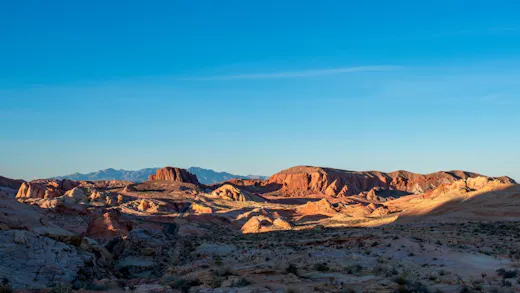
Valley of Fire is about 50 miles northeast of Las Vegas and is Nevada's oldest and largest state park, established in 1935. The park gets its name from the 150-million-year-old red sandstone formations that seem to catch fire when the light hits them at sunrise and sunset. Mouse's Tank Road is the main scenic drive, and it should be taken slowly with plenty of stops. Entry is $10 per vehicle. Get there early, especially in summer when afternoon temperatures can be dangerous.
Hoover Dam
Hoover Dam is about 30 miles southeast of the Strip, roughly a 45-minute drive through the desert on US-93. It was built during the Great Depression by over 21,000 workers and took five years to complete, and today it still generates enough hydroelectric power to serve about 1.3 million people across Nevada, Arizona, and California. You can walk across the dam for free if you park on the Arizona side (the Nevada parking lot charges $10), or take a guided Power Plant Tour that brings you 500 feet below the surface into the dam's interior.
Death Valley National Park
Death Valley is about two hours west of Las Vegas and holds the records for the hottest recorded temperature on Earth (134 degrees in 1913), the driest climate in North America, and the lowest elevation on the continent. Badwater Basin sits 282 feet below sea level, and you can stand there and look up at a sign on the cliff face marking where sea level actually is. The best time to visit is October through March, when temperatures are manageable and the light across the salt flats and sand dunes is at its best.
Grand Canyon West Rim
The West Rim is about 2.5 hours from the Strip and is the closest Grand Canyon access point from Las Vegas, which makes it the most realistic option to see the canyon in a single day. This section is operated by the Hualapai Tribe and includes the Skywalk, a glass-bottomed horseshoe bridge that extends 70 feet past the canyon rim with a 4,000-foot drop below.
It's a completely different experience from the more well-known South Rim, which is over four hours each way and harder to fit into a day trip from Vegas. Our Phoenix to Grand Canyon road trip guide covers the approach from the Arizona side if you're thinking about extending your trip that direction.
See the Phoenix-Side RouteOutdoor Adventures Near Las Vegas
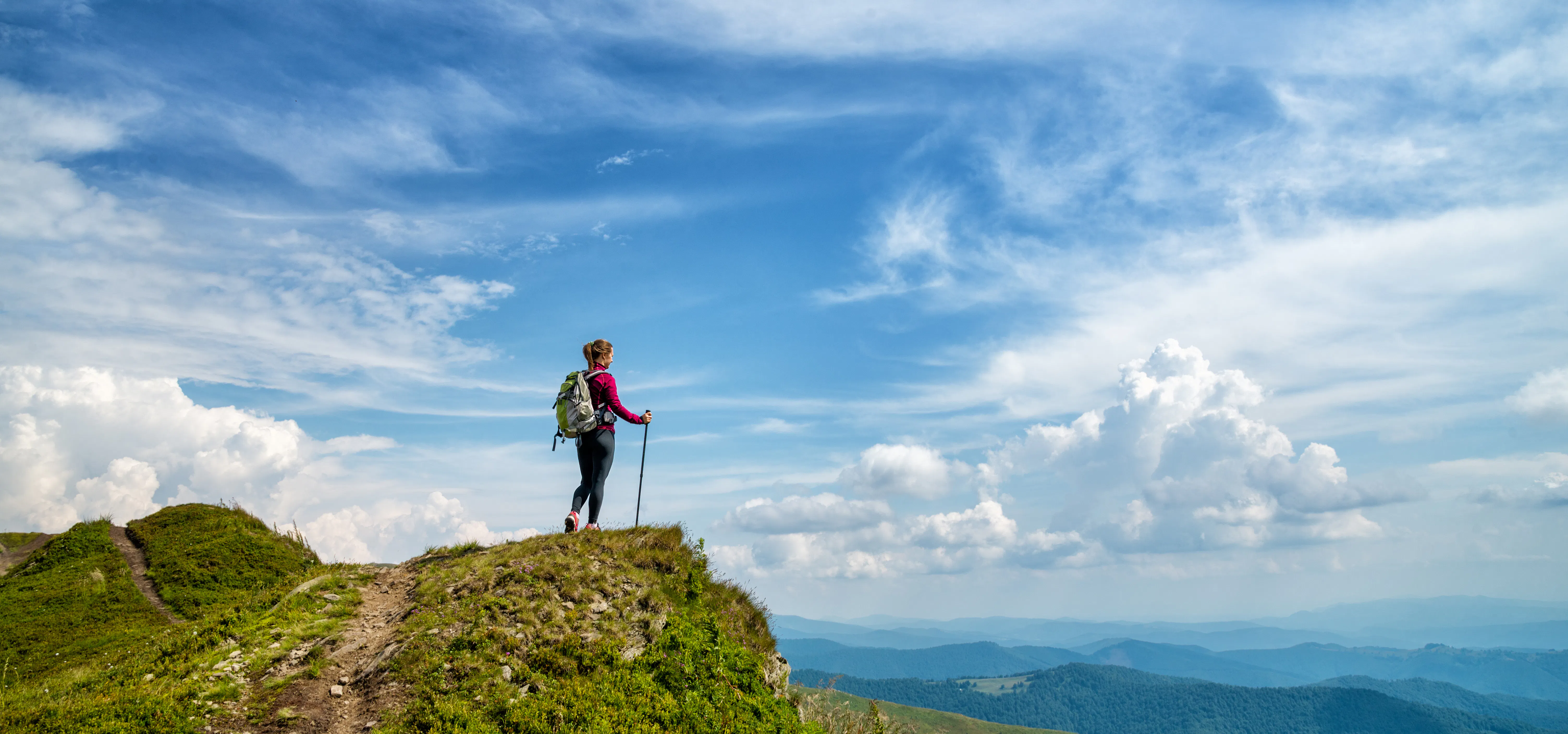
Las Vegas might be best known for what's indoors, but there's a surprising amount of outdoor activity available within a short drive of the city. Red Rock Canyon gets the most attention, and for good reason, but there are trails, guided tours, and water routes spread across the region that cover everything from easy family-friendly walks to full-day adventures in the desert.
Hiking Near Las Vegas
Helicopter Tours
Helicopter tours are one of the most popular activities booked out of Las Vegas, with daily flights over the Strip and out to the Grand Canyon available through two main operators.
- Papillon Helicopter Tours: Strip flyovers and Grand Canyon flights, including landing tours at the bottom of the canyon.
- Maverick Helicopters: Similar Grand Canyon and Strip flights, plus sunset options. One of the largest operators in the area.
Water and Desert Activities
- Black Canyon Kayaking: A guided paddle along the Colorado River below Hoover Dam, with access to natural hot springs tucked into the canyon walls along the route. Half-day and full-day options available.
- Cowboy Trail Rides: 90-minute guided horseback rides through the desert just outside Red Rock Canyon. No experience required.
- Desert ATV and off-road tours from several operators near the Strip, with options ranging from one hour to half-day excursions through the Mojave Desert.
Adventure motorcycles, or ADV bikes, are purpose-built for mixed terrain and long-distance desert riding. If you're curious about what makes them different from standard street bikes and why they've become so popular for this kind of riding, our guide on how ADV motorcycles are taking over the industry breaks it down.
Why ADV for the DesertGetting Around Las Vegas
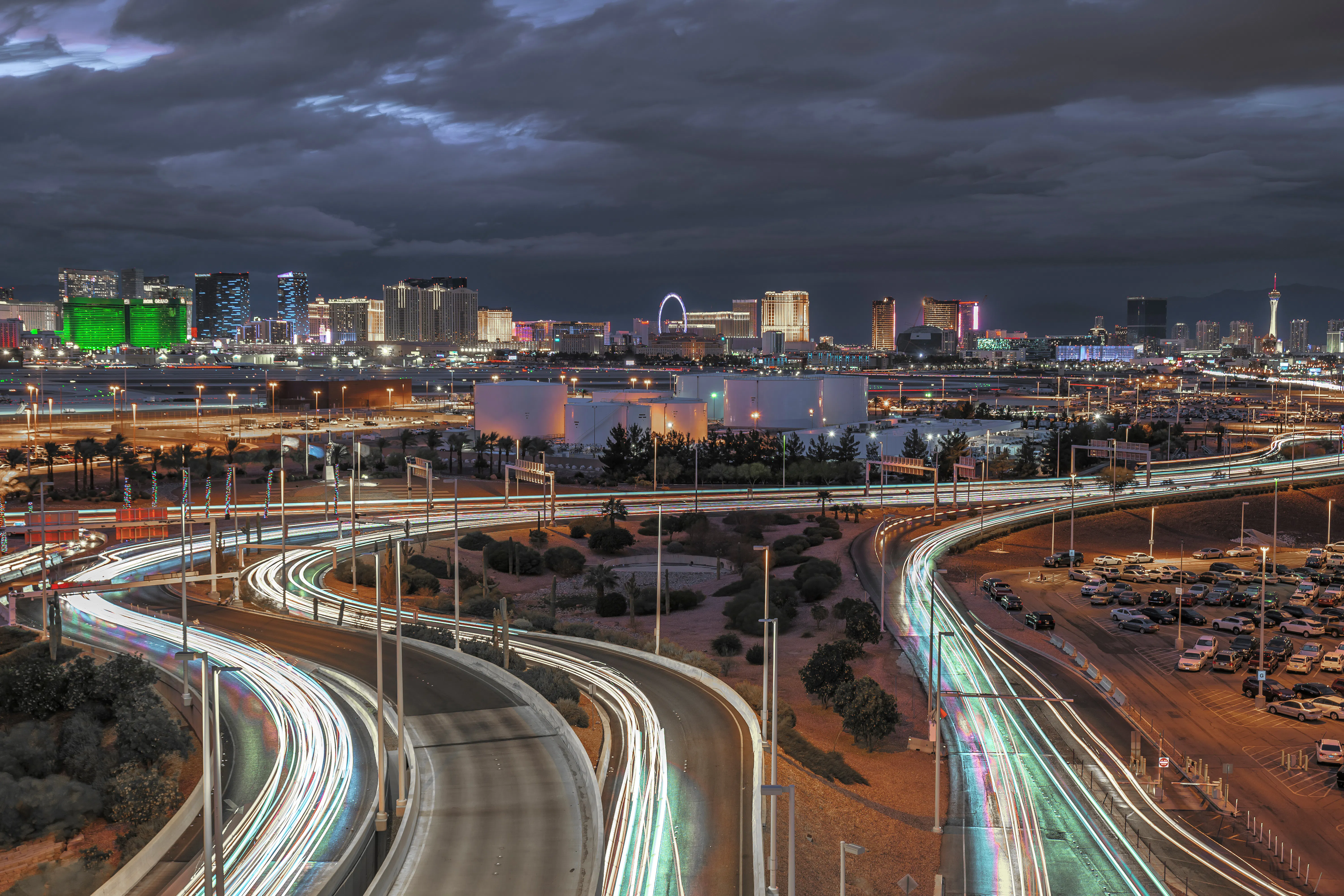
The Strip is walkable, but Las Vegas is a spread-out city, and getting to restaurants on Spring Mountain Road, downtown attractions on Fremont Street, or any of the day trip destinations in this guide takes some form of wheels. Here's what your options look like.
- MonorailCovers the east side of the Strip between MGM Grand and SAHARA. It's helpful if your hotel is on the route, but it doesn't connect to downtown or anywhere off the Strip.
- Free TramsThree systems connect clusters of hotels: Aria Express, Mandalay Bay Tram, and the Mirage-Treasure Island tram. Useful for short hops between neighboring resorts.
- Rideshare (Uber/Lyft)Available everywhere, but every resort has its own designated pickup zone and they're not always easy to find. Ask at the front desk to save yourself time.
- Car RentalThe best option if you're planning any day trips. The rental car center is off-site from the airport with a shuttle connection. Parking on the Strip runs $15 to $25/night at most resorts.
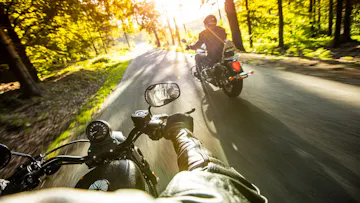
- MotorcycleLower daily cost than a car, easier to park, and a much better way to experience the desert roads and scenic loops outside the city.
Seeing the Desert by Motorcycle with Riders Share
If you've never ridden through open desert on two wheels, Las Vegas is one of the best places in the country to try it. The roads outside the city are well-maintained, traffic thins out fast once you leave the metro area, and routes like the Red Rock Canyon Scenic Loop and the road through Valley of Fire were made for riding. At Riders Share, we offer the largest peer-to-peer selection of motorcycle rentals in Las Vegas, with bikes available from local owners across the metro area.
What's Available in Las Vegas
- Cruisers, sport bikes, adventure bikes, and touring motorcycles
- 15+ brands including Harley-Davidson, BMW, Ducati, Honda, and Yamaha
- Rentals starting at around $30/day
- Pickup from local owners, with many offering hotel or airport delivery
- 24/7 roadside assistance and coverage up to $1,000,000 in liability protection
Riding the Red Rock Canyon Scenic Loop
The 13-mile one-way loop at Red Rock Canyon is our top recommendation for visitors. It's well-paved, one-way traffic only, and winds through towering sandstone formations with pull-offs at every viewpoint. The ride is about 30 minutes from the Strip with no highway riding required, so it works well even for riders who are newer to motorcycles or haven't ridden on open desert roads before. Budget about an hour and a half for the full loop with stops for photos.
If you're newer to riding, our guide to beginner-friendly motorcycle tours in the U.S. includes a Las Vegas section, and our list of the 10 best self-guided motorcycle tours in the U.S. has more route ideas across the country.
Rental Costs and More Resources
Tips for Desert Riding
Riding in the desert is different from riding in the city or in green, temperate areas, and a few things are useful to know before you head out.
- Hydrate more than you think. The dry desert air dehydrates you faster than humid climates, and you may not notice until it's already affecting your concentration. Carry water with you.
- Fill up before you leave the city. Gas stations thin out fast once you're past the Las Vegas metro area, especially heading toward Valley of Fire and Death Valley.
- Start early in the morning. The best light for photos is before 10 AM, the temperatures are cooler, and you'll beat the crowds at popular stops like Red Rock Canyon and Valley of Fire.
- Wear full gear even on warm days. Desert roads can have sand, gravel, and wildlife crossings. Our motorcycle protective gear guide covers what to wear and what to look for.
Start Planning Your Las Vegas Trip
There's a reason people keep coming back to this city. The Strip changes every year, the food scene on Spring Mountain Road keeps growing, and the surrounding desert has enough trails, canyons, and open roads to fill more trips than you can count. Our best advice is to spend time outside the resorts, try the restaurants the tourists haven't found yet, and give the desert the attention it deserves.
Ride the Loop, Skip the Cab Line
A motorcycle gives you the desert routes, the off-Strip restaurants, and the day trips, all without a $25 resort parking fee. Local owners deliver to most hotels and Harry Reid Airport.
Pick Up Your Vegas RideThe Riders Share Blog
Nationwide Motorcycle Rentals

Mon - Fri: 8-8 CT
Weekends: 9-8 CT
