How German Travelers Can Get an International Motorcycle Driving Permit in the USA
Apr 22, 2025
Tags:germanyguideinternationalusarentals
Did you know that the United States is home to over 4 million miles of roads, more than any other country in the world? That’s a lot of ground to cover and a lot of open space to explore on two wheels. If you’re a motorcycle rider from Germany dreaming of riding through the deserts of Arizona, the coast of California, or the backroads of Texas, there’s one thing you’ll need before you can get started: the right permit. In this blog, we’ll walk you through how German travelers can get an international motorcycle driving permit to ride legally in the USA. This guide is not intended as legal advice applicable to all situations.
What German Riders Need to Ride a Motorcycle in the U.S.
If you’re planning to ride a motorcycle in the U.S. during your trip, there are a few specific things you’ll need to have. These include legal documents, identification, and basic safety requirements that make it possible to ride without running into problems along the way:
- A valid German motorcycle license
- An International Driving Permit (IDP)
- A valid passport
- Motorcycle insurance that’s valid in the U.S.
- A DOT-approved helmet (where required)
- A street-legal motorcycle with registration and license plates
To legally ride in the U.S., you’ll need to carry your German motorcycle license along with an International Driving Permit, which serves as an official translation of your license and helps law enforcement understand your credentials if you're ever asked to present them. You should also keep your passport with you at all times, since it acts as your primary form of identification while you're in the country. Beyond proper documentation, your motorcycle must be insured under a policy that meets U.S. requirements, whether you're riding your own bike or borrowing one during your visit.
When it comes to safety, helmet laws differ by state, but wearing a DOT-approved helmet is always a good idea, no matter where you're riding. You should also make sure the bike you're using is fully street-legal, which means it needs to be registered, have a visible license plate, and meet all the necessary standards for use on public roads.
Is a German Motorcycle License Enough in the United States?
A valid German motorcycle license is required, but in most cases, it’s not enough on its own. Many U.S. states expect visiting riders to carry additional documentation. If you don’t have it, you could be limited on where and how you’re allowed to ride.
What Happens If You Still Have a Pink or Grey German License?
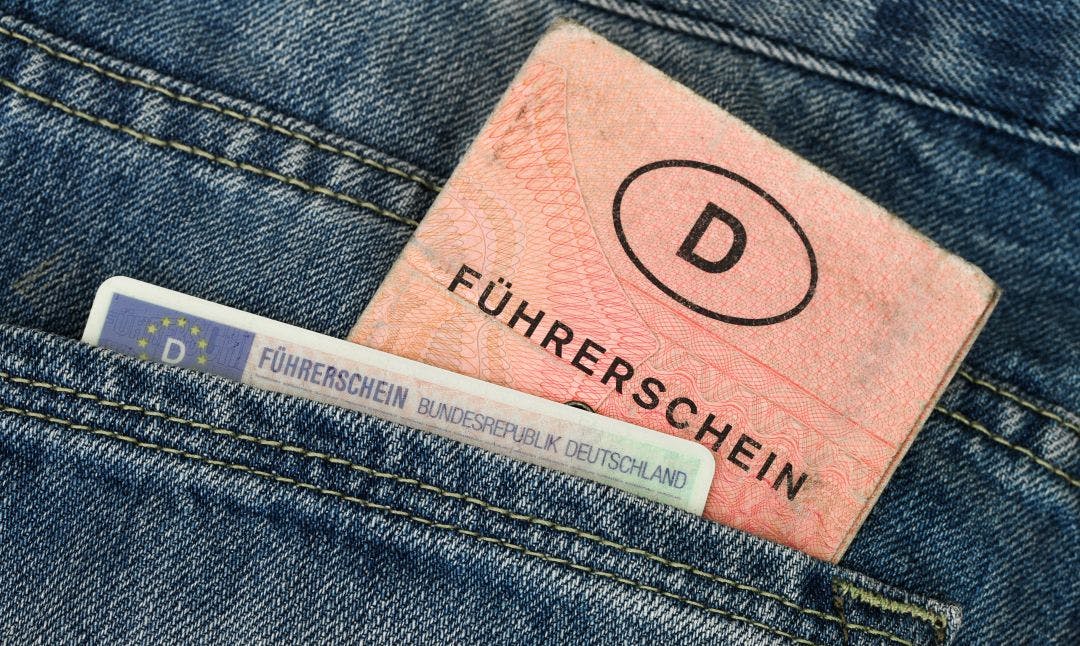
If you're still using the older pink or grey German motorcycle license, it may not be recognized in parts of the U.S. These versions are harder for U.S. officials to read, especially since they don’t follow the newer standardized format. Even though they’re valid in Germany, they can slow things down during traffic stops or ID checks, and in some cases, may not be accepted at all.
To avoid issues, it’s strongly recommended to exchange your old license for the current EU card-style version before your trip. The updated format is easier to verify and is more commonly recognized when paired with the other documents you'll need while riding in the U.S. Taking care of this before you travel can help you avoid unnecessary headaches once you're on the road.
What's an International Motorcycle Driving Permit (IDP)?
An International Motorcycle Driving Permit, or IDP, is a travel document that supports your existing motorcycle license. It doesn’t replace your license but works alongside it by translating your riding credentials into multiple languages. This makes it easier for authorities in other countries to quickly understand what you’re legally allowed to operate. For travelers, it acts as a universally recognized way to show that you’re qualified to ride, no matter where you're visiting.
Why Does it Matter?
The IDP helps eliminate confusion when you're asked to show proof of your riding eligibility. It reduces the chance of miscommunication or delays if you're stopped by law enforcement or need to show documentation. In a country like the U.S., where each state may handle foreign licenses differently, having an IDP can prevent issues and give you peace of mind while you're on the road. It’s a small document, but it can play a big role in making sure you're riding legally and without complications.
How to Obtain an IDP in Germany
At this point, you already know that an IDP is something you’ll need to ride legally in the U.S., but knowing how to get it is just as important. The good news is that the process in Germany is pretty straightforward, and you won’t need to jump through too many hoops to get it done. Here’s what you’ll need to bring with you when applying:
- Valid EU driving license (plastic card)
- ID or passport
- Biometric passport photo
- Completed application form
Everything gets submitted through your local Führerscheinstelle (driver’s license office), which handles IDP requests. Most offices accept walk-ins, but some may require an appointment, especially in larger cities. Depending on the location, you might receive your IDP on the same day, or you may need to wait a few business days for processing.
Which Version of the IDP Do You Need for the U.S.?
Germany issues two different types of IDPs, but only one is valid for use in the United States. When you apply, make sure to specifically request the version based on the 1949 Geneva Convention. The other version, based on the 1968 Vienna Convention, is not accepted in the U.S., even though it’s valid in many other countries.
This small detail matters. If you accidentally request the wrong one, your permit could be rejected during a traffic stop or license check, and by that point, fixing the mistake isn’t so easy. When filling out the application or speaking to the staff at the licensing office, be clear that your travel plans include the United States, and they’ll know which version to issue.
How Much Does It Cost to Get an IDP in Germany?
The cost of getting an IDP in Germany is fairly low. Most Führerscheinstellen charge between 15 and 20 euros, though the fee can vary slightly depending on the region. While the process is quick, it’s still worth checking with your local office to confirm the exact cost and accepted payment methods before you go.
How Long Does a German-Issued IDP Last?
Once you receive your IDP in Germany, it’s valid for one year from the date it’s issued. That means your travel plans should line up with that timeframe if you want to avoid applying again. If you're planning multiple trips within the year, you can use the same permit, as long as it’s still valid when you're riding. Just keep in mind that once it expires, you’ll need to go through the application process again to get a new one.
U.S. Motorcycle Riding Laws
Riding a motorcycle in the U.S. is a different experience from riding in Germany, and that includes the laws. Each state has its own rules, which means things like helmets, signaling, and even where you can ride might change depending on where you are. Here are a few key laws to keep in mind:
- Helmet Laws: Some states require all riders to wear helmets, no matter their age or experience. Others only require helmets for riders under a certain age, and a few states don’t mandate them at all. Still, wearing a DOT-approved helmet is strongly recommended, even in states where it’s optional.

- Minimum Age to Ride: In most states, the minimum age to operate a motorcycle is between 16 and 18. If you're riding as a visitor, your valid license and IDP will typically cover you, but it's still smart to double-check the age rules in the states you'll be riding through.
- Lane Splitting: Lane splitting, meaning riding between lanes of slow-moving or stopped traffic, is only legal in California. In every other state, it’s either illegal or not clearly addressed, which can lead to fines or unsafe situations if you assume it's allowed.
- Use of Hand Signals: Most bikes in the U.S. have working turn signals, but hand signals are still expected if your lights aren’t working or if it’s hard for other drivers to see them. It’s a good habit to know the basic signals and use them when needed.
- Headlight Use: Many states require motorcycle headlights to be on at all times, even during the day. It’s meant to increase visibility and reduce accidents, so check your bike’s settings and make sure your lights are on when riding.
- Passenger Rules: If someone’s riding with you, the bike needs to have a second seat and a place for them to rest their feet. Some states also have minimum age limits for passengers, so that’s worth checking if you’re planning to ride two-up.
What German Riders Should Know About Speed Limits in the U.S.
If you’re used to the Autobahn, riding in the U.S. will feel like a big change. There’s no such thing as unlimited speed here. Every road has a limit, and those limits are taken seriously. Highway speeds usually sit around 65 to 75 mph, which is about 105 to 120 km/h. Some remote areas may allow a little more, but that’s about as fast as it gets.
In cities, suburbs, and small towns, things slow down even more. Speed limits in these areas often drop to 25 or 35 mph, which is roughly 40 to 55 km/h. These lower limits are often enforced with speed cameras, and it's not uncommon to see local police watching for drivers going even slightly over. It’s also worth noting that speed limits can change suddenly, especially near construction zones, schools, or sharp turns.
Discover the Best U.S. Motorcycle Routes
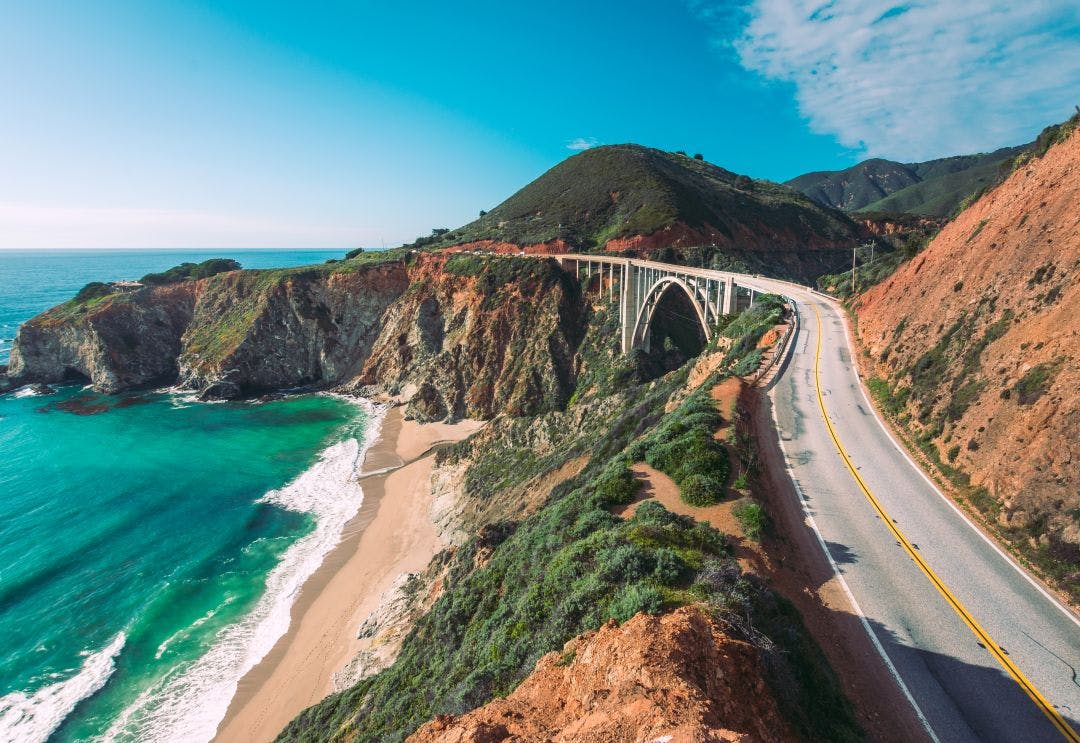
From coast to coast, the U.S. has plenty of well-known roads that offer the best scenery, elevation changes, and pure riding fun. If you’re mapping out your trip, these are a few routes that come up again and again for good reason:
Blue Ridge Parkway – North Carolina to Virginia: A calm, scenic ride through the Appalachian Mountains with wide views and smooth pavement the whole way.
Going-to-the-Sun Road – Montana: This narrow, high-elevation road cuts through Glacier National Park. It’s only open part of the year, but the scenery makes it worth the timing.
Pacific Coast Highway – California: A coastal route with ocean views, open stretches, and plenty of places to stop and take it all in.
Tail of the Dragon – Tennessee to North Carolina: Known for its 318 curves in 11 miles, this one is all about focus, quick turns, and fun handling.
Click the button below to take a look at more top routes across the U.S. We’ve put together guides, maps, and helpful info to make your planning easier.
Motorcycle Rentals in the USA
Once your license, IDP, and paperwork are in place, all that’s left is finding the right bike for your trip. With motorcycle rentals in the USA through Riders Share, you can choose from hundreds of options in every state. We offer bikes from over 25 brands, giving you the flexibility to ride something familiar or try something new. It’s a convenient way to start your journey without bringing your own motorcycle from Germany. From national parks to coastal routes, Riders Share helps you get out there and ride with confidence.

Planning a Road Trip? Touring Motorcycles Are Built for the Long Ride
If you're thinking about covering serious distance while you're in the U.S., a touring motorcycle is one of the best choices you can make. These bikes are built with comfort in mind and designed to handle long hours on the road. With features like larger fuel tanks, wind protection, comfortable seating, and storage space for your gear, they’re ideal for cross-state or even cross-country travel.
Riders Share offers a wide selection of touring motorcycle rentals to match different preferences and experience levels. If a long ride is part of your plan, this is the kind of bike you’ll want under you.
- Best Harley Touring Bikes for Your Next Ride
- The Best Indian Touring Motorcycles- Models & Prices
- Best BMW Touring Motorcycles

Prefer Familiar Brands? You Can Rent a BMW Motorcycle with Riders Share!
If you're most comfortable on a BMW, you're in luck. Riders Share offers a wide range of BMW motorcycle rentals across the U.S., so you can stick with a brand you know and trust while exploring new terrain. From sport-touring models to adventure-ready bikes, there’s a BMW for every kind of ride.
The Right Prep Makes Riding in the U.S. Easier
Getting ready to ride in another country takes a little extra planning, but it’s time well spent. With the right documents, a clear understanding of local laws, and a reliable motorcycle ready to go, you’ll be able to focus on what really matters: enjoying the ride. Some preparation before you leave Germany can make your time on the road in the U.S. smoother, safer, and a lot more rewarding.
Related Articles
Mon - Fri: 8-8 CT
Weekends: 9-8 CT
