Your Guide to Motorcycle Laws in Florida
Feb 25, 2025
Tags:floridaflguidelaws
So, you’re getting ready to ride in Florida: the sun’s out, the weather’s warm, and it’s a great day to be on a bike. But before you take off, do you know the rules? Florida motorcycle laws cover everything from helmet requirements to licensing and insurance, and knowing them ahead of time can help you avoid fines or other surprises.
Maybe you’re wondering if you need a special endorsement on your license or if helmets are required. These are common questions, especially for visitors or new riders in the state. The good news? Florida’s motorcycle laws are pretty straightforward, but there are a few key things to keep in mind before you get going. Below, we’ll break down the most important laws so you know what to expect.
Do Motorcycles Have to Follow the Same Traffic Laws as Cars?

Yes, in Florida, motorcycles have to follow the same traffic laws as cars. That means stopping at red lights and stop signs, obeying speed limits, using turn signals, and following all right-of-way rules just like any other vehicle on the road.
What is Required to Ride a Motorcycle in Florida?
Before getting on a bike, it’s important to understand the motorcycle laws in Florida to make sure you have everything you need. Along with having the right license, helmet, and insurance, there are a few other requirements riders should know about. Florida takes the safety of their riders seriously, so many laws are put in place specifically to protect riders.
Florida law requires motorcycles to have specific safety features, including:
- Working headlights
- Working taillights
- Functioning turn signals
- At least one rearview mirror
- A proper muffler since excessively loud exhaust systems are not allowed
Motorcycle Licensing in Florida
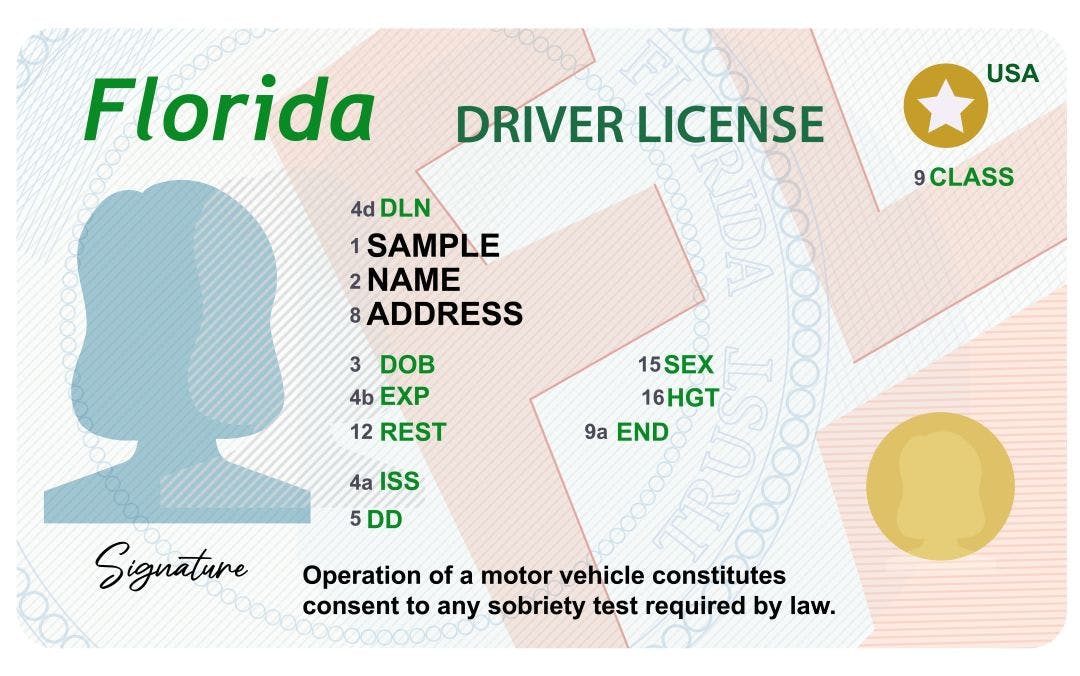
If you want to ride a motorcycle in Florida, you’ll need either a motorcycle endorsement on your driver’s license or a motorcycle-only license. To get an endorsement, you must be at least 16 years old, have a valid Florida driver’s license, and complete the Basic Rider Course (BRC) approved by the Florida DMV. Once you pass the course, you’ll need to visit a DMV or tax collector’s office to add the endorsement to your license.
If you don’t have a regular driver’s license and only plan to ride motorcycles, you can apply for a motorcycle-only license instead. This requires passing the written knowledge test in addition to the Basic Rider Course. Florida does not require a road test for motorcycle licensing, so once you complete these steps, you’re all set to ride legally.
Florida Helmet Laws
Florida’s helmet laws depend on a few factors, mainly your age and insurance coverage. If you’re under 21, you have to wear a helmet—no exceptions. But if you’re 21 or older, you can legally ride without one as long as you have at least $10,000 in medical insurance coverage for motorcycle-related injuries.
Even though helmets aren’t required for every rider, they’re still highly recommended for safety. If you do wear one, Florida law requires it to meet DOT (Department of Transportation) standards.

Florida Motorcycle Insurance Requirements
As mentioned earlier, if you’re 21 or older and want to ride without a helmet, you need at least $10,000 in medical insurance coverage for motorcycle-related injuries. But beyond that, Florida’s motorcycle insurance rules work a little differently than car insurance.
Unlike with cars, Florida does not require motorcycle owners to carry insurance when registering a bike. However, if you're involved in an accident and found at fault, you could be financially responsible for injuries or damages. To protect yourself, many riders choose to carry coverage anyway. Here are some common types of motorcycle insurance in Florida:
- Bodily Injury Liability: Covers medical expenses for others if you cause an accident.
- Property Damage Liability: Pays for damage to another person’s vehicle or property.
- Uninsured/Underinsured Motorist Coverage: Helps if you’re in an accident with a driver who doesn’t have enough insurance.
- Comprehensive & Collision Coverage: Covers repairs or replacement if your bike is stolen or damaged.
Passenger Riding in Florida
If you’re planning to ride with a passenger in Florida, there are a few rules to keep in mind. First, your motorcycle must be designed for two people. That means it needs a passenger seat and footpegs—riding with someone on the back of a single-seat bike isn’t allowed.
Passengers aren’t required to wear a helmet if they’re 21 or older and the rider meets Florida’s insurance requirements, although we always recommend that any and everyone on a motorcycle wears one.
No Windshield on Your Motorcycle? You’ll Need Protective Gear.
If your motorcycle doesn’t have a windshield, Florida law requires you to wear protective eyewear while riding. This applies to both drivers and passengers, no matter their age. The eyewear must be shatterproof to protect your eyes from debris, wind, and insects while on the road.
Is Lane Splitting Legal in Florida?
No, lane splitting is illegal in Florida. This means you can’t ride between lanes of slow-moving or stopped traffic to pass cars. Even if traffic is backed up, riding between vehicles is against the law and can result in a ticket.
Some riders think lane splitting helps with traffic flow, but Florida considers it unsafe. Since drivers don’t always expect motorcycles to move between lanes, it increases the risk of accidents. Staying in your lane is the safest and legal way to ride in Florida.
What about Lane Filtering?
Lane filtering, where motorcycles move to the front of traffic at a stoplight, is also not legal in Florida. Even though some states allow it, Florida law treats motorcycles the same as cars when it comes to traffic rules. If you're stopped in traffic, it’s best to stay in your lane and wait for the light to change like any other vehicle.
Rent a Motorcycle in Florida with Riders Share
Now that you know the rules, you’re ready to ride. Whether you’re visiting or just looking to try a different bike, Riders Share has motorcycle rentals in Miami, Orlando, Fort Lauderdale, Tampa and more! You can even filter your search to find rentals that come with protective gear, so you have everything you need to stay legal and safe on the road. With the largest selection of motorcycle rentals in Florida, Riders Share has options in all major cities across the state. No matter where you're headed, you’ll find a ride that fits your style.

Related Articles
Mon - Fri: 8-8 CT
Weekends: 9-8 CT
